2011 Tōhoku Earthquake and Tsunami Death Fears Resurface After Powerful 7.5 Japan Earthquake
Fourteen years on, Japan continues to reckon with the human and economic toll of 2011.
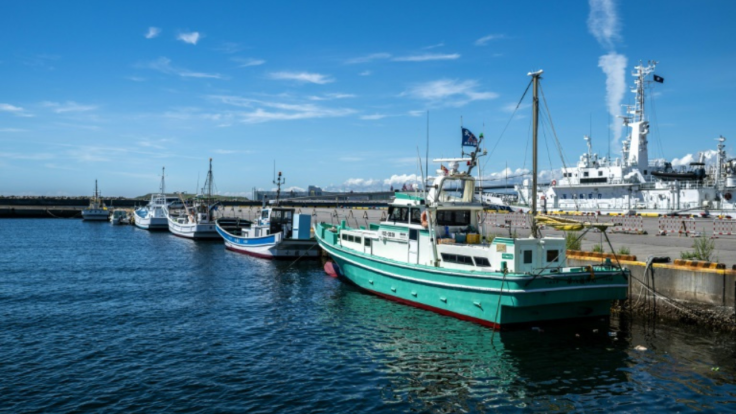
The earthquake struck on 11 March 2011, when a magnitude 9.1 tremor occurred off Japan's northeast coast, generating a tsunami that moved inland with destructive force. Waves reaching 40 metres damaged communities along the Tōhoku shoreline, claiming 19,759 lives and leaving 2,553 missing.
Fourteen years later, amid fresh seismic activity—like the 7.6 quake on 8 December 2025—the 11 March disaster remains a stark reminder of Japan's vulnerability to earthquakes and tsunamis.
The Moment of Impact
At 2:46 p.m. local time on 11 March 2011, the seafloor shifted along a 500-kilometre fault line, displacing large volumes of ocean water. Sirens sounded as residents fled higher ground, but the tsunami arrived within minutes, travelling up rivers and over seawalls.
In Iwate Prefecture, the wave reached 40.5 metres, destroying towns including Rikuzentakata, where more than 1,606 people died.
The quake, the fourth strongest ever recorded, triggered 1,000 aftershocks in the first week. Amid the emergency, reports noted acts of quiet heroism: teachers guiding children to rooftops and neighbours helping the elderly to safety.
The Human Toll
Most victims—over 90 percent—drowned in the surge that inundated 561 square kilometres. In Miyagi Prefecture, Ishinomaki recorded 3,553 deaths, many in schools and hospitals. The Fukushima Daiichi nuclear plant accident displaced 160,000 people, exposing workers to radiation levels that sparked long-term health fears. Studies reported increased thyroid cancers among children, though causation remains debated.
Survivors grappled with trauma. Yoshihito Sasaki, who lost his wife and son, recalled: 'I thought maybe my wife had survived, so when I went to shelters, I asked them if they saw a woman who had lost her mind.'
More than 500,000 evacuees stayed in shelters, facing shortages of food, water, and heating during sub-zero nights. Mental health issues followed as suicide rates spiked in affected areas the following year. Families were separated, with 6,242 injured, many with broken limbs and hypothermia. Communities organised relief, sharing food and supplies.
Japan's official account on X urged remembrance on World Tsunami Awareness Day: 'At @shinsai_densyo, learn the lessons of natural disasters through tsunami history, actual objects from the 2011 Great East Japan Earthquake and Tsunami, and victims' voices.'
Today is World Tsunami Awareness Day. At @shinsai_densyo, learn the lessons of natural disasters through tsunami history, actual objects from the 2011 Great East Japan Earthquake and Tsunami, and victims' voices.#RegionalRevitalization #ResilientJapan pic.twitter.com/8kNoO95c8h
— japan (@japan) November 5, 2025
In October 2025, police identified the remains of a six-year-old girl missing since 2011, offering belated solace to her kin. This is just one example of the continuing search for closure for some families.
Remains of a 6-year-old girl who was swept away in the tsunami that followed the 2011 Great East Japan Earthquake have been found, police said. https://t.co/f5MNPOkXqA
— The Japan News (@The_Japan_News) October 11, 2025
Economic Devastation and Recovery
Damages were estimated at £176 billion ($235 billion), making it the costliest natural disaster on record. Fisheries collapsed, with 28,000 boats destroyed, and agriculture lost 2.3 million hectares to salination.
Global supply chains were disrupted —Toyota halted production, resulting in billions in lost output. Reconstruction involved £300 billion ($400 billion) in seawalls and elevated towns, though sceptics question their efficacy against future megaquakes. By 2025, tourism revived in Tōhoku, with coastal trails attracting visitors, but rural areas continue to face challenges, particularly ageing populations.
Japan's response included innovations in early warning systems, credited with saving lives during the 2025 quake. On X, one user wrote: 'We must learn from history. Also keep in mind that in 2011, the tsunamis was told to be 3m. But the highest waves were 9m. Let us learn from our past.'
We must learn from history.
— 鳴杜水月-Meido Mizuki-🐕🎀🌙 Japanese teacher / 英語教師 (@MeidoMizuki) July 30, 2025
Also keep in mind that in 2011, the tsunamis was told to be 3m. But the highest waves were 9m.
Let us learn from our past.
If nothing happens, then great. But once something happens, there is no going back.
Seismic vulnerabilities persist, with the Nankai Trough identified as a potential source of future large earthquakes.
© Copyright IBTimes 2026. All rights reserved.
- MOST POPULAR IN World