700,000 Seniors Start GLP-1 Weight-Loss Drugs — but US Taxpayers Cover $195 Per Patient
Zepbound and Foundayo lead the market as Lilly captures 7 out of 10 new Medicare patients

About 700,000 American seniors have started on GLP-1 weight-loss drugs since Medicare began covering them on 1 July, Eli Lilly chief executive David Ricks said on Monday, and roughly 70% of those new patients are taking Lilly medicines.
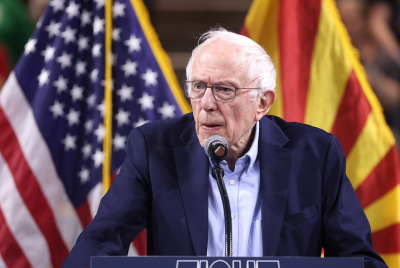
Ricks, who chairs and runs the Indianapolis drugmaker, gave the figures in an interview with CNBC on 21 September, the clearest read yet on take-up. He called the rollout 'very encouraging' and said it was pulling in people who had never taken the medicines, not just shifting existing users onto a cheaper deal. 'It's very market expansionary, which is what we had hoped,' he said.
Access comes through a temporary federal scheme called the Medicare GLP-1 Bridge. Seniors who enrol pay a copay of $50 (£37) a month, and the manufacturers supply the drugs at a net price of $245 (£183) a month. That leaves about $195 (£146) per patient each month for Medicare, and therefore taxpayers, to cover. The programme opened on 1 July and is set to run to the end of 2027.
Medicare, the federal insurance scheme for people aged 65 and over or with disabilities, covers roughly 66 million people. Lilly has said as many as 20 million of them could qualify under Bridge.
What Seniors Pay, and What Taxpayers Cover
The coverage marks a sharp break with decades of policy. Medicare had been barred by law from paying for weight-loss medicines since 2003, and the list prices of the injections, roughly $1,000 to $1,350 (£750 to £1,010) a month, had kept them out of reach for many. That changed after the Trump administration struck agreements with Lilly and Novo Nordisk in November 2025 to cut GLP-1 prices across Medicare, Medicaid, and the government's direct-to-consumer website. Bridge is the voluntary demonstration that puts those agreements into practice, sidestepping the 2003 ban rather than repealing it.
How much all of this will cost the public purse is still unclear. The Centers for Medicare and Medicaid Services has not released its own estimate. The health research group KFF has projected that, depending on take-up, Bridge could cost between $1.3B (£970M) and $10B (£7.5B) over its 18-month life. A Congressional Budget Office analysis of broader obesity-drug coverage put the net cost at about $35B (£26B) over the decade to 2034, once health savings are counted.
Ricks said he had not heard of major problems with the launch and credited the agency for it, saying it 'did a nice job rolling this out.'
Zepbound Leads, Foundayo Gains
The early figures are a commercial win for Lilly. 'We're capturing about seven out of 10 of those new patients, and a lot are still on Zepbound,' Ricks said, pointing to the company's blockbuster weekly injection.
Prescribing habits help explain the split. Ricks said doctors were still steering the heaviest patients towards the injection. 'I think we still see physicians focusing on those with the most body weight and the most complications. That's where Zepbound plays a big role,' he said.
The company's oral pill Foundayo, cleared by US regulators on 1 April, is winning over patients who would rather take a tablet than a needle. A third of those starting an oral GLP-1 are now choosing it, Ricks said, describing the pill as a fit for people who 'maybe just need to lose 25 to 30 pounds.' Foundayo booked $98M (£73M) in sales in the second quarter, its first full period on the market, and Lilly said in August that it held about 61% of the overall GLP-1 market over the same period.
The interview coincided with Lilly breaking ground on a $6.5B (£4.9B) plant in Houston, Texas, part of a wider push to make more of its medicines on US soil. The site will produce the active ingredient for Foundayo.
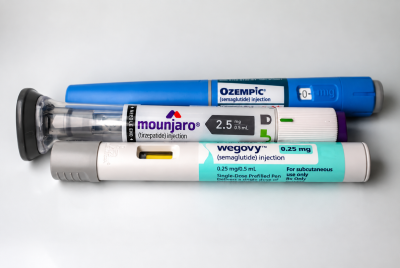
Rival Novo Nordisk, the maker of Wegovy and Ozempic, has felt the strain. Shares in the Danish firm fell more than 7% around the same time, after its long-term targets failed to reassure investors on its footing in the market. What happens to the seniors on Bridge once the programme expires at the end of 2027 has not been decided.
© Copyright IBTimes 2026. All rights reserved.
- Recommended For You