

UK's First Weight-Loss Pill Is Finally Here—What Makes the Wegovy Tablet Different From Ozempic?
Demand for GLP-1 weight-loss treatments has grown rapidly in recent years.
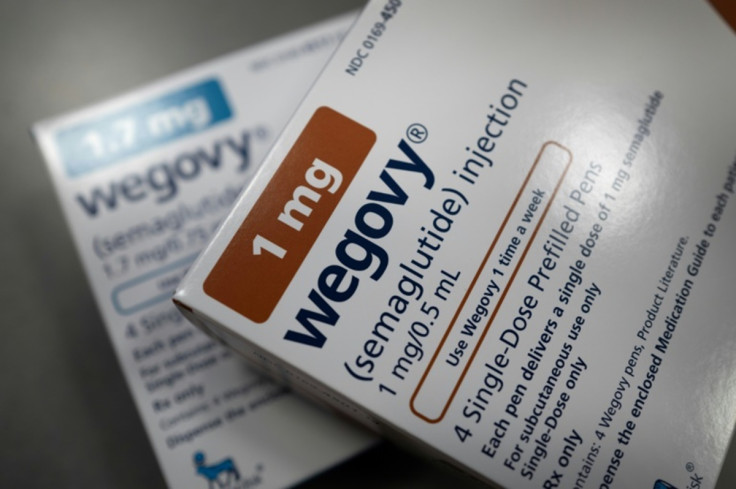
The UK has approved its first weight-loss tablet containing semaglutide, giving patients a needle-free alternative to popular injectable treatments such as Wegovy and Ozempic.
The Medicines and Healthcare products Regulatory Agency (MHRA) authorised the oral version of Wegovy on 11 June, making the UK the first country in Europe to approve this treatment.
Designed for adults living with obesity or weight-related health conditions, the daily tablet uses the same active ingredient as Ozempic and injectable Wegovy but differs in how it is taken, who it is licensed for and how it fits into long-term weight-management treatment.
How Is the Wegovy Pill Different From Ozempic?
The new Wegovy tablet, injectable Wegovy, and Ozempic all contain semaglutide, a GLP-1 receptor agonist that helps reduce appetite, increases feelings of fullness, and slows digestion.
The key difference is their approved use. According to experts, Ozempic is primarily licensed in the UK for people with type 2 diabetes and is administered as a weekly injection. While it has become well known for helping people lose weight, weight management is not its primary licensed indication.
Wegovy, by contrast, is specifically approved for weight loss and weight management. Until now, it has only been available as a weekly injection. The newly approved tablet offers the same underlying treatment in a daily oral form, providing an option for patients who prefer not to use needles.
Another practical difference is administration. While injections are taken once a week, the tablet must be taken every morning on an empty stomach after at least eight hours of fasting, with only a small amount of water. Patients must then wait at least 30 minutes before eating, drinking or taking other medication.
What Do the Trial Results Show?
The MHRA approval was based largely on results from the OASIS clinical trial programme, which studied oral semaglutide in adults with overweight or obesity.
In the OASIS 4 trial, participants taking the highest dose experienced an average weight reduction of around 13.6% after 64 weeks, compared with about 2.2% in the placebo group. Some analyses found average weight loss reached more than 16% among participants who adhered fully to treatment.
Researchers also reported improvements in several health markers linked to obesity, including blood pressure, cholesterol levels and blood sugar control.
The most common side effects were gastrointestinal issues such as nausea, diarrhoea, constipation and vomiting. These side effects were generally consistent with those already associated with injectable GLP-1 medicines.
Who Can Get It and When Will It Be Available?
According to reports, the tablet is approved for adults with a BMI of 30 or above, or those with a BMI between 27 and 30 who have at least one weight-related condition, such as high blood pressure, cardiovascular disease or sleep apnoea.
It is expected to become available through private prescriptions in the coming weeks, although UK pricing has not yet been confirmed. However, injectable Wegovy currently costs between roughly £90 and £300 per month through private providers, depending on dosage and supplier.
The medicine is not yet available on the NHS and would require assessment by the National Institute for Health and Care Excellence (NICE) before wider NHS access could be considered.
Meanwhile, health experts welcomed the approval but stressed that the tablet is not a standalone solution. Like injectable Wegovy, it is intended to be used alongside dietary changes, physical activity and broader weight-management support.
© Copyright IBTimes 2026. All rights reserved.