

What Is GLP-1, and Why Is Everyone Talking About It?
Explore the benefits, usage, and effectiveness of GLP-1 in weight management
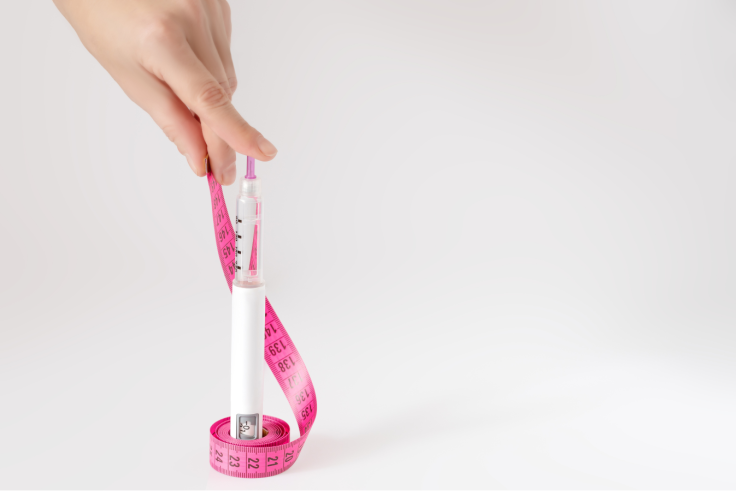
You're not alone if you've been thinking about weight loss medication recently. Whether you've seen Ozempic on the news or heard about weight loss pills from celebrities like Oprah Winfrey, this innovative health trend is sweeping the world. Specifically, there's a lot of talk around GLP-1 - but what is it, and why has it become such a big deal?
We've taken a closer look at what's going on so that you can stay in the loop.
What is GLP-1?
Weight loss treatments like the Wegovy pill and Ozempic (which is primarily a treatment for type 2 diabetes) are forms of GLP-1. This is a naturally occurring hormone we all have, which is produced in the stomach as a key part of the digestive system. GLP-1 is responsible for:
- Communicating with the brain to signal that you're full and prevent overeating.
- Slowing the digestion of food in your stomach to help you stay fuller for longer and absorb nutrients.
- Triggering the release of insulin from the pancreas when your blood sugar levels rise.
- Preventing your liver from releasing too much glucose into your blood.
Through these actions, GLP-1 achieves two main purposes: it keeps your blood sugar levels steady and helps control your appetite.
How is GLP-1 Used For Weight Loss?
GLP-1 can now be taken by injection or pill (more on your options later in this guide). This increases natural levels of the hormone in your body, enhancing those signals of fullness and slowing down your digestion. Essentially, it reduces your appetite so that you eat less without feeling hungry.
Originally, GLP-1 medication was actually developed as a way to treat type 2 diabetes. This is why supplies of medication like Ozempic must remain widely available to those with the disease (an issue in 2023 when the popularity of GLP-1 suddenly surged).
Wegovy (also known as Semaglutide) provides a smart solution to these supply issues. It's a medication that's specifically made for weight loss and doesn't treat type 2 diabetes, making it easier to access without putting crucial medication supplies at risk.
It's also known to be a very effective form of GLP-1, with studies showing it significantly reduces the amount of food eaten by users for sustained weight loss.
Why is GLP-1 So Popular for Weight Loss?
The simple answer is that GLP-1 works. People on the medication often see the pounds just falling off, with an average weight loss of between 8% and 21%. It improves health, curbs cravings, and helps more people steer clear of invasive weight loss surgeries.
GLP-1 medication is pretty simple to use, too, which is a real perk for anyone seeking a more convenient path to better health.
It's important to note that not everyone sees results, though the majority do. One study, for instance, found that out of 1000 people, 375 achieved a 10% weight loss and 318 achieved a 5% weight loss. That's 693 people recording significant results, alongside others not noted who may have seen more minor weight loss of less than 5%.
The transformations of people taking GLP-1 are enough to show just how effective it is. The likes of Meghan Trainor, Oprah Winfrey, and Charles Barkley have all been open about how GLP-1 medication helped them lose weight and improve their health. Barkley, for instance, lost 60lbs in just 6 months for a pretty dramatic transformation.
Weight loss isn't the only benefit of GLP-1, either. Many people see better blood sugar control, lower blood pressure, and improvements in their cholesterol levels. Wegovy, in particular, can reduce the risk of serious cardiovascular issues (such as heart attacks and strokes) by 20% in those with existing health problems.
How Can You Take GLP-1?
There are a couple of options for how you can take GLP-1 for weight loss. The first is an injection, which tends to be the most potent form of the medication, but self-administering it isn't always fun.
If you don't like needles or want a more convenient option, you can choose a GLP-1 oral solution. This comes in the form of a pill, making it a simpler way to start your weight loss journey.
Do You Need a Prescription for GLP-1?
Whether or not you need a prescription for GLP-1 depends on the country you're living in. In the UK and EU, for instance, you'll require a prescription from a registered healthcare professional. In a few countries, like Mexico and Costa Rica, they're available over the counter (OTC).
Regulation of GLP-1 is vital to prevent unnecessary weight loss. Only people who need the medication should be using it, and there are risks of it worsening the symptoms of eating disorders if it goes unregulated.
Is It Worth Taking GLP-1?
Whether GLP-1 is suitable for your health journey depends entirely on your circumstances.
First of all, you need to have excess weight that you want to lose. In the UK, you'll need a BMI of 30 or above to qualify for any GLP-1 medication, unless you have an underlying condition (like type 2 diabetes, sleep apnea, or high blood pressure). Some medications require a higher BMI of 35 or 40+.
Do note that some ethnicities will have different BMI requirements.
You should also think about what has and hasn't worked for you before in terms of weight loss. If you've always struggled with hunger, cravings, and overeating despite putting in real effort, this could be the ideal solution.
It's important to remember, though, that while GLP-1 medications can be very effective, they aren't magic. You need to be willing to put in the work to lose weight. In particular, you should focus on a healthy diet and increasing your physical activity, both of which are going to affect the success of your GLP-1 journey.
While they may sound like (and in many ways are) a shortcut to weight loss, GLP-1 isn't going to be right for everyone. If you're unsure about whether you should take it, speak to a pharmacist for tailored advice.
Are There Side Effects to GLP-1?
GLP-1 medication does come with side effects, and they should always be considered before choosing the right weight loss approach.
Nausea is the most common issue, reported by around half of people taking GLP-1. Other frequently reported side effects include:
- Diarrhea
- Constipation
- Stomach pain
- Fatigue
There are more serious complications that can come from GLP-1, too, some of which can result in hospitalisation. There are risks of pancreatitis, gastroparesis (stomach paralysis), gallbladder disease, and kidney problems, for example, though instances are typically rare.
Final Thoughts
While GLP-1 isn't a one-size-fits-all answer to dramatic weight loss, it is a very viable option for people who struggle to control their appetite. With celebrities showing off their transformations and an increasing wealth of data proving its efficacy, it's no wonder this weight loss medication is getting so much attention.
For more lifestyle insights, read the latest on International Business Times.
© Copyright IBTimes 2026. All rights reserved.