

AI Girlfriends Are Entering Minecraft and Discord, but Could It Be the Answer to Loneliness?
A viral Minecraft creator and an experimental Discord chatbot highlight the growing appeal and uncertainty of artificial affection online
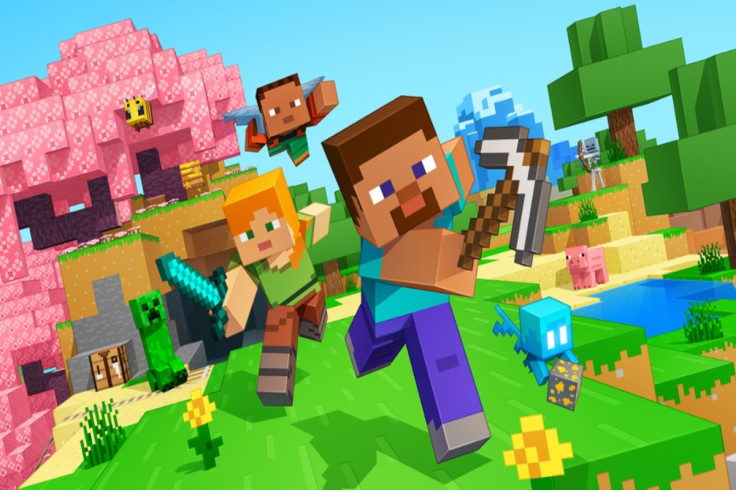
AI companionship is finding an unexpected audience in gaming communities, where virtual interactions are becoming increasingly personal. A TikTok creator known as 'Minecraft Mommy' has gone viral for offering players gaming tips while affectionately calling them 'good boys'.
Meanwhile, a developer has built an AI girlfriend prototype for Discord, bringing artificial companionship into another popular online space. The developments raise a question: could virtual companionship ease loneliness or make users more dependent on artificial affection?
Minecraft 'Mommy' Goes Viral for Giving Players Gaming Tips
A TikTok creator known as Rosie has attracted attention by combining Minecraft tutorials with an affectionate online persona. Her videos explain how to find diamonds and defeat zombies while addressing viewers as 'good boys'.
One diamond-hunting video had attracted 1.1 million views when Dexerto reported on the trend on 20 November 2026. Some viewers embraced the language, with one commenting, 'Why do i feel loved after hearing she is proud?' Others questioned the 'mommy' persona and speculated about AI involvement.
Dexerto noted that the account had previously published AI-generated football content with a male voiceover before switching to Minecraft videos on 11 November. However, this does not establish that Rosie's current content is AI-generated. Her popularity illustrates the appeal of affectionate gaming content, not a confirmed AI girlfriend in Minecraft.
Developer Builds an AI Girlfriend for Discord Users
A developer using the handle @tgu_non shared a demonstration of an AI girlfriend prototype on 19 November. In the roughly 30-second clip, the chatbot responds to a question with a giggle before answering.
The developer described it as an early prototype, with plans to improve its reasoning and make its voice sound more human. Some viewers called the concept 'dystopian', while others asked when it might become available. Unlike the Minecraft creator's videos, this is explicitly an AI companion.
Could AI Girlfriends Help People Deal With Loneliness?
For someone who spends much of their time alone, an always-available chatbot could offer conversation and reassurance without the fear of rejection. It may feel easier to speak openly with a digital companion that is available at any hour and does not judge or interrupt.
Research published in the Journal of Consumer Research in June 2025 found that AI companions could reduce loneliness during interactions. However, the findings do not establish that AI relationships can replace human connections or provide lasting relief. The researchers found that the reductions in loneliness were temporary and did not persist without further interaction.
There are reasons to be cautious. A study published in Psychological Science in April 2026 followed more than 2,000 adults across four Western countries over 12 months. Researchers found that increased social chatbot use predicted greater emotional isolation on a single-item measure. However, chatbot use did not significantly predict a decline in broader social connection. People who felt less socially connected were also more likely to turn to chatbots.
The researchers cautioned that the exploratory findings do not prove chatbot use causes loneliness. They nevertheless raise questions about whether people already feeling isolated might become more reliant on artificial companionship.
Could Virtual Relationships Make Loneliness Worse?
The Minecraft trend relies on a human creator's persona, while the Discord project attempts to reproduce companionship through AI. Neither proves that people are abandoning human relationships. But as artificial responses become more convincing, the line between temporary comfort and emotional dependence could become harder to recognise.
AI girlfriends may reassure people struggling with loneliness, but they cannot guarantee the trust and shared experiences that develop between humans. Whether virtual companionship becomes a source of support or deepens isolation remains an open question.
© Copyright IBTimes 2026. All rights reserved.