

Alex Murdaugh Update: Judge Finds Blood and Shotgun Evidence Errors but Refuses To Drop Charges
Judge Debra McCaslin acknowledged inaccuracies in grand-jury testimony but found enough unchallenged evidence to support the charges against Murdaugh
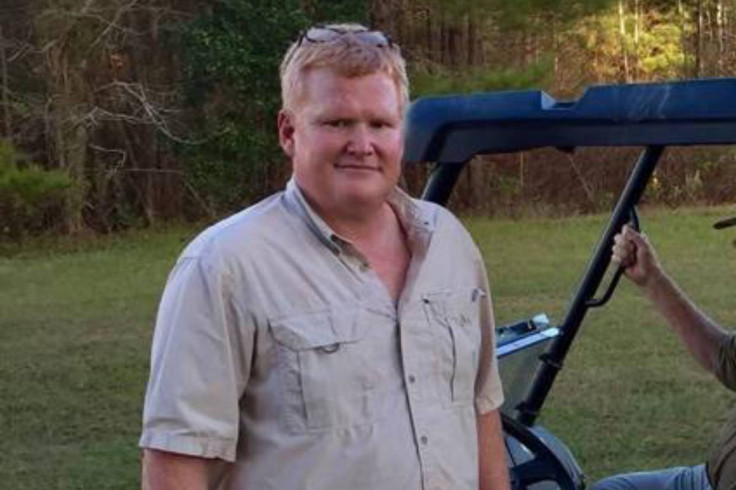
The judge found that other evidence was sufficient to support the charges, leaving the April 2027 retrial on course
A South Carolina judge has refused to dismiss Alex Murdaugh's murder indictments, despite identifying errors in testimony about blood-spatter and shotgun evidence presented to the grand jury.
Circuit Court Judge Debra McCaslin ruled on Friday, 20 November 2026, that the disputed testimony did not establish intentional investigative or prosecutorial misconduct and that other evidence overwhelmingly supported the original charges.
The decision followed a 13 November hearing at which Murdaugh's lawyers accused former South Carolina Law Enforcement Division (SLED) investigator David Owen of misleading the grand jury that indicted him in 2022.
Murdaugh faces a retrial over the 7 June 2021 killings of his wife, Maggie, and younger son, Paul, at the family's Moselle property in Colleton County.
His 2023 murder convictions and life sentence were overturned in May 2026 after the South Carolina Supreme Court found that former Colleton County Clerk of Court Becky Hill had improperly influenced jurors.
Alex Murdaugh Judge Criticises Blood-Spatter Evidence Errors
Defence attorney Jim Griffin argued that Owen gave misleading testimony about blood-spatter evidence involving a white T-shirt Murdaugh wore on the night of the killings.
Owen told grand jurors that a forensic expert had identified multiple particles of blood spatter on the shirt.
However, an earlier SLED laboratory report found no human blood in the tested shirt samples. The report had been addressed to Owen, but the judge found that he had not accounted for it before presenting evidence to the grand jury.
McCaslin criticised the investigator's failure to review the findings.
'Oversights of this nature undermine public confidence in the integrity of the criminal justice system,' she wrote.
The judge nevertheless found that the record did not establish Owen knowingly gave false testimony. She noted that bloodstain-pattern analyst Tom Bevel stood by his later assessment after reviewing photographs and examining the shirt. Bevel also said chemical treatment could have affected the laboratory results.
Prosecutors disputed the defence's suggestion that Owen deliberately misrepresented the evidence. They argued that the investigator had presented information he believed to be accurate at the time.
Murdaugh's defence also challenged Owen's description of shotgun ammunition recovered from the family property.
Owen had told grand jurors that firearms found on the property contained the same combination of buckshot and birdshot used to kill Paul.
However, no recovered shotgun contained that exact combination. Investigators did find ammunition consistent with both types elsewhere on the property, according to the judge's ruling.
McCaslin attributed the discrepancies to confusion or imprecise descriptions and found no evidence of intentional fabrication or prosecutorial misconduct. She also noted that the grand jury proceedings were not recorded or transcribed, making it impossible to establish precisely what Owen told jurors.
Alex Murdaugh Murder Charges Remain Ahead of April Retrial
Despite the disputed testimony, McCaslin concluded that the prosecution had presented sufficient independent evidence to support the original indictments.
'Even if the challenged testimony concerning the blood spatter on the T-shirt and shotgun ammunition were excluded from consideration by the Grand Jury, the remaining unchallenged evidence overwhelmingly established probable cause,' she wrote.
The ruling leaves all four original indictments intact, including two counts of murder and two counts of possessing a weapon during the commission of a violent crime.
Among the evidence cited by the judge was a video recorded on Paul's mobile phone shortly before the killings. The recording captured Alex Murdaugh's voice near the family kennels, placing him with Maggie and Paul minutes before their deaths and contradicting his account of his whereabouts.
The judge also referred to cellphone and other digital timeline evidence, ammunition casings found near Maggie's body and a family rifle of the same calibre that was never recovered.
Murdaugh denies murdering his wife and son. He remains in prison for separate financial crimes after admitting to stealing millions of dollars from clients.
McCaslin said disputes over the forensic findings and Owen's statements could be examined through cross-examination during the retrial.
The proceedings follow the South Carolina Supreme Court's decision on 13 May 2026 to overturn Murdaugh's original murder convictions. The court found that Hill had improperly influenced jurors during the 2023 trial, depriving him of a fair trial.
The ruling ordered a new trial without determining Murdaugh's guilt or innocence.
The retrial is scheduled to begin on 5 April 2027 in Sumter County. Following McCaslin's decision, the South Carolina Attorney General's Office can proceed with the existing indictments rather than seeking new ones from a grand jury.
© Copyright IBTimes 2026. All rights reserved.