Apple Admits It Can No Longer Protect Buyers From Skyrocketing Component Fees Caused by Nvidia and Micron
Budget Neo laptop and high-end Pro models are hit immediately; experts warn a massive hike for the flagship iPhone

Consumers buying new Apple devices could soon be paying significantly more after the tech giant raised prices on several MacBook and iPad models, blaming soaring demand for AI-powered computing. The increase reflects mounting pressure on global supply chains as manufacturers compete for increasingly expensive memory chips, with customers now bearing the cost of the industry's AI-driven transformation.
Apple became the first major player to blink, officially adjusting its retail hardware prices overnight.
AI Boom Forces Apple to Raise Prices
On Thursday, the Cupertino-based tech giant increased the prices of several iPad and MacBook models after admitting that the artificial intelligence sector's massive data centre expansion has made memory and storage components too expensive for the company to continue absorbing the financial hit on behalf of consumers.
While Apple's flagship product, the iPhone, remains untouched by the changes, the entry-level Neo laptop will see its base price climb from $599 (£454.20) to $699 (£530.03). The $100 (£75.83) increase comes just months after the budget-friendly device made its commercial debut.
The price rise demonstrates that even the world's most valuable technology company, backed by sector-leading supplier networks, remains vulnerable to escalating component costs that have clouded the outlook for the broader smartphone and computer markets.
How AI Is Driving Component Costs Higher
Over recent months, component manufacturers such as Micron have shifted their focus towards fulfilling orders for artificial intelligence specialists, including Nvidia. While this strategy has generated record financial returns for memory suppliers, it has severely restricted the hardware available to traditional device manufacturers, leaving them with little choice but to pass those higher costs on to consumers.

'We have never seen a component price increase this much, this quickly,' Apple said in a statement. 'We have shielded our customers from these increases so far, but we have now reached a point where we need to begin raising prices on a number of products, including today's increases for iPad and Mac.'
Which Apple Products Cost More?
Consumers will now pay $200 (£151.65) more for a 512GB MacBook Air, while a 1TB MacBook Pro will cost $300 (£227.48) more. The adjustments also affect Apple's broader ecosystem, driving up retail prices for both HomePod smart speaker models as well as the Apple TV streaming device.
Following the announcement, Apple shares fell nearly 5%, while rival Dell dropped by more than 8%.
JUST IN: Apple $AAPL falls 5% after announcing price hikes, erasing $215 billion from its market cap today. pic.twitter.com/G2iKnse5nK
— Watcher.Guru (@WatcherGuru) June 25, 2026
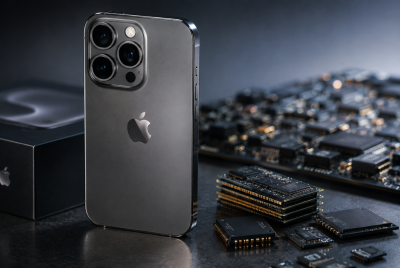
Several market experts noted that Apple's deep supplier relationships have offered some protection, allowing the company to avoid the even steeper price increases introduced by its competitors. Nevertheless, industry analysts predict those supply-chain advantages will eventually fall short, with iPhone prices expected to rise next.
Experts Warn iPhone Price Hikes Are Coming
'The iPhone isn't spared. Its hike is coming,' said Nabila Popal, a senior research director at IDC. 'It was incredibly strategic for Apple to make the price hike announcements prior to the iPhone fall launch, so the headlines at launch is not the price hikes but the value the new phones bring.'

Ram-ageddon Fuels Global Price Surge
According to industry tracker TrendForce, contract prices for Dynamic Random Access Memory (DRAM), a critical component found in nearly all modern technology, soared by as much as 98% during the first quarter of 2026. The research firm expects the upward trend to continue, forecasting a further increase of between 58% and 63% during the current quarter.

Dubbed 'Ram-ageddon' by industry experts, the price explosion stems from a massive surge in artificial intelligence data centre construction. The expansion has seen major firms, including Nvidia, secure extensive supply agreements with memory producers that are racing to scale up manufacturing output.
Micron announced on Wednesday that it had secured $22 billion (£16.68 billion) in long-term supply agreements from clients racing to guarantee their memory allocations. These mounting costs are projected to significantly suppress device sales this year. According to estimates from research company IDC, the smartphone market will suffer its sharpest annual contraction on record at nearly 14%, while personal computer sales are on track to fall by 11.3%.
© Copyright IBTimes 2026. All rights reserved.
- Recommended For You