Congress Shouldn't Trade Stocks, Trump Says, but Rejects Ban for White House Officials
Trump asked lawmakers to pass the Stop Insider Trading Act without delay, and the version that passed leaves his own accounts untouched

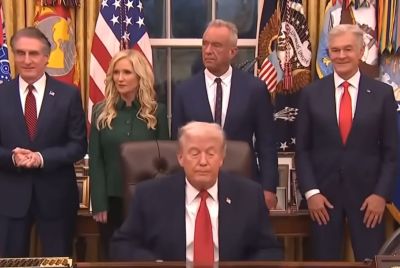
The House of Representatives voted 232 to 198 on 22 July to bar members of Congress, their spouses and their dependents from buying individual stocks, a measure President Donald Trump had publicly urged it to pass. The bill exempts the president, the vice president, and the rest of the executive branch.
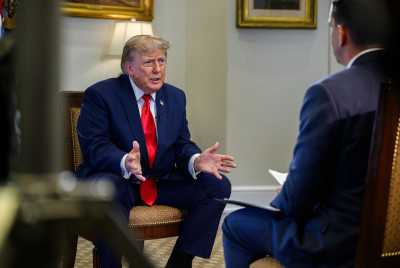
Trump has been consistent on the first half of that. He told Congress in February to pass the legislation without delay, arguing that lawmakers should not be able to profit from information only they hold, and he told an interviewer last year that he would put his signature to one, citing Nancy Pelosi by name.
The exemption is not an oversight in drafting. It reflects a line the president has defended before, and the shape of the bill makes that line visible.

The measure bars purchases rather than ownership. Members elected with portfolios may keep what they already hold, a provision critics say leaves the existing conflicts in place while blocking only new ones.
Republicans also attached voter identification requirements to the bill. Massie, a Kentucky Republican, argued the pairing was designed to make Democrats vote against a stock trading ban so the vote could be used against them in November.
Support for restricting congressional trading is not a marginal position. A study out of the University of California, San Diego put backing among the voting public above 86%, and the practice has gone unreformed since the STOCK Act of 2012, which required disclosure without curbing the trades themselves.
Where the President Drew His Line
The clearest evidence of his position came a year earlier. When Senator Josh Hawley's rival proposal, which would have covered the president and vice president alongside Congress, advanced out of committee with bipartisan support, Trump publicly dismissed the Missouri Republican as a second-tier senator.
That episode matters because of what his own filings show.

Advisers made more than 21,000 trades on his behalf during 2025, with disclosed activity ranging from $600M to $1.86B, including roughly 3,600 more in the first quarter of this year alone. He does not direct them personally.
The White House said senior advisers would recommend he sign the bill in its current form, and that most Americans want individual stock purchases barred for those serving in Congress. Its statement did not address the exemption for his own office.
The Wider Record
Stock trading is one strand of a larger argument about presidential finances. His most recent annual disclosure reported revenue of about $2.2B, the bulk of it from cryptocurrency ventures that did not exist during his first term, alongside foreign deals in countries his administration negotiates with.
That accumulation has been examined at length elsewhere, including in the video below.
None of it is unlawful, and none of it would be touched by the bill the House has just passed. Presidents are exempt from the conflict of interest statute that binds other federal officials, a gap that predates this administration by decades.
The bill now goes to the Senate, where a competing proposal covering the executive branch has already cleared committee once. Whether the narrower version survives contact with that chamber is the question, and the answer will determine whether a ban Trump asked for arrives in a form that also applies to him.
© Copyright IBTimes 2025. All rights reserved.
- Recommended For You