Who's More Likely to Hit $1 Trillion: Mark Zuckerberg or Jensen Huang?
Prediction markets favour Mark Zuckerberg as the next trillionaire, with Nvidia's Jensen Huang as a close contender

The race to become the world's second trillionaire is on, as prediction market traders are placing their bets on who will be the world's second trillionaire after Elon Musk. Meta chief executive Mark Zuckerberg came through as a clear favourite followed by Nvidia's Jensen Huang.
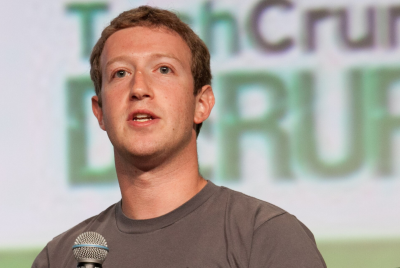
According to traders on Kalshi, Meta's chief executive has a 32% chance of reaching a $1T net worth before 2033. While his estimated net worth sits below $200B today, investors believe that Meta's AI investments could greatly boost long-term growth and close the gap. The contracts utilise Forbes' billionaire estimates to know whether the $1T milestone has been reached, with the total trading volume standing just over $7,500.
Traders See Nvidia's Jensen Huang as Zuckerberg's Biggest Threat
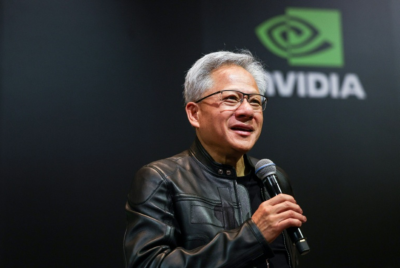
Although Mark Zuckerberg is leading the prediction market, Nvidia chief executive Jensen Huang remains his closest contender, with traders giving him a 21% chance of becoming the world's next trillionaire. The Nvidia co-founder's net worth is around $182B and has ballooned ever since Nvidia became the biggest beneficiary of soaring demand for AI chips. Investors continue to see Nvidia as one of the key players within the rapidly expanding AI industry.

Meanwhile, Michael Dell, founder of Dell Technologies, ranked third with a 6% probability, with a net worth of around $240B, showing that traders are betting on future growth rather than current wealth rankings.
How AI is Changing Wealth Rankings
Artificial intelligence is not only changing the technology industry but also global wealth rankings, boosting the fortunes of executives leading the AI revolution. Meta continues to spend heavily on AI, while Nvidia's dominance in AI chips has propelled it to become one of the most valuable companies in the world. The rapid growth of both businesses has led both investors to believe that both Zuckerberg and Huang could eventually outpace their billionaire peers and reach $1 trillion.
However, both Zuckerberg and Huang may not be the only contenders for long. An Oxfam report published in January 2025 forecasts that the world may produce up to five trillionaires over the next 10 years.
After Musk's Trillionaire Milestone, Investors Are Betting on the Next One
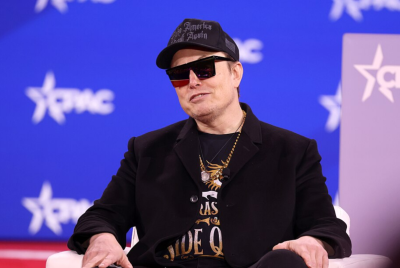
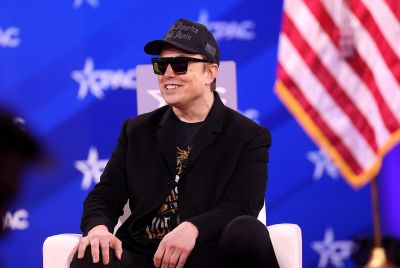
Elon Musk's rise to trillionaire status after SpaceX's public debut on 12 June has intensified debate on who will be the next person to reach this historic milestone. While Musk's wealth has fallen by about $350 billion because of weaker SpaceX shares, he still comfortably remains the wealthiest person in the world with a net worth of $946.7 billion.
That milestone has triggered a new wave of speculation, where traders increasingly view Zuckerberg as one of the leading contenders to hit the milestone. Meta itself is taking notice of the industry, with reports suggesting that the company is pursuing partnerships with prediction market operators as it develops Arena, a points-based forecasting app designed to heighten engagement among younger users. The platform is reportedly undergoing internal testing and could eventually be integrated into Facebook and Messenger.
Although the trillion-dollar fortune appears to be years away, one thing is clear: artificial intelligence is emerging as one of the biggest drivers of growth that will eventually propel today's tech leaders to trillion-dollar fortunes.
© Copyright IBTimes 2026. All rights reserved.
- Recommended For You