Apple Stock Falls Despite 'Strongest June Quarter': The iPhone Issue Investors Couldn't Ignore
Despite record earnings and strong growth, Apple's reliance on iPhone sales remains a key factor behind its success

The Apple stock fell 7.5% during premarket hours on Friday despite delivering one of the strongest June quarters in its history. The iPhone maker reported fiscal Q3 revenue of $109.42 billion, up 16% year over year, while net income surged to $29.79 billion.
For the quarter, earnings per share of $2.02 was well above consensus estimates, which combined with growing revenue and stronger iPhone demand, dominated headlines. However, investors likely took note of the softer outlook due to supply chain roadblocks and the company becoming more reliant on the iPhone despite years of efforts to position itself as having evolved beyond a smartphone company.
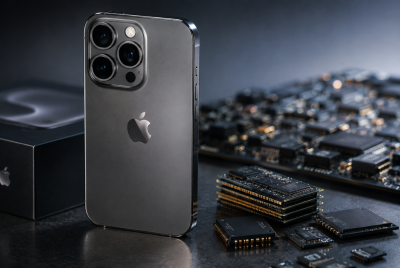
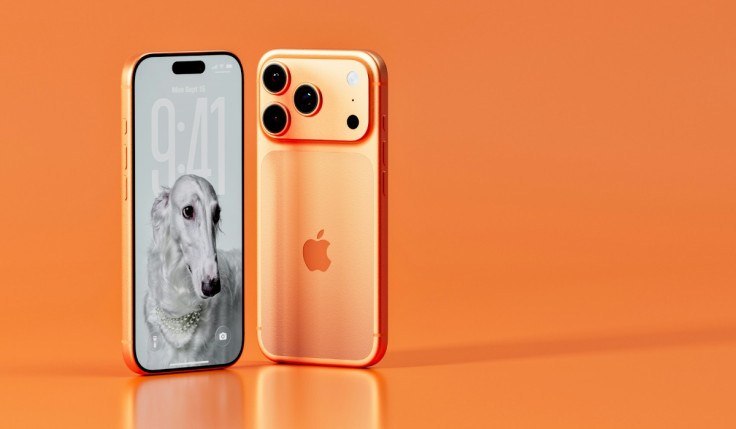
iPhone revenue during the quarter was $54.25 billion, accounting for nearly 50% of Apple's total quarterly revenue. Sales of the flagship device jumped nearly 22% compared with a year earlier, making it by far the company's largest growth engine during the June quarter.
Macs also enjoyed a strong period, with revenue rising nearly 29% to $10.35 billion, driven by the demand for newer models. However, the rest of Apple's business painted a more mixed picture.
The services division generated a record $30.74 billion, but still fell short of analysts' expectations. The segment has long been viewed by investors as Apple's most predictable and highest-margin business, making even a modest miss noteworthy. Meanwhile, iPad revenue declined to $6.19 billion, while Wearables, Home and Accessories remained broadly flat at $7.88 billion.
That means the majority of Apple's revenue growth came from hardware, particularly the iPhone, rather than from the recurring software and services ecosystem that investors have increasingly valued over the past decade.
This shift matters because Apple has spent years convincing investors that it is aggressively diversifying its business. Services subscriptions, digital payments, cloud storage, and media have all become larger parts of its business. Yet this quarter demonstrated that when Apple needs to produce exceptional growth, the iPhone still does most of the heavy lifting.
Supply Chain Constraints Could Have Near-Term Impact
Another reason this concentration deserves attention is Apple's warning about the supply chain constraints and rising memory costs weighing on the coming quarter. Those issues affect precisely the product categories that generated the strongest growth this period. If component shortages limit iPhone or Mac production, the company's largest revenue drivers could face pressure in the near-term.
The market reaction suggested that investors were looking beyond the record results and focusing instead on whether Apple can sustain hardware-led growth while managing supply constraints and rising costs.
Apple Chief Executive Tim Cook described the June quarter as Apple's strongest ever for the period, with double-digit growth across products and geographic regions. Those achievements underline the resilience of Apple's ecosystem, but also reinforce the uncomfortable reality that its fortunes remain closely tied to the success of a single product family.
For years, the narrative has been that Apple was gradually becoming less dependent on the iPhone. However, this quarter suggested that record earnings were made possible largely because consumers continued buying iPhones at an exceptional pace.
Until another segment consistently delivers comparable growth, Apple's flagship device remains not just its biggest business, but the foundation on which its entire financial performance still rests.
Disclaimer: Our digital media content is for informational purposes only and does not constitute investment advice. Please conduct your own analysis or seek professional advice before investing. Remember, investments are subject to market risks, and past performance does not guarantee future returns.
© Copyright IBTimes 2026. All rights reserved.
- Recommended For You