Barack Obama Sparks 2028 Rumors With 'Unfinished Business' Video Teaser
In the gap between a teasing political image and the hard text of the Constitution, fantasy travels faster than fact.

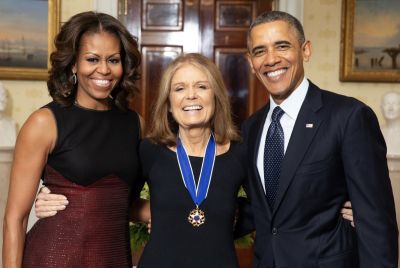
Barack Obama set off a fresh round of 2028 chatter in the US over the weekend after the Obama Foundation posted a teaser video on X on 15 March showing the former president distracted by his phone before declaring he had 'unfinished business'. The clip ended with the words 'To be continued', and although some social media users took that as a political wink, Obama cannot legally run for president again.
The speculation grew out of a short, cryptic post rather than any formal campaign move, and the source material itself offers no evidence of an actual presidential bid. Nothing has been confirmed by the Obama Foundation beyond the teaser, so the online noise should be treated with a grain of salt.
The intrigue is easy enough to understand. Obama remains one of the most recognisable figures in Democratic politics, and a line like 'unfinished business' is exactly the sort of phrase that invites projection. But it also runs into a brick wall of law, not interpretation, and that matters more than whatever mood the video was designed to create.
Barack Obama And The 2028 Barrier
Barack Obama cannot run for president in 2028 because the 22nd Amendment bars anyone from being elected to the office more than twice. He was elected in 2008 and re elected in 2012, then served from 2009 to 2017, which leaves no constitutional route back on to a presidential ballot.
👀
— The Obama Foundation (@ObamaFoundation) March 15, 2026
Any guesses, fam? pic.twitter.com/rkQWzpP8bs
The amendment states that 'no person shall be elected to the office of the president more than twice', and the rule applies whether those terms were consecutive or separated by years out of office. That is why the latest burst of online excitement feels less like a serious legal question than a familiar internet habit, with intrigue outrunning the text in front of it.
There is history behind that restriction. The 22nd Amendment was ratified in 1951 after Franklin D. Roosevelt's four term presidency, when lawmakers moved to turn what had largely been a political norm into a formal constitutional limit. Since then, every president who has completed two terms has been shut out of another run.
Repealing or changing the amendment would require a two thirds vote in both chambers of Congress and ratification by three quarters of the states, a threshold the source article describes as politically unrealistic. In plain terms, the bar is so high that viral speculation makes for better social content than serious constitutional forecasting.
Barack Obama Rumours And The Trump Effect
Part of the renewed fascination appears to stem from comments made by President Donald Trump about seeking a third term himself. According to Newsweek, Trump said he was 'not joking' about the idea and claimed there were 'methods' that could allow a president to remain in office beyond two terms.
That, in turn, reopened an old hypothetical. When asked whether such a route would also let Democrats run Obama again, Trump said he would 'love' that matchup and called it 'a good one'. The remark gave fresh oxygen to a debate that tends to flare whenever constitutional limits are discussed in public by people who already know exactly how provocative the topic is.
Lawyers and constitutional scholars have long read the 22nd Amendment as a hard stop, not a grey area. That was reflected again in early 2025, when a Republican backed proposal aimed at opening the door for Trump was drafted in a way that still shut Obama out because he had already served two consecutive terms.
That detail is telling. Even in proposals designed to test the edges of the term limit debate, Obama still sits on the wrong side of the line. So while the Obama Foundation's teaser plainly succeeded in getting people talking, the practical reality is much duller than the rumour mill would like.
The foundation has not said what the video is actually leading to, and no political announcement has been made. More information may yet arrive in a follow up post, but any suggestion that Barack Obama is plotting a White House return runs into an immovable constitutional limit.
© Copyright IBTimes 2026. All rights reserved.
- MOST POPULAR IN Politics