

Woman Reveals Why Surgeons Removed 22 Pounds of Breast Tissue After Rare Condition Left Her Needing a Wheelchair
Thaynara Marcondes said the condition caused chronic pain, limited her mobility and made everyday tasks difficult
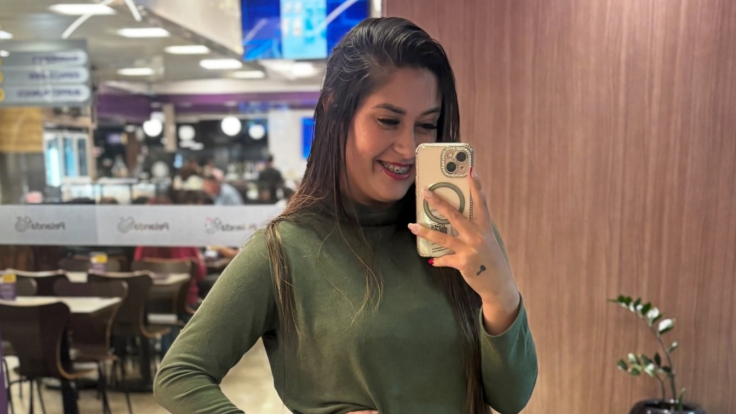
A Brazilian woman has shared how a rare medical condition caused her breasts to grow uncontrollably, leaving her struggling with severe pain, everyday tasks and, at times, the need for a wheelchair. Thaynara Marcondes underwent a gruelling 10-hour operation in which surgeons removed approximately 22 pounds (10 kilograms) of breast tissue, hoping to give her a chance to reclaim her mobility and confidence.
Marcondes was 22 when she underwent the procedure in October 2024. Her experience has since drawn attention to gigantomastia, a rare condition characterised by excessive breast growth that can cause serious physical and emotional difficulties.
Her Breasts Grew by More Than a Pound Each Month
Marcondes, a teaching student, said her body changed dramatically as her breasts grew at an estimated rate of 750 grams (1.65 pounds) per month. Clothes that once fit her comfortably became unusable, and even plus-size options eventually failed to meet her needs.
She resorted to having clothing specially made and struggled to find a suitable bra. The rapid changes also attracted unwanted attention from strangers.
In an interview with Brazilian media, Marcondes recalled feeling uncomfortable when people stared at her in public. She described an especially upsetting experience at a supermarket, where she said strangers appeared to suspect she was concealing stolen products in her chest. The attention added to the distress she was already experiencing as she tried to manage a condition that was becoming increasingly difficult to live with.
The Condition Made Everyday Activities Painful
As the excess tissue accumulated, the physical strain became increasingly severe. Marcondes experienced significant pain in her back, neck and shoulders, making ordinary activities more challenging.
Tasks such as cutting her toenails and putting on trainers became difficult. She also stopped going to the gym because of the pain and struggled with her mobility. At times, her condition was so debilitating that she needed a wheelchair to get around.
Doctors initially considered whether cancer could be responsible for the unusual growth. However, she was eventually diagnosed with gigantomastia, a rare condition involving excessive breast tissue development.
According to the Cleveland Clinic, gigantomastia can develop during puberty or pregnancy, be associated with certain medications or autoimmune conditions, or occur without an identifiable cause. Its severity varies, but excessive growth can lead to persistent pain, skin problems and difficulties with posture and movement.
Surgeons Removed 22 Pounds of Tissue
After raising approximately $7,200 (£5,400) through donations to help pay for treatment, Marcondes underwent breast-reduction surgery on 25 October 2024. The operation lasted around 10 hours, with surgeons removing approximately 22 pounds of excess tissue. According to reports, she was discharged the following day.
Marcondes later described feeling emotional when seeing her changed appearance in the mirror. The surgery represented a significant step towards feeling more comfortable in her body after months of physical discomfort and unwanted public attention.
However, the procedure also came with lasting consequences. Reports about her recovery said she lost nipple sensation and would be unable to breastfeed. Doctors also warned that further breast growth could occur, meaning she would need continued medical monitoring.
What Is Gigantomastia?
Gigantomastia is uncommon, with the Cleveland Clinic noting that only around 300 cases have been reported. The condition can cause disproportionate breast growth over weeks, months or years, and severe cases may require surgery when medication is insufficient.
Treatment depends on the individual's symptoms and circumstances. Breast-reduction surgery can remove excess tissue, while more extensive surgery may be considered in particularly severe or recurring cases.
Marcondes's experience highlights how a rare condition can affect far more than appearance. For her, the excessive growth brought chronic pain, reduced mobility and difficult social experiences. The operation offered relief, although ongoing monitoring remains important as she continues her recovery.
© Copyright IBTimes 2026. All rights reserved.