What Is the Bundibugyo Virus? The Rare Ebola Strain Behind Congo's Deadly Outbreak Triggering Travel Warnings
The Bundibugyo virus outbreak in Congo and Uganda has been declared a global health emergency by WHO, with rapid spread and no approved vaccines raising international concern.

The Bundibugyo virus, a rare strain of Ebola, has been identified as the cause of a deadly outbreak in the Democratic Republic of the Congo and Uganda, the World Health Organisation (WHO) confirmed on 17 May 2026, with the event now declared a public health emergency of international concern.
The outbreak has already been linked to at least eight laboratory-confirmed cases, 246 suspected infections and around 80 suspected deaths, according to WHO figures cited in its official statement.
Ebola outbreaks are not new to the region. The Democratic Republic of the Congo has experienced repeated flare-ups since the virus was first identified in 1976, with health authorities describing this as the 17th recorded outbreak. What makes this episode different is the strain it places on health systems and the speed at which suspected cases and deaths have appeared across several provinces, including cross-border infections detected in Uganda.
Bundibugyo Virus Outbreak Declared Global Health Emergency
The WHO's decision to classify the situation as a public health emergency of international concern (PHEIC) reflects growing alarm over how quickly the Bundibugyo virus appears to be spreading, even as officials acknowledge that the true scale is still uncertain.
The WHO reported eight confirmed cases and 246 suspected cases across Ituri Province in eastern Congo, with at least 80 suspected deaths as of 16 May. Cases have been recorded in multiple health zones, including Bunia, Rwampara and Mongbwalu, while two confirmed infections were also identified in Kampala, Uganda, in individuals who had recently travelled from the Democratic Republic of the Congo.
A WHO statement noted that the situation meets the criteria for an international emergency because of its 'extraordinary' nature, including community deaths with Ebola-like symptoms and early signs of healthcare system transmission.
At least four healthcare workers are believed to have died in circumstances consistent with viral haemorrhagic fever, raising concerns about infection control in clinical settings.
The organisation also identified a troubling knowledge gap. Epidemiological links between cases remain unclear, and the actual number of infections is likely higher than reported due to delayed detection and limited testing in affected areas.
Crucially, unlike the more widely known Ebola Zaire strain, there are currently no approved vaccines or specific treatments for Bundibugyo virus disease. That absence has sharpened global concern, particularly given the virus's potential to spread undetected in densely populated or hard-to-reach regions.
Why Bundibugyo Virus Raises Alarm for Health Authorities
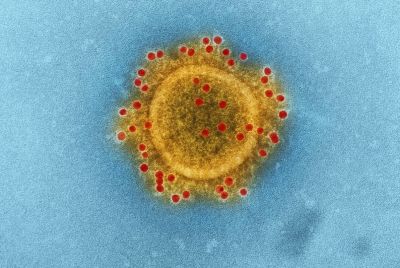
The Bundibugyo virus is one of several Ebola species, first identified in Uganda in 2007. It is less frequently seen than other variants, but experts say that does not make it less dangerous. In fact, its rarity may complicate response efforts because medical tools developed for other strains may not work as effectively.
WHO officials warned that conditions in eastern Congo are particularly challenging. Ongoing insecurity, population movement linked to mining activity, and limited access to healthcare facilities are all contributing factors that could accelerate transmission. The region also has a dense network of informal healthcare providers, which can make case tracking more difficult.
In its assessment, the WHO said the combination of uncertain case numbers, cross-border spread, and weak health infrastructure created a 'significant risk' of wider regional transmission. The presence of confirmed cases in Uganda has already demonstrated that border crossings are no longer a theoretical concern.
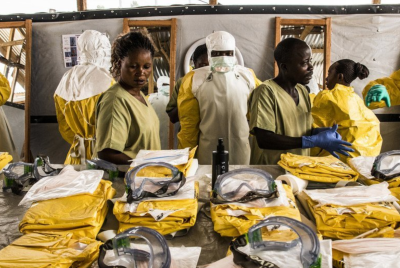
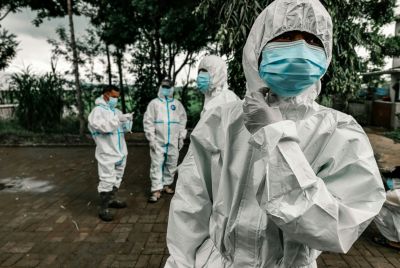
The agency has deployed epidemiologists, laboratory experts and infection control specialists to the region, alongside more than 11,000 pounds of medical supplies. These include protective equipment, testing kits, and treatment materials to support frontline response teams.
Still, officials acknowledge that containment is far from straightforward. Surveillance systems are under pressure, and contact tracing is being complicated by both geography and instability in affected communities.
Travel Warnings and Containment Measures Tighten
The emergence of the Bundibugyo virus has triggered heightened travel advice, including warnings issued by the US Embassy in Uganda following confirmed cross-border cases. While the WHO has stopped short of recommending blanket travel bans, it has urged strict monitoring at borders and points of entry.
Under its emergency guidance, confirmed cases must be isolated and treated in specialised units, while contacts must undergo daily monitoring for up to 21 days. International travel for exposed individuals is to be restricted unless for emergency medical evacuation.
Health authorities have also been instructed to strengthen airport screening, improve cross-border coordination, and ensure the rapid sharing of surveillance data.
At the same time, WHO has stressed that borders should remain open, arguing that unnecessary travel restrictions can undermine response efforts and push movement into unmonitored routes.
The organisation is now preparing to convene an emergency committee to refine its recommendations, as governments in affected and neighbouring states accelerate preparedness measures. For now, officials are focused on tracing infections, controlling community spread, and trying to contain an outbreak that, by their own admission, is still only partially visible.
© Copyright IBTimes 2026. All rights reserved.
- Recommended For You