The Only Hantavirus Update Americans Need After 41 Possible Exposure Cases
The CDC states the public risk is low, with no confirmed US cases

A hantavirus outbreak tied to an Antarctic cruise ship has left 41 people under monitoring in the United States, but federal health officials say the risk to the public remains 'very low.'
The concern centres on the Andes virus, a rare hantavirus strain capable of limited person-to-person spread. Most of those being monitored were passengers aboard the MV Hondius expedition cruise, where several illnesses and deaths were reported after the ship returned from South America.
The CDC says there are currently no confirmed US cases linked to the incident, though health teams across multiple states remain on alert.
CDC Says Public Risk Remains Low
The US Centers for Disease Control and Prevention confirmed Wednesday that more than 100 staff members are involved in monitoring and response efforts connected to the MV Hondius outbreak.

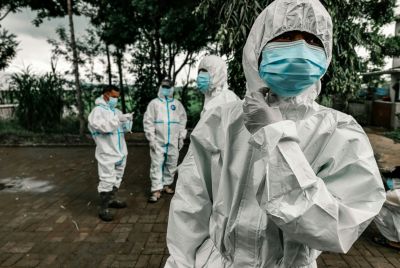
Of the 41 people under observation in the US, 18 cruise passengers were transported to specialised quarantine facilities in Nebraska and Atlanta after possible exposure to the Andes virus. Officials said one traveller initially flagged as a possible positive case was later medically cleared and moved into standard quarantine with the others.
The CDC stressed that this is not a widespread US hantavirus outbreak. The monitoring effort is precautionary because the Andes strain, unlike most hantaviruses, has shown rare cases of human-to-human transmission through prolonged, close contact.
What Happened on the MV Hondius Cruise Ship?
The Dutch-flagged expedition ship departed Ushuaia, Argentina, in April and carried passengers through Antarctica and South Georgia Island. Investigators believe the first infection may have originated from rodent exposure in South America before spreading among close contacts aboard the vessel.
The World Health Organization has reported multiple confirmed and suspected cases connected to the cruise, including several deaths overseas. Most passengers have since returned home, while health agencies continue tracing contacts and monitoring symptoms.
Passengers under observation in the US are spread across multiple states, including California, Texas, Georgia, New Jersey and Washington.
Why Health Officials Are Taking Extra Precautions
Hantavirus pulmonary syndrome can begin with flu-like symptoms such as fever, fatigue, muscle aches and nausea before progressing to severe breathing problems.
The Andes virus has drawn particular attention because it behaves differently from the strains usually seen in the United States, which are primarily spread through contact with infected rodent droppings and are not known for person-to-person transmission.
Doctors say casual contact remains unlikely to spread the virus. Most documented transmission cases involved close physical interaction, shared enclosed spaces or exposure to bodily fluids.
What Americans Should Know Right Now
Federal officials continue to describe the situation as contained, with no signs of community spread inside the United States. The CDC has advised clinicians to watch for symptoms in anyone with a recent exposure history connected to the cruise or affected travellers.
For most Americans, experts say the bigger risk still comes from traditional rodent exposure rather than human transmission. People are being urged to avoid panic while staying informed as the monitoring period continues over the coming weeks.
With the incubation period stretching up to 42 days, health authorities are expected to keep a close watch on passengers through June. For now, officials say the outbreak appears limited.
© Copyright IBTimes 2026. All rights reserved.
- Recommended For You