Who is the Deadly Hantavirus 'Patient Zero'? Leo Schilperoord's Passion for Birds May Have Cost Him His Life
Leo and his wife, Mirjam, who both died from the virus, had been prominent figures in Dutch ornithology since the 1980s
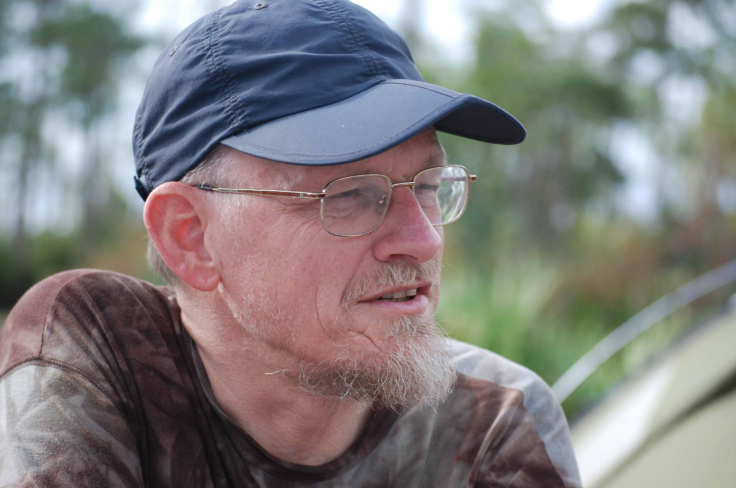
A lifelong passion for rare birds has ended in a global health emergency after Dutch ornithologist Leo Schilperoord was identified as 'patient zero' in a deadly hantavirus outbreak, with various reports stating that this passion may have cost him his life after a landfill trip.
The 70-year-old researcher, who spent decades documenting avian species across the globe, is believed to have contracted the rare Andes strain of the virus while pursuing a rare bird at a rubbish dump in southern Argentina with his 69-year-old wife, Mirjam. The ensuing outbreak aboard the expedition cruise ship MV Hondius has now claimed three lives and left international health authorities racing to contain the spread.
Who is Leo Schilperoord, the Hantavirus 'Patient Zero'?
On his Facebook profile, the Dutch ornithologist shared that he studied biology at Rijksuniversiteit Groningen in 1983. As reported by The Post, the couple co-authored a study on pink-footed geese in the Dutch ornithological magazine Het Vogeljaar in 1984.
The couple went on an adventure across the world. In 2013, they had an 'unforgettable' private 12-day birdwatching and wildlife tour in Sri Lanka, where they raved about spotting a rare Serendib Scops Owl.
The couple was on a five-month birdwatching journey through South America before boarding the MV Hondius, where they fell ill and died from hantavirus. Leo and Mirjam live in a small village of Haulerwijk in the Netherlands, a community of just 3,000 people.
Back home, the couple is being remembered for their dedication to wildlife. An obituary in a local magazine poignantly noted, 'Like birds in flight, we will miss you and the stories.' The couple had been prominent figures in Dutch ornithology since the 1980s.
The Landfill Trip in Argentina
The tragedy began in late March during the final leg of their five-month South American expedition. Leo and Mirjam, 69, visited a notorious landfill site four miles outside the city of Ushuaia, a location frequently shunned by locals but considered a 'pilgrimage site' for serious birdwatchers from all over the world in search of a rare creature.
They were reportedly searching for the White-throated Caracara, also known as Darwin's Caracara, a scavenger bird that frequents the waste mountains of Patagonia.
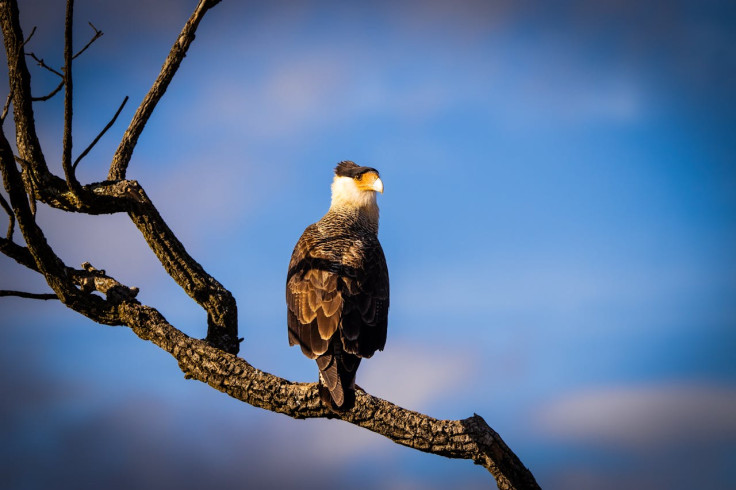
Photographer and local guide Gastón Bretti said, 'It is common for birdwatchers to visit landfills because there are many birds there.' He added, 'It's a mountain of waste that today far exceeds the limit initially established by the authorities.'
According to investigators, the couple likely inhaled aerosolised particles from the droppings of long-tailed pygmy rice rats while navigating the site.
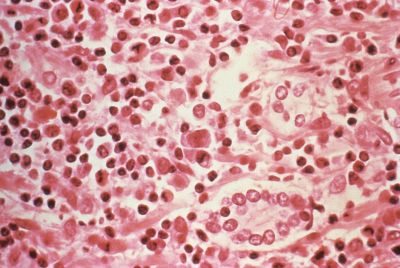
As reported by the Hindustan Times, health officials believe the area was heavily contaminated with the Andes variant, a uniquely dangerous strain of hantavirus. Unlike most variants of the disease, the Andes strain is the only known form capable of sustained human-to-human transmission. This factor turned a personal tragedy into a maritime crisis.
Tragedy Aboard the MV Hondius
On 1 April, the Schilperoords joined 112 other passengers—many of whom were fellow scientists and enthusiasts—to board the MV Hondius for a voyage through the South Atlantic. Within days, the dream expedition turned into a nightmare.
By 6 April, Leo began displaying severe symptoms, including high fever, headaches, and debilitating gastrointestinal pain. He passed away on board the vessel on 11 April, five days after falling ill.

The heartbreak did not end with Leo's death. His wife, Mirjam, remained on the ship until it docked at the remote island of Saint Helena on 24 April, where she disembarked with her husband's body.
While attempting to board a flight home from Johannesburg, South Africa, she collapsed at the airport. She died the following day in a local clinic, becoming the second victim of the outbreak. A third fatality, a German national, has since been confirmed.
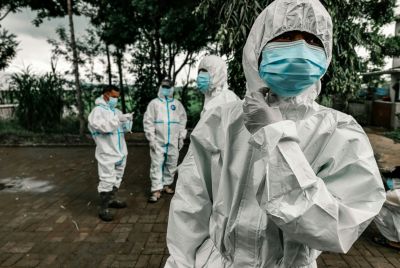
The World Health Organization (WHO) has confirmed eight cases linked to the vessel, though officials maintain the overall public health risk remains low. The cruise ship later successfully disembarked its passengers after docking in Tenerife, Canary Islands, on 10 May, with operations completed the following day.
For the Schilperoords, their professional curiosity and lifelong passion ultimately led to a fatal encounter with one of nature's most elusive and deadly pathogens.
© Copyright IBTimes 2026. All rights reserved.
- Recommended For You