Donald Trump Appears To Drift off With 'Eyes Getting Heavy' and 'Face Dropping' at Oval Office Briefing
A healthcare announcement became an online talking point after viewers focused on the president's appearance
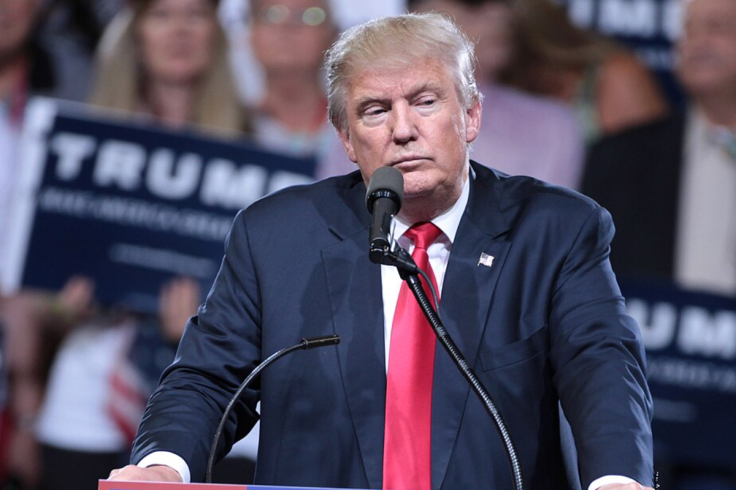
A Donald Trump Oval Office clip drew online attention in Washington on Friday, 18 September, during a White House healthcare announcement. Journalist Aaron Rupar posted footage while CMS Administrator Mehmet Oz spoke, questioning whether the 80-year-old president was staying alert. The footage does not establish that Trump fell asleep or experienced a medical problem.
The event focused on the administration's GENEROUS Medicaid Payment Model and its most-favoured-nation approach to prescription drug prices. CMS said all 50 states, the District of Columbia and Puerto Rico had applied to participate. Forty states and Puerto Rico had signed agreements by Friday, with the remaining states given until 30 September.
The White House published a full video of the healthcare announcement. Its materials focused on Medicaid drug pricing and did not address the online interpretation of Trump's appearance.
Donald Trump Clip Pulls Focus From Drug-Pricing Policy
Rupar posted clips from the Oval Office event on X, including footage recorded while Oz was speaking. A syndicated version of the source report said Rupar questioned Trump's alertness during the event. His comments represented his interpretation of the footage, not a medical assessment.
The short clips can document posture, facial expression and movement. They cannot establish whether Trump was asleep or identify a medical cause.
CMS said participating manufacturers will provide supplemental rebates on covered outpatient drugs included in the GENEROUS Model. The rebates are intended to align Medicaid net prices with prices paid in selected foreign markets.
CMS estimated the model could save taxpayers $64.3 billion (£48.03 billion) over ten years. That figure is the agency's projection, rather than an independently established saving. CMS also said it will monitor pricing accuracy and share in rebates through adjustments to the federal share of Medicaid payments.
The model launched in January 2026 and is scheduled to run for five years. Participation is voluntary for both states and manufacturers. Covered medicines come from manufacturers accepted into the programme.
Friday's announcement therefore did not mean every jurisdiction had completed the process. It showed that all 50 states, the District of Columbia and Puerto Rico had applied, while some agreements remained unfinished.
Donald Trump Health Context Comes From White House Physician
The online discussion also renewed attention on Trump's health, but the latest published White House medical disclosure predates Friday's event by several months. On 29 May 2026, the White House released a memorandum from physician Sean Barbabella following Trump's examination at Walter Reed.
Barbabella reported slight lower-leg swelling, with improvement from the previous year. He also described hand bruising as consistent with frequent handshaking while taking aspirin for cardiovascular prevention.
The physician said a comprehensive neurological examination found normal mental status. Trump scored 30 out of 30 on the Montreal Cognitive Assessment, according to the report. Barbabella concluded that Trump remained in 'excellent health' and was 'fully fit' to perform presidential duties.
Those conclusions are the physician's findings from the May examination. They do not explain Trump's appearance in the September footage, and the circulating clips do not provide evidence for a separate diagnosis.
alert the press: it is not normal for the president to be unable to stay conscious during televised events in the Oval Office pic.twitter.com/tVrHqaA1MU
— Aaron Rupar (@atrupar) September 18, 2026
Earlier White House medical records also addressed visible concerns involving Trump's legs and hands. In July 2025, Barbabella said Trump had chronic venous insufficiency after an evaluation for lower-leg swelling. He described the condition as common and benign in older adults.
The same memorandum attributed hand bruising to minor soft-tissue irritation from frequent handshaking and aspirin use. It reported no evidence of deep vein thrombosis, arterial disease, heart failure, renal impairment or systemic illness.
Trump remained at Friday's Oval Office event as officials discussed the Medicaid model. Oz, the 17th administrator of the Centers for Medicare & Medicaid Services, spoke during the announcement. The White House video and drug-pricing materials reviewed for this article did not address Rupar's interpretation of the footage.
© Copyright IBTimes 2026. All rights reserved.
- Recommended For You