ICE Agents Targeted by Fake 'Tradwife' Dating Profiles in Alleged Scheme to Dox and Embarrass Them
The alleged tactic reportedly blended romance and deception, using fake online personas to approach potential targets
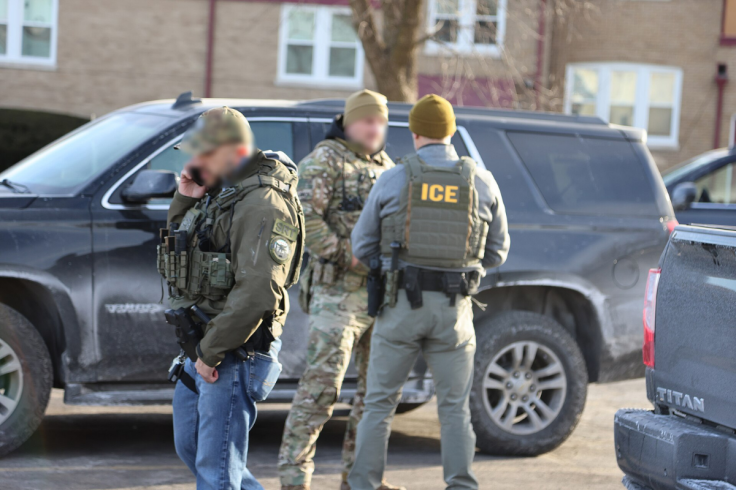
Federal immigration-enforcement personnel were warned about an alleged dating tactic involving fake 'tradwife' profiles reportedly created to attract officers. The FBI's Chicago field office circulated a February 2026 briefing to law enforcement agencies about the alleged scheme, saying a small group of women were reportedly creating fictitious dating profiles designed to appeal to ICE officers. According to the briefing, the profiles were intended to draw officers into online or in-person interactions under the guise of a date, after which their identities could be publicly exposed and doxxed.
The briefing provided few details about the alleged activity and did not identify its source. It also did not establish whether any immigration-enforcement personnel had actually been exposed through the tactic.
A Dating Profile With a Hidden Agenda
The document said the fake profiles used a 'traditional wife' aesthetic associated with the online 'tradwife' trend. The FBI said the alleged tactic was intended to generate 'public embarrassment' and deter immigration enforcement activity.
However, it did not identify the dating platforms involved or say where the women were based. The FBI classified it as a 'situational information report' intended to 'raise awareness' and cautioned that it was 'not finally evaluated intelligence.'
Where the Warning Came From
Property of the People, a government-transparency nonprofit, obtained the FBI document through a public-records request and later shared it with The Guardian. The briefing came weeks after a January 2026 New York Post report about alleged efforts to use dating apps to identify and expose ICE agents. The report cited material shared by Libs of TikTok, including a screenshot from someone who claimed to belong to a Facebook group dedicated to dating agents to expose them.
However, the Post report did not establish that any agents had actually been deceived or successfully targeted. The FBI memo did not disclose its source either. The Guardian reported that it was unclear whether the FBI had received direct accounts from targeted agents or was summarising activity already circulating online.
FBI Declines to Discuss Specific Briefing
The FBI declined to answer detailed questions about the briefing, saying it generally does not comment on intelligence briefings. A spokesperson said, 'The FBI regularly shares information with our law enforcement partners to assist in protecting the communities they serve as well as protecting those who serve and protect communities.'
The Department of Homeland Security has previously said that publicising officers' identities could put them and their families at serious risk. The concerns come amid broader US law enforcement warnings about efforts to identify ICE personnel. A November 2025 FBI report also warned that ICE officers' names, photos, licence plates, locations, and family details were being shared online by people tracking ICE activity.
Critics Question the Briefing's Evidence
Ryan Shapiro, executive director of Property of the People, criticised the briefing saying, 'It's absurd the FBI issued a thinly sourced security alert about ICE agents' online dating troubles.'
Former FBI agent Mike German, who reviewed the document for The Guardian, also questioned its lack of citations. The briefing said the intelligence came from a 'collaborative source' but did not provide further sourcing details. German suggested the briefing may have been inspired by the earlier New York Post report, although the FBI document does not establish such a connection.
© Copyright IBTimes 2026. All rights reserved.
- Recommended For You