

Free Apps Can Cost More Than Paid Ones—Just Not How You Expect
Your personal data, attention, and small purchases often become the real price of 'free' apps
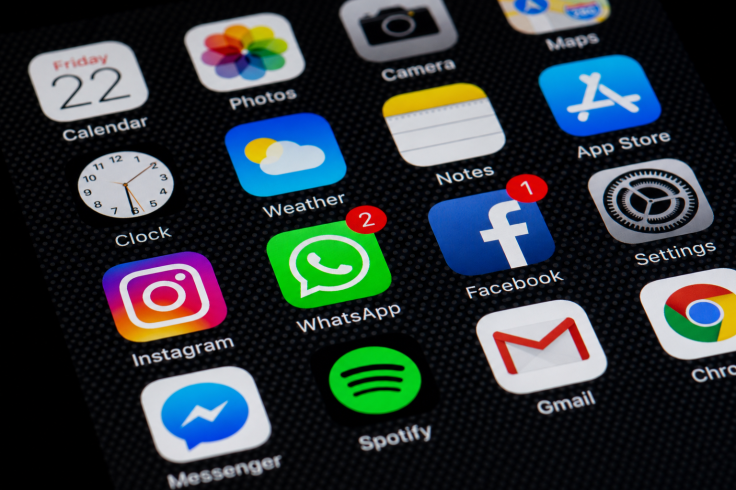
Downloading a free app often feels like an easy way to save money. Whether it's a mobile game, fitness tracker, photo editor or productivity tool, paying nothing upfront can seem like a smart financial decision.
However, cybersecurity experts and consumer advocates increasingly warn that many free apps come with hidden costs that are rarely shown on the download page. Instead of charging users directly, many developers generate revenue by collecting personal data, displaying advertisements or encouraging repeated in-app purchases that can ultimately cost more than a paid alternative.
As smartphones become central to everyday life, understanding how free apps make money is becoming just as important as comparing prices before buying physical products.
Your Personal Data Has Become a Valuable Currency
Many free apps rely on advertising to remain profitable. To make those ads more valuable, developers often collect information about users, including location data, browsing behaviour, device identifiers, and app usage. This is called targeted advertising.
According to Google's Android privacy guidance and Apple's App Privacy Labels, developers are required to disclose many categories of data they collect, allowing consumers to better understand how their information may be used before downloading an app.
Privacy regulators have also increased scrutiny of excessive data collection. The UK's Information Commissioner's Office (ICO) has repeatedly advised consumers to review app permissions carefully and deny access to information unrelated to an app's core function. For example, a simple flashlight app doesn't need access to contacts, microphones or precise location.
Concerns over app permissions are not new. Consumer advocates have long warned that many popular apps request far more information than they need to function, creating privacy risks that many users overlook.
Small Purchases Can Become Expensive
Many free apps now operate using the 'freemium' business model. While downloading the app costs nothing, premium features, virtual currency or additional content require payment. These purchases often appear inexpensive individually. Spending £1.99 here or £4.99 there may not seem significant, but frequent microtransactions can quickly exceed the price of buying a premium app outright.
This model has become particularly common in mobile gaming, where additional lives, cosmetic upgrades or subscription passes encourage ongoing spending long after installation. Consumer groups have previously warned that repeated in-app purchases can be difficult to monitor, particularly for younger users.
Free Apps Can Also Affect Your Phone
The cost of free apps is not always financial. Some applications continue running background processes even when users are not actively using them. These processes may consume battery life, storage space, mobile data, and processing power.
Research examining thousands of Samsung Galaxy smartphones found that almost 29% of daily battery consumption occurred while screens were turned off, illustrating how background activity contributes to overall energy use.
Developers of paid applications often rely on subscription revenue rather than advertising, giving them less incentive to maximise engagement through background activity or intrusive notifications.
How to Protect Yourself
Experts recommend reviewing app permissions before installation, reading recent user reviews and regularly deleting applications that are no longer used. Downloading apps only from trusted stores such as Google Play and Apple's App Store also reduces the risk of installing malicious software.
In some cases, paying a small one-time fee or subscribing to a premium version may provide a better overall experience by removing advertisements, reducing data collection and improving customer support.
Why It Matters
Consumers are becoming increasingly aware that online services are rarely free. Instead of paying with cash, users often exchange personal information, attention, and device resources.
As regulators introduce stronger privacy rules and app stores expand transparency requirements, understanding these trade-offs can help consumers make more informed decisions about the software they install.
For many users, the cheapest app is not necessarily the one that costs nothing upfront.
© Copyright IBTimes 2026. All rights reserved.