iPhone 18 Pro Price Update: Analyst Ming-Chi Kuo Reveals Why Imminent Apple Smartphone Is Bleeding Cash
Rising component costs and new features could push iPhone 18 Pro prices to unprecedented levels.

Apple's iPhone 18 Pro price update is already raising eyebrows after analyst Ming-Chi Kuo and fresh supply-chain estimates suggested the upcoming handset could cost as much as $1,399 when it launches later this year, driven largely by surging component costs that are, in effect, bleeding cash from Apple's margins.
The warning signs have been building for weeks. Apple confirmed earlier in June that price increases are likely across its product range, with chief executive Tim Cook acknowledging pressure from rising memory chip costs, though he stopped short of naming specific devices or figures. That ambiguity has now been filled, at least in part, by analysis from The Wall Street Journal and research firm TechInsights.
Price Update Signals Sharp Cost Surge
According to The Wall Street Journal, the cost of 12GB of DRAM used in the current iPhone 17 Pro sits at around $39. For the iPhone 18 Pro, that figure could jump to $145. Flash storage tells a similar story, rising from roughly $13 for 256GB to an estimated $51. These are not marginal increases. They are multiples.
The cause is not consumer demand for smartphones, but a scramble elsewhere. AI data centres are absorbing vast quantities of DRAM and NAND flash, with major manufacturers such as Samsung Electronics and Micron Technology prioritising enterprise-grade chips over consumer supply. The result is a squeeze that leaves devices like the iPhone competing for fewer components at higher prices.
TechInsights estimates that total component and manufacturing costs for the iPhone 17 Pro sit at about $582. For the iPhone 18 Pro, that could climb to around $726, a roughly 25% increase. That kind of jump does not quietly disappear into a balance sheet.
Apple typically operates with a gross margin of about 47% on its Pro models. Maintaining that would require a price of around $1,371, based on the same cost structure. Yet Apple rarely lands on awkward numbers. A cleaner $1,299 starting point would still deliver a slightly thinner margin of about 44%.
Ming-Chi Kuo Reveals Why Costs Keep Climbing
Ming-Chi Kuo's contribution to the iPhone 18 Pro price update complicates matters further. The well-known supply chain analyst has pointed to a new camera system that could cost Apple roughly 50% more than the previous generation.
That single upgrade shifts the equation again. When folded into the existing cost pressures, The Wall Street Journal analysis suggests Apple may need to push pricing to $1,399 or higher to protect profitability. That would represent a $200 to $300 increase over the current $1,099 starting price of the iPhone 17 Pro.
It raises an obvious question. How far can Apple stretch its pricing before consumers push back?
Online reaction has been mixed, and at times blunt. On X, some users described the potential pricing as 'unsustainable,' while others argued that high-end buyers have already accepted four-figure smartphones as standard. A Reddit thread discussing the report drew similar division, with one commenter noting that 'people complain every year and still upgrade,' while another questioned whether incremental upgrades justify what they called 'mad pricing creep.'
Neither view is easily dismissed. Apple has historically managed to raise prices without denting demand in its premium segment. But there are limits, and they are not always visible until they are crossed.
There is also the wider product strategy to consider. The iPhone 18 Pro is expected to launch alongside a rumoured 'iPhone Ultra,' with a suggested starting price of around $2,000. That positioning could make the Pro model feel, relatively speaking, like the safer choice. Or at least the less shocking one.
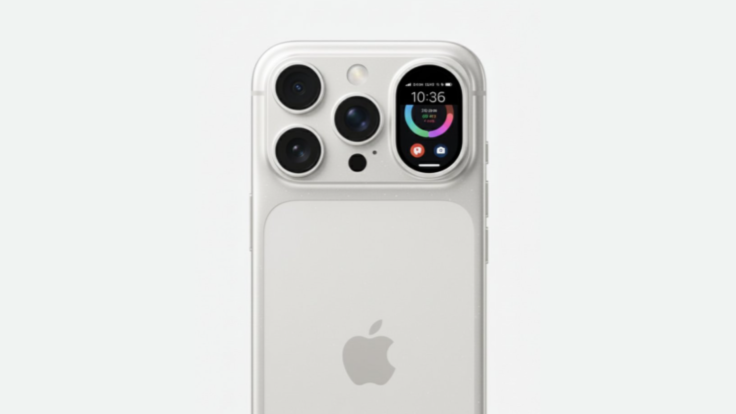
Meanwhile, the Pro Max variant is expected to maintain its usual $100 premium over the standard Pro model. If the base model does land at $1,399, that would place the Pro Max at roughly $1,499. Not long ago, that would have sounded absurd. Now it feels uncomfortably plausible.
Apple has yet to confirm any pricing, and Cook has indicated that decisions are still being finalised ahead of the expected September launch window. Nothing is confirmed yet so everything should be taken with a grain of salt.
Still, the direction of travel is clear. Rising component costs, intensified by the AI boom, are forcing difficult decisions. Apple can absorb some of the pressure, pass some on to consumers, or recalibrate its margins. It will likely do all three, to varying degrees.
© Copyright IBTimes 2026. All rights reserved.
- Recommended For You