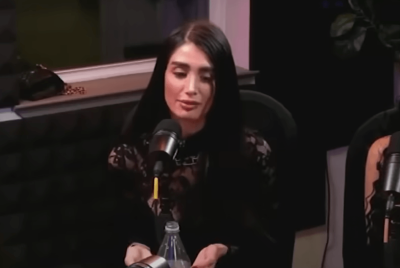
Phoebe Gates $43 Million Shopping App Accused of Pocketing Commissions From Sales It Didn't Drive
Investigation reveals Fia's browser extension may have improperly claimed online purchase commissions

A shopping app co-founded by Bill Gates' daughter Phoebe Gates has come under intense scrutiny after an investigation alleged it was claiming credit for online purchases it never actually generated.
The allegations centre on Fia, a browser extension designed to help shoppers find discounts and compare fashion prices, with investigators claiming the software quietly inserted its own affiliate tracking codes during checkout.
Although the company denied any intentional wrongdoing and said the issue resulted from a mistake, the findings have sparked questions over how the fast growing startup handled online commissions.
Investigation Raises Questions About Fia
Fia launched in 2025 after being co-founded by Phoebe Gates and climate activist Sophia Kianni. The platform markets itself as a personal shopping assistant that searches for discount codes, compares prices and helps users find second hand alternatives for clothing and fashion accessories.
The company quickly attracted major investors and raised $43 million (£32 million) from firms including Kleiner Perkins, Notable Capital and Khosla Ventures. Celebrity investors such as Sydney Sweeney, Khloe Kardashian, Hailey Bieber and former Meta executive Sheryl Sandberg also backed the business.
However, investigation claimed Fia's browser extension inserted its own affiliate referral code into online purchases without any action from users. According to the report, this allowed Fia to receive commission payments even when another publisher or website had actually driven the sale.
Investigation said it tested the extension across more than 50 retail websites and observed the same behaviour repeatedly during the checkout process.
Researchers Say The App Overrode Other Referrals
The investigation relied on independent affiliate marketing expert Ben Edelman, who reviewed Fia's publicly available code and tested how the extension interacted with retailers and affiliate networks.
According to Edelman, affiliate marketing follows one simple rule.
'The most fundamental requirement in affiliate marketing is that commission is only paid if a user clicks.'
He argued that fake or automated clicks should never qualify for commissions, adding that affiliate programmes do not permit 'fake clicks, simulated clicks, imaginary clicks or hypothetical clicks'.
The report also noted that Capital One Shopping, which operates a competing browser extension, reached similar conclusions during its own testing.
Investigators alleged that Fia silently opened a background browser tab before inserting its own tracking cookie, effectively replacing another publisher's referral with its own.
The practice, commonly known as cookie stuffing, has long been criticised within the affiliate marketing industry because it can divert commissions away from the websites that genuinely referred customers.
Fia Says The Problem Was Unintentional
After the findings were brought to the company's attention, Fia reportedly disabled the feature and denied intentionally attempting to collect commissions improperly.
According to the company, the issue resulted from an unintended technical error rather than a deliberate effort to manipulate affiliate payments.
The allegations also resurfaced concerns raised last year when security researchers claimed the app logged users' browsing history, including webpage snapshots that reportedly contained sensitive information such as bank statements and private emails.
At the time, Fia rejected suggestions that it was collecting data for improper purposes. The company said webpage content was temporarily processed simply to determine whether a website was related to shopping.
© Copyright IBTimes 2026. All rights reserved.
- Recommended For You