PMOS Unveiled: Why Experts Admit the PCOS Name Was a Global 'Misunderstanding'
The shift from PCOS to PMOS aims to improve diagnosis and treatment by highlighting the condition's complex hormonal and metabolic nature.

Polyendocrine Metabolic Ovarian Syndrome, or PMOS, was formally unveiled on Wednesday as the new global name for the condition long known as Polycystic Ovary Syndrome (PCOS), in a move led by Australia and Europe that experts say will reshape how clinicians diagnose and treat the disorder, which affects more than 170 million women worldwide.
PCOS has for decades been defined publicly and clinically around the idea of 'cysts' on the ovaries. The label suggested a gynaecological problem confined to one organ. According to the international group behind the change, that narrow framing has been wrong in both science and practice, feeding missed diagnoses, dismissive care and a dangerous tendency to overlook the condition's wider hormonal and metabolic effects.
PCOS has a new name — Polyendocrine metabolic ovarian syndrome, or PMOS for short.
— ABC News (@ABC) May 12, 2026
Experts say the old name was misleading, since it suggests ovarian cysts are the main issue when they are not actually a defining feature.
Read more: https://t.co/2oKoLBUoM3
Why PMOS Replaces PCOS
The new PMOS name was developed over 14 years by a coalition of experts and patients, with more than 50 organisations involved, including the Endocrine Society and UK charity Verity. Their central argument is stark. What used to be called PCOS is not primarily about ovarian cysts at all but a complex, long-term endocrine disorder that disrupts hormones across multiple systems.
Professor Helena Teede, an endocrinologist at Monash Health and director of Monash University's Monash Centre for Health Research & Implementation, led the project after spending decades in the clinic and research lab. She points out that the very feature the old name foregrounded is, in many cases, not present.
A condition affecting 1 in 8 women just got renamed after experts concluded the old name was medically misleading. PCOS is now PMOS. https://t.co/YEPT4hShAE
— Fast Company (@FastCompany) May 12, 2026
'What we now know is that there is actually no increase in abnormal cysts on the ovary, and the diverse features of the condition were often unappreciated,' Teede said. She described it as 'heart-breaking' to watch patients endure delayed diagnosis, low awareness and inadequate care for what she calls a neglected condition.
The new name, Polyendocrine Metabolic Ovarian Syndrome, is deliberate in every word. It signals that multiple hormone systems are involved, that metabolic health is central and that the ovaries are affected without being the whole story. PMOS is characterised in research as involving hormone fluctuations that can influence weight, blood sugar and cholesterol, mental health, skin and hair, and fertility.
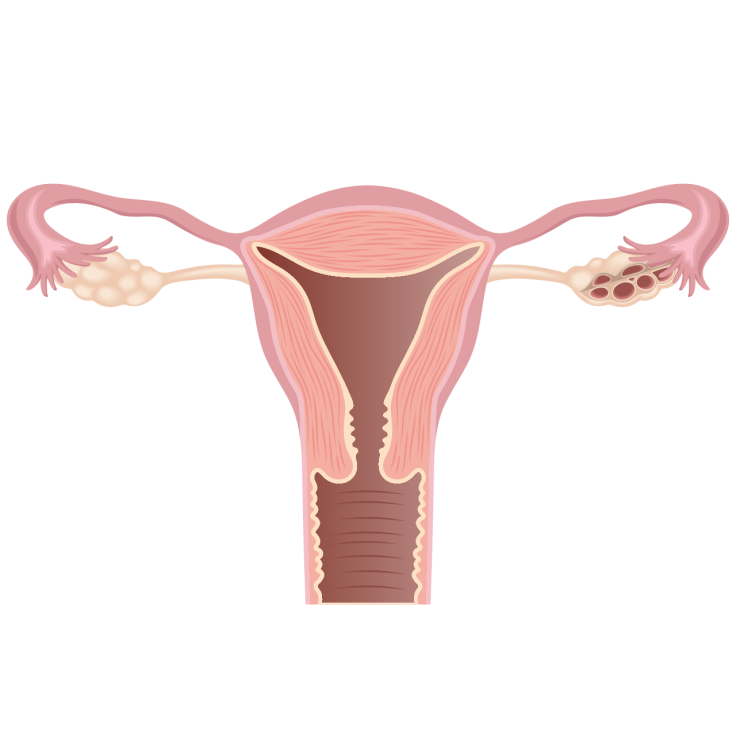
According to the Endocrine Society, there is no increase in abnormal ovarian cysts in those with the condition, strengthening the case that the PCOS label has been misleading from the outset. On its reading, what began as a convenient shorthand turned into a global misunderstanding.
PMOS, Patient Power and a Three‑Year Transition
The scale of the renaming effort is unusual. Teede calls it the largest initiative ever undertaken to change the name of a medical condition. It has been outlined in detail in a paper published in The Lancet, and it did not come from a handful of academics behind closed doors.
The team worked with Professor Terhi Piltonen, president of the International Androgen Excess and Polycystic Ovary Syndrome Society (AE-PCOS Society) in Finland, the society's US-based executive director Anuja Dokras and Rachel Morman, chair of Verity (PCOS UK). Together with 56 patient and professional groups, they ran international workshops and a patient-focused consultation that drew more than 22,000 survey responses.
The name change was announced in a global consensus paper published in The Lancet and led by the International PCOS Network of expertshttps://t.co/24qyyk3xvz
— NDTV Lifestyle (@ndtvLifestyle) May 13, 2026
Teede said the agreed principles for the PMOS name included patient benefit, scientific accuracy, ease of communication, avoidance of stigma, cultural appropriateness and a credible plan for implementation. 'This change was driven with and for those affected by the condition and we are proud to have arrived at a new name that finally accurately reflects the complexity of the condition,' she said, calling it 'a landmark moment' that should trigger advances in clinical practice and research.
Piltonen underlined that cultural realities shaped the final choice. In some countries, explicit reference to reproductive organs or infertility can bring stigma or even harm. 'It was essential that the new name was scientifically correct but also considered across diverse cultural contexts to avoid certain reproductive terms that could heighten stigma and be harmful for women in some countries,' she said. Without that, the group believed any renaming would simply reproduce old problems in a new form.
Lived Experience Demands Better Care
For women living with the condition, PMOS is not just a tidier acronym. It is, in their telling, a demand for accountability.
Australian patient advocate Lorna Berry, who has PMOS and was closely involved in the process, framed it in generational terms. 'This is about accountability and progress,' she said. 'It is about my daughters, their daughters and the countless women yet to be born. We deserve clarity, understanding and equitable healthcare from the very beginning.'
In the UK, Rachel Morman has been pushing for better recognition for years through Verity. As a lived-experience expert on the global panel, she argued that 'polycystic ovary syndrome' misrepresented what women were actually facing. 'It is fantastic that the new name now leads with hormones and recognises the metabolic dimension of the condition,' she said. In her view, that shift will 'reframe the conversation' and force policymakers and clinicians to treat PMOS as 'the long-term, complex health condition it is.'
PCOS is Now Called PMOS. What to Know About the Name Change and What it Means for Care
— The Wire (@thewire_in) May 13, 2026
The name change – made after 14 years of collaboration between experts and patients – was published in The Lancet on Tuesday.
Laura Ungar✍️| @AP https://t.co/ghdzVZBq2q
Even the transition has been carefully staged. A three-year period has been set out, backed by a large education and awareness campaign targeting patients, health professionals, governments and researchers.
The aim is for PMOS to be fully embedded in the 2028 update to the International Guideline on the condition, with resources already being rolled out in multiple languages via Monash University's Centre for Health Research & Implementation.
Nothing about a name change on its own guarantees better care. But for PMOS, the people who have lived under the old label seem determined that this time the language will force medicine to catch up.
© Copyright IBTimes 2025. All rights reserved.
- Recommended For You