Gold Soars to $4,758 as Silver Crashes 40%, Wiping Out Retail Investors After 2026 Peak
Understanding the divergence in gold and silver prices in 2026

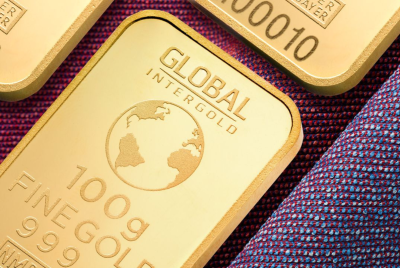
Gold prices remain elevated in early April 2026, trading at around $4,594 (approximately £3,476) per ounce, after recently reaching highs of $4,758 (£3,600) during peak trading. Investors continue to respond to economic uncertainty and currency pressures. Data from GoldPrice.org shows the metal remains near historic levels despite short-term fluctuations, reflecting continued demand for perceived safe-haven assets.
At the same time, silver has seen a notable decline, with prices falling to around $70.42 (£53.28) per ounce. The drop follows a period of heightened volatility in March, when speculative trading activity and shifting market sentiment contributed to sharp price swings.
The divergence between gold and silver has drawn attention from regulators and market participants, with concerns raised about the risks faced by retail investors entering commodity markets during periods of rapid price movement.
Gold Rally Drivers
Gold's performance in 2026 has been supported by a combination of macroeconomic factors, including inflation concerns, currency weakness and geopolitical tensions. According to Reuters and Bloomberg data, central banks have continued to increase gold holdings, reinforcing long-term demand.
Market commentary has also highlighted broader narratives influencing investor behaviour. Robert Kiyosaki wrote on X that rising government debt and inflation could continue to support demand for assets such as gold and silver, although such views reflect personal opinion and are not market forecasts.
INVESTOR SECRET: “lf you want to be a rich investor you have to see the future.”
— Robert Kiyosaki (@theRealKiyosaki) March 30, 2026
Seeing the future today is EASY for two reasons.
1: The National Debt will only go up because governments will only keep printing fake money.
That means inflation will keep going up which…
Institutional demand remains a key factor underpinning prices, helping to explain gold's relative stability compared with more volatile assets.
Silver Price Decline
Silver's recent decline follows a correction after earlier gains, with the move linked in part to profit-taking after a strong rally in preceding weeks. Shifting expectations around global growth and industrial demand have also weighed on prices, reflecting silver's role as both an investment asset and an industrial metal used in sectors such as electronics and solar energy.
The reversal highlights how quickly sentiment can shift in commodity markets. Sharp price movements often reflect changes in investor positioning, particularly when trades are unwound following a rally.
Market Risks And Volatility
The recent price movements have highlighted the risks associated with short-term trading in commodities. MarketWatch has warned that rapid shifts driven by sentiment or online activity can expose retail investors to significant losses.
JUST IN: Gold crashes under $4,350
— Watcher.Guru (@WatcherGuru) March 23, 2026
Over $1 trillion wiped out from its market cap in three hours. pic.twitter.com/47835lFXiT
Gold and silver prices collapse following tonight’s Address to the Nation on the Iran War by President Donald J. Trump. pic.twitter.com/Suptds4SvK
— OSINTdefender (@sentdefender) April 2, 2026
Recent activity also underscores how quickly prices can move during uncertain conditions, with the current environment remaining highly volatile. Financial regulators and advisers continue to emphasise diversification and caution against concentrating investments in a single asset class.
Analyst Outlook
Some market observers suggest gold may face further price adjustments despite its strong performance. In an interview with Kitco News, technical analyst Avi Gilburt said gold could fall towards $3,800 (£2,875) per ounce under certain market conditions, depending on resistance levels and broader technical trends.
He also noted potential downside risks for silver, while adding that lower price levels could present opportunities for long-term investors if market support holds.
Market Outlook
The contrasting performance of gold and silver reflects the complexity of commodity markets in 2026. While gold continues to benefit from its role as a store of value during uncertain periods, silver's dual role as both an industrial and investment asset leaves it more exposed to shifts in sentiment.
With prices remaining sensitive to economic data and geopolitical developments, volatility is expected to persist in the months ahead.
© Copyright IBTimes 2026. All rights reserved.
- Recommended For You