HBO Harry Potter Reboot Slammed for 'Netflix Lighting': What It Is and How It Ruins the Magic
J.K. Rowling has publicly supported the project, while fan reactions remain divided
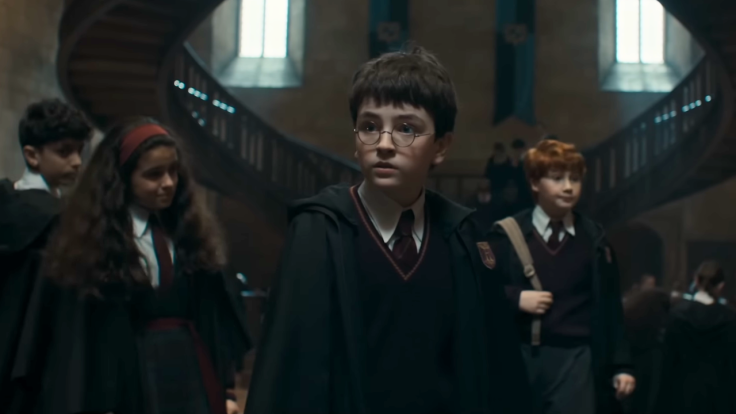
HBO's highly anticipated Harry Potter reboot was meant to bring back excitement and nostalgia around the franchise, but its first teaser has invited all kinds of backlash and scrutiny, one centred almost entirely on how it looks.
Within hours of the trailer's release in late March, fans began criticising its flat, desaturated visuals, comparing them unfavourably to the warm, richly lit world of Harry Potter and the Sorcerer's Stone.
The backlash quickly zeroed in on a now-viral phrase, 'Netflix lighting,' a term used to describe the modern streaming aesthetic that many say is draining the magic out of Hogwarts before the story even begins.
Fans Ask 'What Happened to the Lights'
The teaser's reception was immediate and intense. Viewers pointed to the cool grey-blue palette, the lack of contrast, and the absence of the glowing warmth that defined the early films.
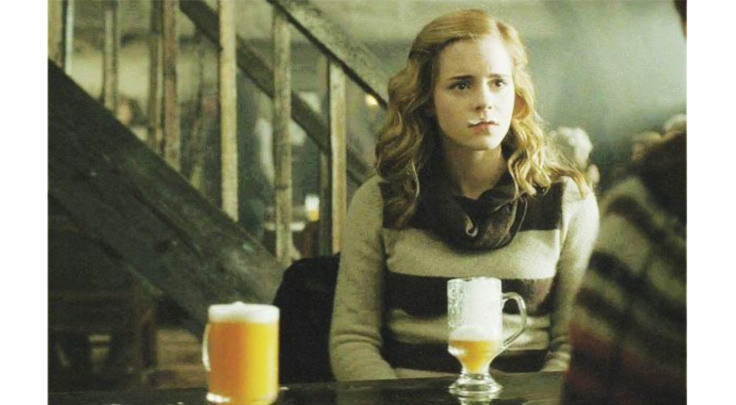
For many, the issue wasn't nostalgia alone. The original Harry Potter films built their identity on visual storytelling through candlelit halls, golden tones, and a sense of wonder that matched Harry's introduction to the wizarding world.
In the reboot, Hogwarts appears more restrained and uniform, with fewer shadows and less visual depth. The result, critics argue, is a version of the story that feels closer to a modern crime drama than a children's fantasy.
What 'Netflix Lighting' Actually Means
Despite the name, 'Netflix lighting' isn't tied to one platform. It's a broader industry shift toward soft, even lighting and low-contrast imagery.

In practical terms, it means fewer harsh shadows, more uniform exposure, and colours that lean muted rather than vibrant. This approach is driven by the realities of modern TV production — faster shooting schedules, multiple cameras, and the need for visuals to translate clearly across everything from smartphones to high-end TVs.
It also makes post-production easier, especially for effects-heavy shows. But the trade-off is artistic: scenes can lose texture, atmosphere, and emotional contrast.
Why It Clashes With Harry Potter
That trade-off is at the heart of the criticism. The early Harry Potter story is built on the contrast between the dullness of the real world and the richness of the magical one.
The original films used lighting to reinforce that shift. Warm tones, directional light, and deep shadows helped create a sense of place and discovery. Hogwarts felt alive, not just because of its design, but because of how it was lit.
In the reboot, that sense of transformation appears less pronounced. By starting with a darker, more subdued look, the show risks flattening the emotional arc that defines the beginning of Harry's journey.
A Broader Shift in Modern Television
The debate goes beyond Harry Potter. Over the past decade, many big-budget series have adopted similar visual styles, favouring consistency and realism over stylisation.
Advances in digital cameras and colour grading have made it easier to create controlled, polished images, but also easier to fall into a uniform look. What once felt cinematic can now feel interchangeable, especially across streaming platforms.
That's why the reaction to the reboot has been so strong. For a story so closely tied to visual magic, even subtle changes in lighting can feel like a fundamental shift.
So far, HBO has not responded to the criticism. Meanwhile, J.K. Rowling has publicly supported the project, while fan reactions remain divided.
© Copyright IBTimes 2026. All rights reserved.
- MOST POPULAR IN Entertainment