

'He Needs to Clean House': GOP Strategist Demands Trump Shake-Up as White House Aides Brace for Departures
GOP strategist John Feehery called the election result a 'huge disaster', while reported preparations for departures and Cabinet changes remain unconfirmed
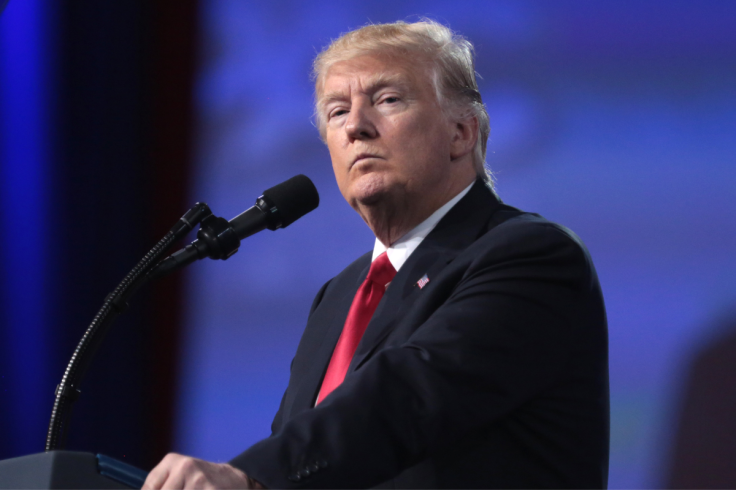
Donald Trump is facing calls to overhaul his White House team after Republicans lost control of Congress, with veteran GOP strategist John Feehery delivering a blunt assessment: 'He needs to clean house.'
Feehery described the election results as a 'huge disaster' for the president. His criticism comes as a senior White House official, speaking anonymously, said aides were preparing for staff departures, possible Cabinet changes and Democratic investigations. These are reported expectations, rather than an announced list of resignations or dismissals.
Republican allies have also urged Trump to reconsider policies they blame for the defeat, including the Iran war and tariffs. Trump, however, has resisted treating the outcome as a personal rebuke, saying he did not view it as a hit on him.
Warnings Began Before Election Day
Anxiety over a potential shake-up was already being reported before voters went to the polls. Accounts published on 20 October described officials and advisers anticipating personnel changes if Republicans suffered substantial losses.
Those accounts, based on interviews with administration officials, advisers and allies, described competition for influence and concern about who might be blamed. They also raised the possibility that some officials could choose to leave rather than remain through the final stretch of Trump's presidency.
The White House disputed that portrayal. In an October statement, spokesman Davis Ingle dismissed the focus on internal dynamics as 'baseless speculation' and said Trump was concentrating on retaining Republican congressional majorities. That response preceded the election and should not be read as a new statement addressing the results.
Wiles Had No Plans to Leave
Chief of staff Susie Wiles was among the officials whose future attracted speculation before the midterms. The October reporting said she had not signalled plans to leave, while Trump had publicly backed her.
That distinction matters as calls for change intensify. An outside strategist demanding an overhaul does not establish that Trump has decided to replace his chief of staff or any particular Cabinet secretary.
Turnover Was Already Substantial
Separate research shows that personnel changes were significant well before the election.
A Brookings Institution tracker, updated on 30 September, put turnover among Trump's senior executive-office staff at 56 per cent. Researcher Kathryn Dunn Tenpas uses the term 'A Team' for the selected senior positions covered by the analysis.
The figure does not mean that 56 per cent of all White House employees have departed. It measures a defined group of senior roles and counts each position only once, even if that job changes hands repeatedly. Cabinet secretaries are excluded from that calculation and tracked separately.
The September findings therefore provide background on an administration already experiencing substantial change. They do not measure departures caused by November's election results.
Earlier departures also had different stated circumstances. Some former aides remained connected to Trump through outside political work, while others moved away from their White House roles. That history makes it important to distinguish a resignation, a reassignment and a dismissal when assessing any further changes.
For now, the immediate development is pressure for an overhaul and reported preparations inside the administration. Feehery's demand puts that pressure into public view, but it is not itself evidence that Trump has ordered a post-election purge.
© Copyright IBTimes 2026. All rights reserved.