UK Set to Outstrip Australia with Social Media Age Ban While Curbing Strangers on Gaming Apps
UK's new social media restrictions aim to protect young users beyond Australia's model
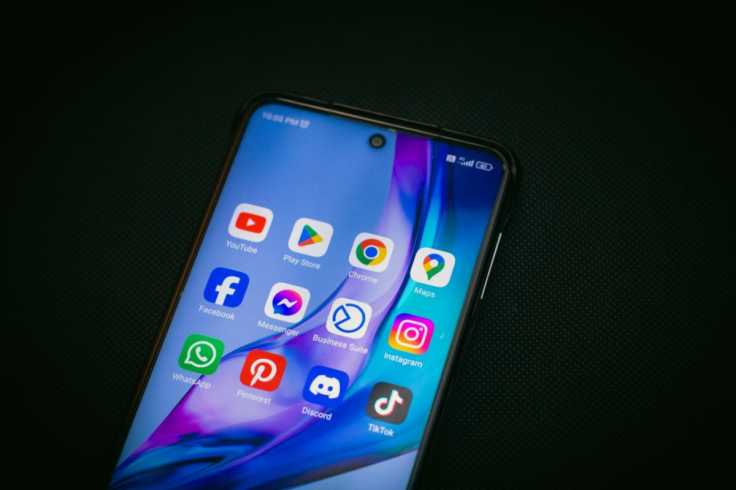
The United Kingdom is poised to announce one of the most sweeping social media crackdowns in the world, set to go further than Australia's own landmark ban that came into force in December 2025. Prime Minister Keir Starmer is expected to bar under-16s from major platforms, including TikTok, Instagram and X, in what the Guardian has described as an 'Australia plus' approach.
Beyond the platform ban itself, the government's plans extend into territory Australia did not cover, with new restrictions on gaming apps, AI chatbot products, and late-night social media access for under-18s also forming part of the package.
Beyond the Australian Blueprint
Australia became the first country to enforce a nationwide under-16 social media ban when its Online Safety Amendment (Social Media Minimum Age) Act took effect on 10 December 2025, covering ten platforms including TikTok, Instagram, YouTube, Facebook, X, Snapchat, Reddit, Twitch, Threads and Kick. Tech firms face fines of up to £26 million (AU$49.5 million) for failing to remove accounts belonging to minors.
The UK's emerging framework appears designed to close the gaps left by the Australian model. Where Canberra focused primarily on social platforms, London is also targeting gaming environments and AI chatbot products. Online products outside the social media definition, including gaming apps, will face new restrictions preventing young users from communicating with strangers. Under-18s would additionally be barred from accessing romantic or sexual AI chatbots, and from social media late at night to curb the effects of late-night scrolling on sleep and mental health. A government source quoted by the Guardian was unambiguous: 'There are no half measures here.'
NEW: Starmer will announce an ‘Australia plus’ teen social media ban on breakfast TV tomorrow
— Katie Tarrant (@KatieTarrant_) June 14, 2026
- Expected to include the same 10 apps as Aus: TikTok, YouTube, X, Instagram among them
- ‘Romantic’ chatbots banned
- 16 + 17 yr olds will have a curfew https://t.co/vh9nI26jtt
Parents and Young People Weigh In
The government said nine out of ten parents backed a minimum age of 16 for accessing major apps in responses to its 'growing up in the online world' consultation. Nearly two-thirds of young people who responded said limiting high-risk features would make them safer online.
Culture Secretary Lisa Nandy, speaking to Sky News on Sunday, declined to pre-empt Starmer's formal announcement but made clear the direction of travel. She said the consultation had shown the 'vast majority' of respondents, including many young people themselves, supported the ban. 'I don't think banning social media on its own is the silver bullet solution,' she told the programme, 'but I do think Australia has shown very clearly that it has a significant role to play.'
Nandy also pointed to a generational concern at the heart of the policy, noting that the ban could stop children 'as young as eight, nine, ten, eleven' from accessing platforms because their peers are on them, at an age when, in her words, they are 'not really emotionally equipped to be able to cope with it.'
Critics Sound the Alarm
Not everyone has welcomed the timing or the scope of the announcement. Ian Russell, whose 14-year-old daughter Molly died in 2017 after viewing harmful content online, accused Starmer of 'gambling with young people's lives' and 'playing politics' by rushing the announcement. Russell called the prime minister's conduct 'deplorable', arguing the move prioritised political optics over considered policy.
So we’re just banning children from accessing vital lifelines if they’re in abusive homes, and from accessing educational materials to support them through the overly demanding exam system. Such a poorly thought out plan. https://t.co/UlBGugtGAj
— Kenzie (@97kenziee) June 14, 2026
Broader scepticism has also emerged over enforceability. According to the Molly Rose Foundation, 61% of under-16s in Australia still had access to social media following the ban's introduction, raising questions about whether a UK equivalent would produce meaningfully different results. Critics have also warned that a blanket ban could leave young people ill-equipped to navigate social media responsibly once they reach the eligible age.
The UK's expected announcement arrives as governments worldwide closely watch Australia's experiment in age-gating social media. If implemented as reported, Britain's model would represent the most expansive national framework yet, reaching beyond established platforms to regulate gaming environments and AI products in a single sweep. How it is enforced, and whether it actually reduces harm, will determine whether other countries follow.
© Copyright IBTimes 2026. All rights reserved.
- Recommended For You