

Prince William, Kate Middleton Fury: Couple's Privacy Violated by Gross Fake AI Photo Wave
Royal expert Jennie Bond warns that convincing fabricated images could damage public trust and prove difficult to control.

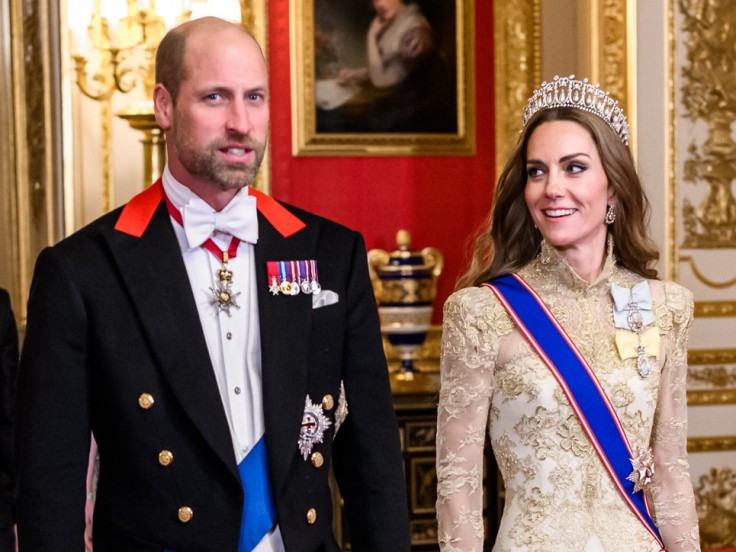
Prince William and Kate Middleton are facing a growing challenge as AI-generated images falsely depicting the couple and other members of the Royal Family continue to spread across social media, prompting warnings from royal commentators that the technology risks misleading the public and intruding on personal privacy.
The reports came after years of increasing scrutiny surrounding the Prince and Princess of Wales, particularly during periods when public information about the family was limited. Questions over authenticity in royal imagery intensified in 2024 when speculation surrounding Kate's health spiralled online following abdominal surgery.
Although Kensington Palace had said she would not return to public duties until after Easter, false claims and conspiracy theories continued to circulate before the Princess later revealed she had been diagnosed with cancer and was undergoing chemotherapy.
Now, according to former BBC royal correspondent Jennie Bond, advances in artificial intelligence have created a fresh and potentially more difficult problem for palace officials to confront.
Caught In New AI Image Challenge
Jennie Bond warned that highly convincing AI-generated photographs are increasingly appearing online, often portraying the Royal Family in situations that never occurred. Some images reportedly show Prince William, Kate and their children in fabricated settings, while others depict royals seemingly endorsing commercial products or taking part in bizarre scenarios.
What makes the issue particularly difficult is the growing sophistication of the technology. Images that once looked obviously manipulated can now appear remarkably realistic, making it harder for casual social media users to distinguish fact from fiction.
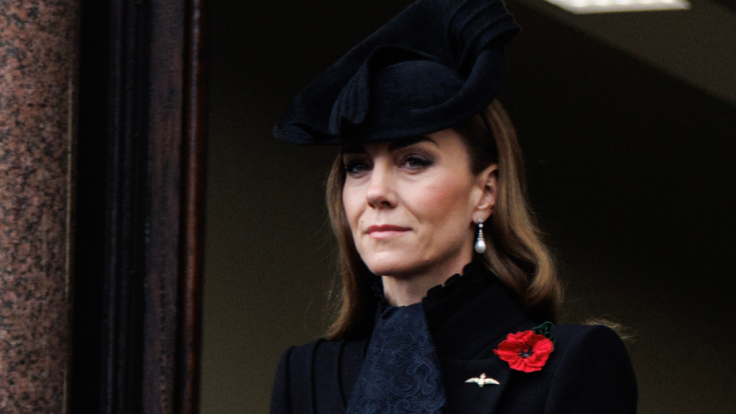
'Yes, it really is a problem — and it seems impossible to know how to solve it,' Bond said.
She argued that image management has become an essential part of modern monarchy, even if royal institutions were once reluctant to acknowledge the importance of public relations.
'Image is important for the monarchy,' Bond explained. 'They used to hate the idea that it mattered, but they are more PR savvy these days, and they concede that it does.'
Her concern is not merely about embarrassment. Bond suggested that widespread circulation of false images and misinformation could gradually influence public perceptions of the Royal Family, potentially altering how individual royals are viewed.

'If false information and lifelike pictures are circulated, their image in the public eye will be altered and quite possibly damaged,' she said.
The warning reflects a broader concern facing public figures worldwide. AI tools have become increasingly accessible, allowing users with little technical expertise to generate realistic photographs and videos within minutes.
For high-profile families such as the Windsors, the sheer scale of public interest means fabricated content can travel rapidly across multiple platforms before questions about authenticity emerge.
Privacy Fears Mirror Wider Royal Concerns
The debate over AI-generated content is not confined to Buckingham Palace. Prince Harry and Meghan Markle have previously expressed concerns about the future direction of artificial intelligence and the risks associated with increasingly powerful systems.
Earlier this year, the Duke and Duchess of Sussex joined other public figures in signing an open letter addressed to major technology companies, including Google and Meta. The appeal urged caution over the development of what was described as 'superintelligent' AI.

Harry also included a personal statement as part of the initiative.
'The future of AI should serve humanity, not replace it,' he said. 'I believe the true test of progress will be not how fast we move, but how wisely we steer. There is no second chance.'
For Bond, however, the issue extends beyond misinformation and enters the territory of personal rights. She described the creation and sharing of realistic fake images as a serious intrusion into privacy, particularly when those depicted are constantly under public scrutiny.

'It also seems like a gross invasion of their privacy, indeed of anyone's privacy, if pictures that seem so real are shared,' she said. 'And, of course, if you're royal, they'll get shared big time.'
The former royal correspondent believes lawmakers may eventually need to strengthen protections around image rights as AI technology continues to evolve. While she acknowledged she is not a legal expert, Bond argued that existing safeguards may struggle to keep pace with the speed and sophistication of emerging digital tools.
For now, she offered a simpler warning to the public. In an online environment increasingly filled with convincing fabrications, she said people should think twice before accepting every image they encounter on social media as genuine.
© Copyright IBTimes 2026. All rights reserved.