Indian Father Who Wants Israel to 'Ethnically Cleanse Whole Gaza' Loses Son in US Strike
A father's controversial past comments on Gaza resurface after his son's tragic death in Oman.

The brutal reality of global conflict hit home for an Indian family this week under the most tragic and ironic circumstances. Rajesh Sharma, an online commentator who previously triggered widespread outrage by advocating for the complete erasure of Palestinians from Gaza, is now mourning his own son.
Sharma's son, Aditya Sharma, a young Indian seafarer, was among the three killed during a devastating American military strike on a commercial vessel operating off the coast of Oman. The incident has thrust the grieving father into the centre of a fierce international debate regarding empathy, warfare, and online accountability.
'It Is a War Crime'
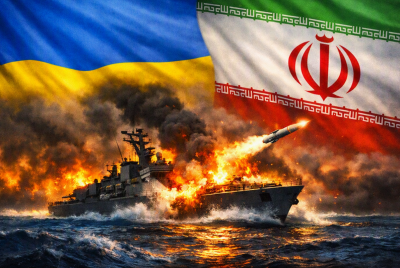
The fatal incident occurred amid escalating geopolitical hostilities that have turned regional shipping lanes into active combat zones. Sharma recounted his last conversation with his son before the US strike with NDTV.
According to him, the family panicked after learning about an attack in Oman on Sunday. The father was briefly reassured when his son sent a WhatsApp message on Monday confirming his safety. Tragically, just one hour after sending that final update, his son's own vessel was targeted in a fatal strike.
'I will say it is a war crime to attack a commercial ship with a missile,' the grieving dad said during the phone interview. 'There are a lot of ways to control those cargo ships, you can send a military, you can arrest the crew members, you have no right to attack them with deadly missiles.'
The maritime assault highlights the extreme dangers currently facing commercial crews operating in the Middle East. There are an estimated 20,000 seafarers aboard vessels stuck in the Gulf as Iran imposes restrictions on movements through the Strait of Hormuz. The bereaved father has now directed his pleas toward federal authorities to prevent further loss of innocent life at sea.
'Everyone knows that since February, the Gulf has been vulnerable because of the US-Israel war against Iran. Many ships are facing issues. I request the government to make sure shipping lines allow their ships through the Strait of Hormuz only after the situation is normal again,' the victim's father added.
Aditya was Rajesh's only son.
Prevailing Rhetoric And Previous Gaza Tweets
The tragedy has drawn intense public scrutiny due to Sharma's highly controversial social media footprint regarding the ongoing conflict in Gaza. Before the hostilities directly impacted his household, the father was a vocal digital supporter of aggressive military actions in the Palestinian territory.
His public statements frequently endorsed extreme measures, which critics have long condemned as calls for systemic war crimes. In one of his most prominent online posts, the father explicitly advocated for the total displacement and eradication of the local population.
'I think Israel should now ethically cleansed whole Gaza and make it Non Muslim territory. This is only solution to maintain peace there. Kudos to Mosad and @IDF,' he wrote.
The emergence of this specific post has shifted the narrative from a standard wartime tragedy to a highly polarising discussion on the ethics of cheering for violence from afar.
Social Media Confrontation And Calls For Humanity
As news of Aditya's death spread across digital spaces, internet users quickly linked the tragedy back to the father's historical commentary. A massive wave of reactions erupted on Facebook, with numerous observers pointing out the stark, tragic irony of the situation.
Some commentators viewed the event through the lens of cosmic retribution, with online reactions stating, 'Karma is on "Sharma,"' and 'What goes around, comes back around.'
Conversely, a significant portion of the public fiercely defended the family's right to grieve without facing digital harassment. Many users actively discouraged others from weaponising the young sailor's death against his father, urging restraint and basic human decency.
'Guys, whatever he commented was his opinion. But he lost his son. Don't bring religion in. Death anywhere or loosing [sic] close ones is painful,' one wrote. Another added, 'Never make fun of someone's helplessness, pain, or death. The suffering we ignore today could become our own tomorrow.'
Ultimately, the unfolding online discourse has forced a deeper reflection on how internet users respond to profound human suffering. Meanwhile, the international shipping community continues to monitor the volatile coastline of Oman as families push for safer transit corridors.
© Copyright IBTimes 2026. All rights reserved.
- Recommended For You