

Ian Huntley Trial Hears Claim Triple Killer Planned Prison Attack on Soham Child Killer Weeks Before
Russell initially denied murder on grounds of diminished responsibility before changing his plea to guilty at Newcastle Crown Court
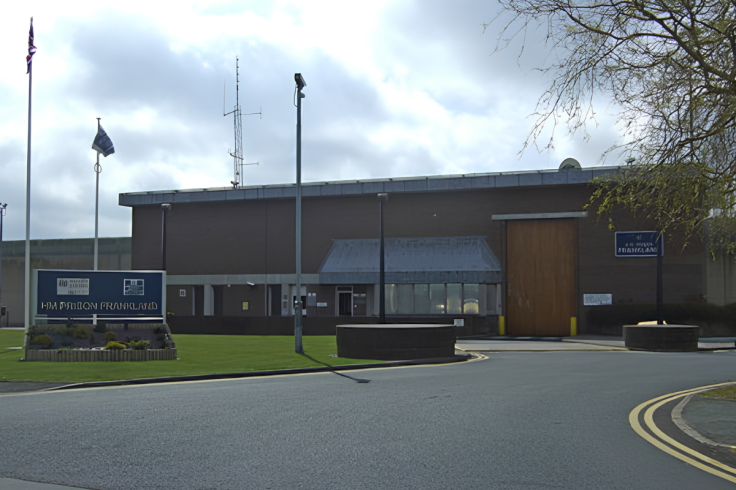
The Ian Huntley trial has heard that inmate Anthony Russell allegedly planned the fatal prison attack on the Soham murderer weeks before he struck him with a metal bar at HMP Frankland in County Durham. Russell, 44, changed his plea to guilty of murder on the second day of proceedings, having initially denied the charge.
The prosecution told Newcastle Crown Court that Russell, who is serving a whole-life sentence for killing three people in 2020, carried out a 'cold-blooded murder' driven by a personal grievance against Huntley. Russell initially admitted causing Huntley's death but denied murder, with his defence arguing diminished responsibility.
Alleged Grievance Behind Prison Attack
Huntley was serving a life sentence after being convicted of murdering Holly Wells and Jessica Chapman in Soham, Cambridgeshire, in August 2002. Prosecutor Matthew Bean KC told jurors that Huntley's crimes had 'aroused feelings of disgust and anger', but said the case was focused on how he died rather than his own offending.
'Ultimately, this case is not about the appalling actions of Ian Huntley during his life, but the manner of his death,' Bean told the court.
The prosecution said Russell and Huntley had experienced tension over several months while serving their sentences on HMP Frankland's A wing. The court heard the pair had exchanged threats, with earlier disputes between them recorded before the fatal attack.
Bean told jurors that Russell had allegedly developed a grievance against Huntley, who he claimed had bullied him and had been 'getting in my face'. The court heard Russell later told prison staff that Huntley had been 'pushing my buttons' and 'winding us up'.
The prosecution said Russell had told the prison governor he felt he had reached a point where he had nothing to lose. During his opening address on Monday, prosecutor Matthew Bean KC told jurors they would see footage of Russell explaining his actions following the attack.
Details of Metal Bar Attack Revealed
The court heard the attack took place on 26 February in a prison recycling workshop where both men worked. Bean said there had been no raised voices or obvious signs of tension immediately before the incident, before a commotion broke out involving Russell and Huntley.
Jurors were told that four orange metal bars, each weighing 4kg and measuring 1.2 metres, were kept in the workshop as stillage posts used for stacking items on pallets. A witness was expected to tell the jury they saw Russell strike Huntley on the head six times with one of the bars.
Huntley was taken to the Royal Victoria Infirmary in Newcastle after being found unconscious with serious brain injuries. Treatment included removing part of his skull to reduce pressure on his brain, but he did not regain consciousness. Treatment was later withdrawn, and he died on 7 March.
The prosecution said Russell later told police he intended to kill Huntley, claiming he had struck him several times with the metal bar. Bean said the prosecution's case was that the attack was driven by Russell's personal grievance rather than an immediate threat.
Russell initially argued he was not guilty of murder because of diminished responsibility. The court heard he claimed he had been experiencing mental health symptoms, including hearing voices, although prosecutors disputed that account. He subsequently changed his plea to guilty of murder.
Justice Hilliard KC reminded jurors that the trial must be fair and not influenced by emotion or prejudice because of the identities of those involved.
© Copyright IBTimes 2026. All rights reserved.