King Charles Excluded by 'White Briton' Test Behind Rupert Lowe's 2063 Warning
Rupert Lowe refused to say whether the monarch qualified under the parent-based definition behind his demographic warning
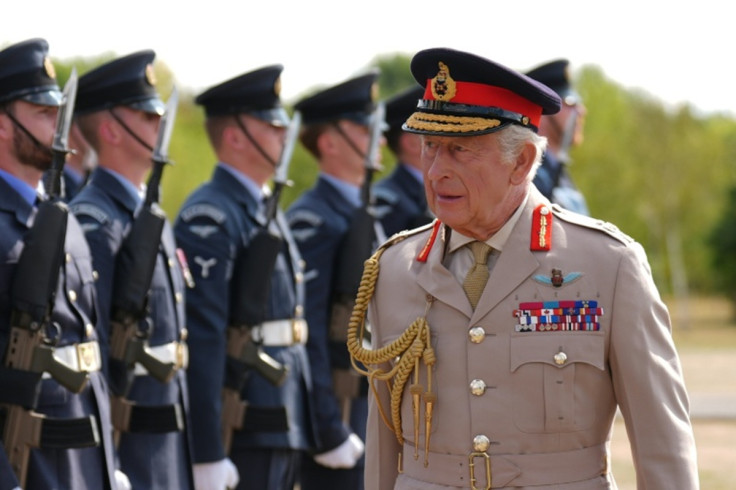
King Charles would not qualify as a 'white Briton' under the definition behind a demographic warning promoted by Restore Britain leader Rupert Lowe.
The classification requires both parents to have been born in the UK. Charles fails that test because his father, Prince Philip, was born on the Greek island of Corfu.
The unexpected result emerged during a tense radio interview in which Lowe was repeatedly asked whether he considered Britain's monarch a white Briton. He declined to answer directly, raising questions about the methodology behind his claim that white Britons will become a minority by 2063.
Lowe Refuses to Classify the King
Lowe was challenged over the definition used in the demographic projection during an interview on Thursday.
The presenter noted that Charles would be excluded because Prince Philip was born outside Britain, despite the King having been born in London and spending his life representing the country.
When asked whether he considered Charles a white Briton, Lowe said people had different interpretations and suggested the discussion was 'splitting hairs'.
He declined to provide a clear answer. Instead, he repeated his warning about demographic change and maintained that the white British population would fall below 50 per cent if current trends continued.
Where Did the 2063 Forecast Come From?
The projection was published in 2025 by the Centre for Heterodox Social Science and written by political commentator Matthew Goodwin.
It predicted that the white British share of the UK population would fall to approximately 57 per cent by 2050 before dropping below 50 per cent in 2063.
The estimate is not an official government population forecast. It is a projection based on assumptions involving immigration, birth rates, deaths and how future generations may identify themselves.
Long-term demographic estimates can change considerably if migration policies, economic conditions or fertility rates shift.
The report's parent-based classification also differs from the ethnic categories used in the UK census. People can identify as 'White British' without being required to establish where their parents were born.
King Charles Exposes a Problem With the Test
Charles demonstrates how ancestry-based classifications can produce results that clash with common understandings of British identity.
His mother, Queen Elizabeth II, was born in London. Prince Philip was born in Corfu as a prince of Greece and Denmark before becoming a naturalised British subject ahead of his marriage in 1947.
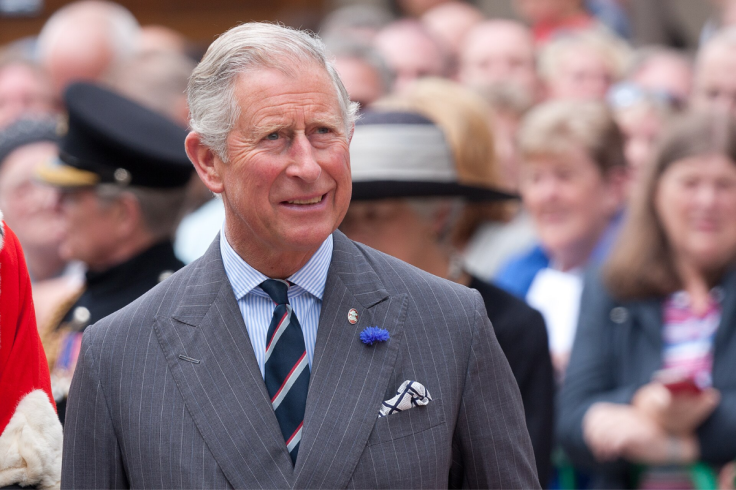
Charles was born at Buckingham Palace, has lived in Britain throughout his life and became King in 2022. Nevertheless, the definition behind the 2063 projection would place him outside the group being measured.
The same test could exclude millions of people born and raised in Britain because one or both parents were born abroad, regardless of their citizenship or how they identify.
Debate Shifts to British Identity
Lowe promoted the projection while calling for cooperation between Restore Britain and Nigel Farage's Reform UK.
The interview widened into an argument about immigration, religion and national identity. Lowe maintained that Britain was undergoing rapid cultural and demographic change but faced repeated questions about the evidence supporting his claims.
The exchange did not dispute that the country's population is changing. However, it showed that the date attached to Lowe's warning depends heavily on the definition used and who is included.
By excluding even the monarch, the test has shifted attention from the 2063 prediction to a more fundamental question: who gets to be counted as British?
© Copyright IBTimes 2026. All rights reserved.
- Recommended For You