

Massachusetts AG Calls for Law Change After Catholic Abuse Probe Finds Nearly 1,000 Children Abused
Attorney General Andrea Joy Campbell called for the removal of civil claim time limits and a permanent lookback period after a four-year investigation into three dioceses
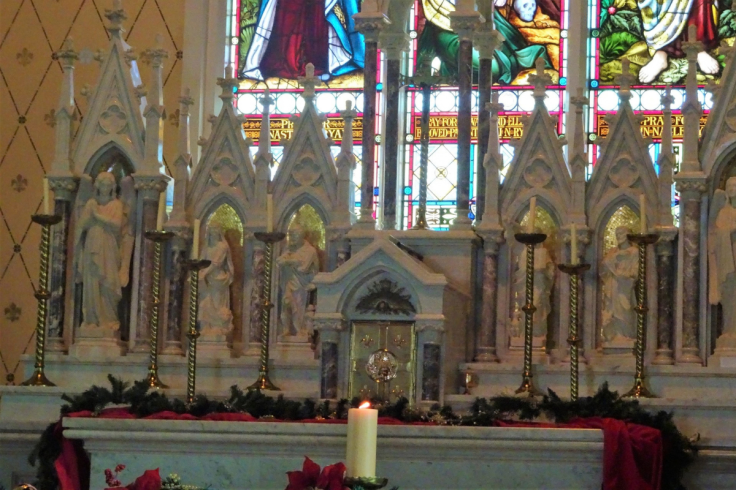
Massachusetts Attorney General Andrea Joy Campbell has called for sweeping changes to state law after an investigation found that more than 270 Catholic clerics abused nearly 1,000 children across three dioceses in Massachusetts.
The Massachusetts Catholic abuse probe, published on Wednesday 30 September, concluded that children were abused by clergy in the dioceses of Fall River, Springfield and Worcester.
Campbell's office urged lawmakers to remove legal barriers that can prevent survivors from pursuing civil claims. The recommendations include eliminating the civil statute of limitations and creating an indefinite lookback period for claims that have already expired.
The investigation began in 2019 and involved the review of more than 300,000 pages of records. Investigators also interviewed more than 100 people, including survivors, advocates, lawyers, clergy, diocesan officials and employees.
Despite the scale of the findings, the attorney general's office said no new indictments arose from the investigation itself. Three cases were referred to district attorneys, and one Worcester County referral resulted in criminal charges being issued in District Court.
Catholic Abuse Probe Details Decades of Institutional Failures
The report documents what investigators described as decades of failures by diocesan leaders to respond adequately to allegations of child sexual abuse.
Investigators found instances in which church leaders failed to act on allegations and warning signs. Accused and offending priests were also transferred to other parishes without the reasons for their transfers being disclosed.
According to the report, some priests were returned to ministry following treatment without adequate supervision. Restrictions were not always meaningfully enforced, reasons for removals were sometimes concealed and allegations were not consistently reported to law enforcement.
'For decades, survivors of clergy sexual abuse, including those who are no longer alive, have carried the devastating consequences of abuse,' Campbell said. She added that institutions entrusted with children's care had too often failed to protect them.
The attorney general's office acknowledged that reforms were introduced after widespread public exposure of clergy sexual abuse in 2002. The three dioceses established child-protection and victim-assistance offices, strengthened review processes and introduced training and background checks.
However, investigators said written policies were not consistently followed. The report said exceptions sometimes undermined protections intended to keep children safe.
Massachusetts AG Pushes Changes to Civil Abuse Laws
Campbell's office is now urging state lawmakers to expand the legal avenues available to survivors of childhood sexual abuse.
Its recommendations include eliminating the $20,000 charitable-immunity cap for civil child sexual abuse claims. The office also wants the statute of limitations for those civil claims removed and an indefinite lookback period established.
The recommendations reflect legal obstacles investigators encountered while examining whether criminal prosecutions remained possible.
The attorney general's office said some conduct identified during the investigation was not criminal under Massachusetts law when it occurred and cannot be prosecuted retroactively. In other cases, the applicable statute of limitations had expired. Many individuals identified in the report are also deceased.
'Any legal limitations do not diminish the seriousness of what this investigation found,' the office said. It added that criminal law cannot provide justice for every survivor today.
Catholic Abuse Probe Highlights Worcester Transparency Gap
The investigation also raised continuing questions over transparency within the Worcester Diocese. According to the attorney general's office, Worcester remains the only diocese in Massachusetts that does not maintain a publicly accessible list of credibly accused clergy.
The report called on Fall River, Springfield and Worcester to improve how they receive and investigate allegations. It recommended trauma-informed responses, independent investigations and stronger monitoring of restrictions placed on accused or offending priests.
Investigators also urged the dioceses to make information about credibly accused clergy more accessible and to strengthen institutional oversight so child-protection policies are consistently followed. The report stressed the human impact behind its figures.
'We deeply understand that behind every number is a child whose safety was violated, a family that was changed, and a survivor who has carried the trauma of that abuse for years, and in many cases, decades,' the attorney general's office said.
Campbell's office said the report should serve as a renewed push for Massachusetts lawmakers to strengthen civil remedies available to survivors. Any changes to the charitable-immunity cap, statute of limitations or lookback provisions would require action by the Massachusetts Legislature.
The attorney general also thanked survivors who came forward during the investigation, saying their accounts were central to the report's findings. The office said its recommendations are intended to give survivors greater opportunities to seek justice where statutes of limitations and other legal restrictions currently limit claims.
© Copyright IBTimes 2026. All rights reserved.