World's Oldest President Returns After Record Absence as Questions Swirl Over Who Was Running Cameroon
Cameroon's President Paul Biya ends record absence, raising questions about leadership and health
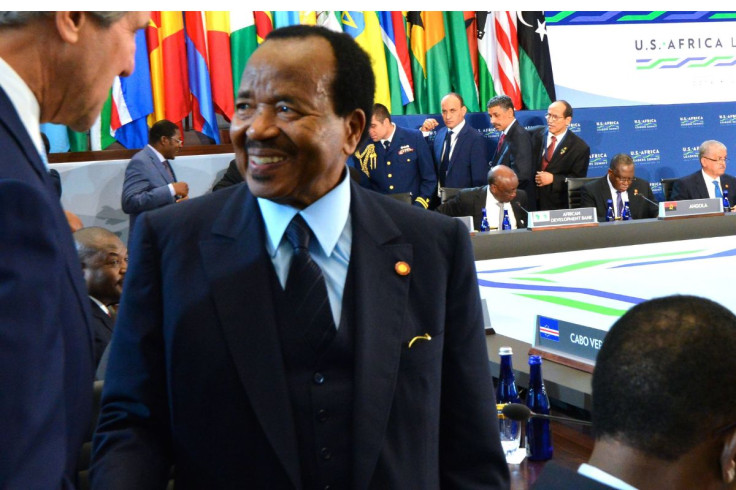
Paul Biya, Cameroon's 93-year-old president and the world's oldest head of state, has returned to Yaoundé after a record 73 days abroad, following weeks of speculation over his health and who was running the country in his absence.
His prolonged stay in Switzerland, first described by his office as a 'brief private stay', had intensified questions about leadership and succession in Cameroon.
Paul Biya arrived on a chartered flight from Geneva with First Lady Chantal Biya after leaving Cameroon on 7 June. His office had initially described the trip as a 'brief private stay', but he remained abroad for 73 days.
Biya's return ended the longest recorded absence of his nearly 44-year presidency. During his time abroad, opposition figures claimed Cameroon had been left on 'autopilot', with senior party officials and family members handling day-to-day affairs.
CPDM Insists Biya Ruled From Geneva
The ruling Cameroon People's Democratic Movement (CPDM) and senior government officials denied there had been any institutional vacuum. They insisted Biya continued to oversee state affairs from Switzerland during his absence.
The CPDM said Biya continued to govern from Switzerland, signing official decrees throughout his absence. These included approving international loans and ordering a major reshuffle of Cameroon's military leadership on 4 August 2026.
Officials also pointed to Cameroon's constitution, which sets no limit on how long a president can remain abroad. The CPDM used the provision to push back against calls for Biya to return. Higher Education Minister James Fame Ndongo was among those who maintained that Biya remained fully engaged with government business.
Opposition Demands Biya's Seat Be Declared Empty
Opposition figures described the situation as an 'institutional vacuum' and said ruling by decree from abroad was no substitute for active presidential leadership.
They argued Cameroon needed its president back in the country, not governing remotely from Switzerland. Univers party leader Prosper Nkou Mvondo dismissed Biya's return as meaningless.
He said: 'It makes no difference whether he returns or stays away. When he is here, he does nothing,' and refused to take part in what he called a 'spectacle'.
Frustrated opposition politicians urged the Constitutional Council to consider declaring Biya's office vacant. The council declined to intervene.
Reasons for Biya's Long Absence Remain Unclear
Biya's age and unusually long absence fuelled persistent rumours that he was receiving medical treatment at a clinic in Geneva. The speculation intensified as questions grew over his health and ability to govern.
However, the Cameroonian government firmly denied that he had been hospitalised. No official explanation was given for the duration of the trip beyond the original characterisation of a private stay.
Biya has long faced criticism for spending extended periods in Europe, particularly France and Switzerland. But his latest stay abroad was the longest of his nearly 44-year presidency.
Vice President Post Empty as Succession Questions Grow
The controversy has also deepened over who could succeed Biya. Parliament reinstated the post of vice president in April, a move opposition parties condemned as a 'power grab'.
Under the reinstatement, Biya retains full control over the vice president's post, with the power to appoint and dismiss whoever holds it. He also decides which powers the vice president can exercise.
Despite the post being restored months ago, Biya has yet to appoint a vice president. Critics said the vacant role, combined with a long-delayed cabinet reshuffle, had left Cameroon politically paralysed.
Under Cameroon's constitution, the Senate president, Aboubakary Abdoulaye, would take over as interim leader if the presidency were declared vacant due to death, resignation or permanent incapacity. A new election would then be organised to choose a successor.
Biya waved to supporters from his vehicle after arriving in Yaoundé but did not hold a public briefing or speak directly to the crowd. His return did little to settle questions over his ability to govern or Cameroon's political future.
© Copyright IBTimes 2025. All rights reserved.
- Recommended For You