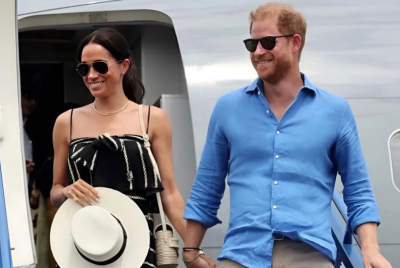
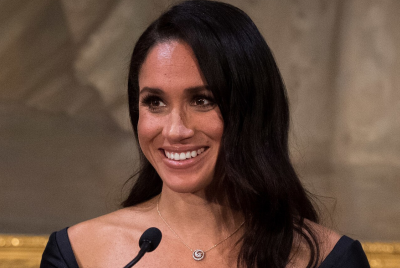
Prince Harry 'Security Snub': Home Office Fears Public Backlash Over Multi-Million Taxpayer Bill
A duke in limbo, a committee divided, and a bill no one in Whitehall is willing to sign.
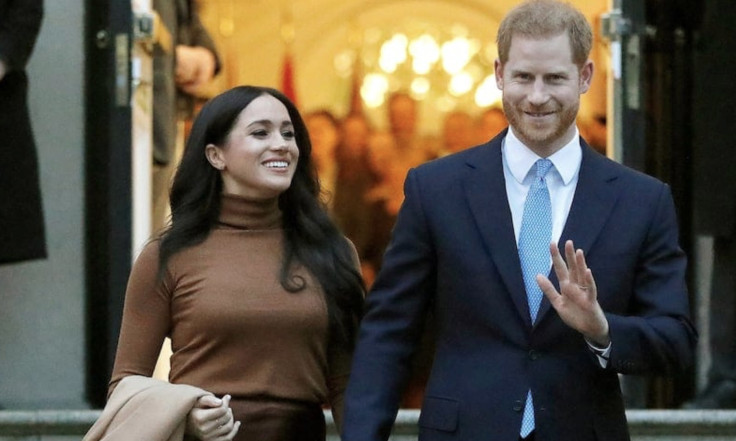
Prince Harry is set to be denied taxpayer-funded police protection in the United Kingdom, after senior Home Office officials reportedly concluded that restoring his security detail would trigger a significant public backlash over the cost to the British taxpayer, it emerged on Sunday.
The Duke of Sussex and his wife Meghan voluntarily stepped back from their roles as senior working royals in January 2020, a move that eventually stripped them of the round-the-clock Metropolitan Police protection ordinarily afforded to members of the working royal family. Since then, Harry has funded his own private security arrangements, which industry experts estimate cost about $3 million, or roughly £2.3 million, a year.
The latest development comes after Harry lost a High Court challenge last year seeking to have his state-provided protection formally reinstated. He publicly branded that ruling a 'good old fashioned establishment stitch up' and subsequently appealed directly to then-Home Secretary Yvette Cooper, urging her to review the case 'very, very carefully.' He also called on the prime minister to intervene. Despite those efforts, officials now appear inclined to leave the decision unchanged, and the tension between political risk and genuine security necessity has never been more openly exposed.
Prince Harry Security Row Lays Bare the Whitehall Divide
A Home Office source told The Telegraph that the Royal and VIP Executive Committee, known as Ravec — the body responsible for determining protection arrangements for royals and other high-profile individuals — is deeply divided on the question. 'There is nervousness among certain members of the committee who fear a public backlash,' the source said. 'The political side believe there is too much political risk while the police and security chiefs believe that he absolutely must have it due to the extant threat.'

That split is rather telling. On one side, those with actual security expertise are reportedly convinced that Harry remains a credible high-risk target, a view shaped in part by his military background and sustained public profile. On the other, senior civil servants from the Home Office, Cabinet Office and Foreign Office are reportedly alarmed by what restoring his protection would look like to a British public already grappling with a difficult economic climate. The politics, in short, are overriding the professionals.
Harry himself has repeatedly argued that the risk to his family is real and present. His legal team told the High Court that his 'manifestly inferior' private security arrangements placed his life 'at stake,' a claim the government has neither confirmed nor directly rebutted in any meaningful public detail. What seems clear is that the threat assessments of the security professionals and the political calculations of Whitehall mandarins are pulling firmly in opposite directions, and for now, the politicians appear to be winning.
The Stalker Incident That Fuelled Harry's Security Battle
The duke's concerns were given an uncomfortably concrete illustration last year. A woman allegedly breached a secure area at a charity event in September at which Harry had been afforded a single day of police protection. Days later, without any officers present, the same woman reportedly came within a 'stone's throw' of him at Imperial College London, where she was intercepted by his private team. Harry's lawyers cited the incident in court as evidence that his current arrangements are simply not fit for the level of threat he faces.
Under the existing provisions, Harry is required to give the Metropolitan Police a minimum of 30 days' notice before any visit to the United Kingdom, with his security status then assessed individually on each occasion. Critics argue this creates a problematic window of vulnerability between his travel plans becoming known and any formal protection being sanctioned.
The human cost sits quietly behind all of this. The Sussexes' children, Archie, 6, and Lilibet, 4, have not seen their grandfather King Charles since the late queen's Platinum Jubilee celebrations in 2022, with Harry's inability to guarantee their safety in the UK widely understood as the principal reason the family largely stays away.
The financial dimension has done little to strengthen Harry's public standing. A 2024 visit to Colombia reportedly cost the host nation approximately $2 million in security expenses, drawing considerable criticism given the country's economic pressures. Harry has previously told Oprah Winfrey that the royal family cut him off financially following Megxit, though it is the absence of official British protection that has reportedly proved the more persistent grievance.
A government spokesperson, when contacted, offered little by way of fresh clarity, saying, 'The UK government's protective security system is rigorous and proportionate. It is our long-standing policy not to provide detailed information on those arrangements.'
© Copyright IBTimes 2026. All rights reserved.
- MOST POPULAR IN Royals