Prince Harry, Meghan Markle's Australia Tour Branded A 'Shameless Circus' Designed To Use Monarchy As Cash Machine
A former prince and his duchess are discovering that when you turn the Crown into a business model, the bill rarely arrives quietly.
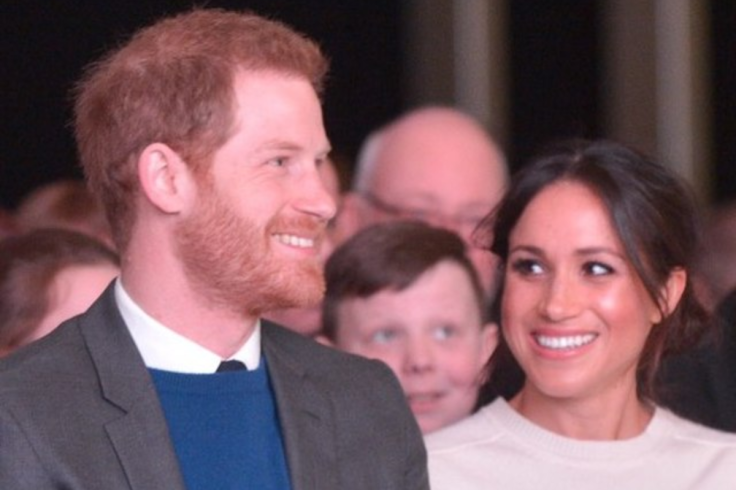
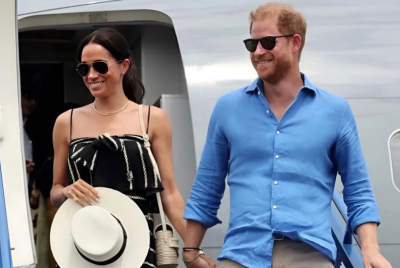
Prince Harry and Meghan Markle's high-profile tour of Australia in October has been branded a 'shameless circus' by critics, who accuse the couple of using their lingering royal status as a cash machine while Australian taxpayers help fund their security.
The trip by Prince Harry and Markle was billed as a mix of charity engagements and commercial events, echoing the structure of an official royal visit while remaining firmly private. The couple, who stepped back from frontline royal duties in 2020 and now live in the United States, arrived without their children but with a schedule that combined hospital walkabouts, a visit to a women's refuge, and paid speaking and wellness appearances carrying hefty price tags.
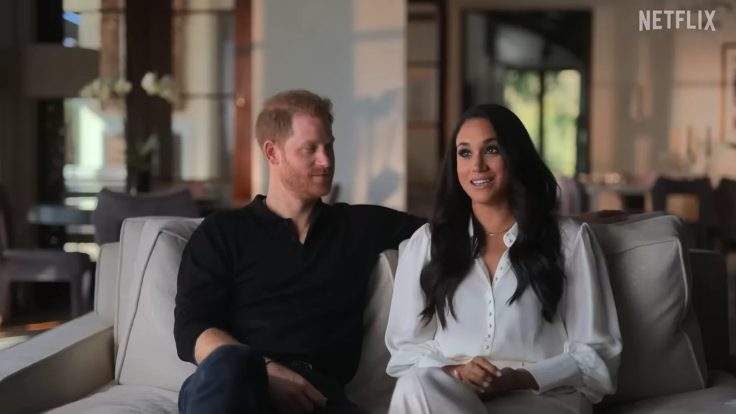
It is that blend of public symbolism and private profit that has triggered such a sharp backlash in parts of Australia and Britain. The tour leans heavily on Harry's birthright and former position in the House of Windsor. The handshakes with sick children, the photo opportunities in care settings, the carefully choreographed hugs, all the familiar language of a royal tour, but this time with more cameras and more branding.
To critics, the line between philanthropy and personal enrichment has been trampled rather than blurred. The analogy one columnist reached for was not subtle. The pair, they argued, have turned themselves into a 'Victorian circus freak show,' a travelling spectacle people feel faintly ashamed of watching but somehow cannot quite ignore.
If two unrelated millionaires with no medical role were to wander among vulnerable patients, the argument goes, most people would expect security to step in. Yet when it is Prince Harry and Markle, the red carpet rolls out and the footage feeds straight into their global brand.
Prince Harry, Meghan Markle And The ATM Accusation
The language has been equally unforgiving from sections of the Australian press. The Sydney Morning Herald ran a notably blunt editorial accusing the Sussexes of treating the country as a bank on legs. 'Australia was good to Harry and Meghan. Now they want to use us as an ATM,' the paper argued, in a line now being gleefully repeated by their critics in Britain.
Behind the rhetoric sits a genuine sensitivity. Support for the British Crown in Australia has been hovering in a narrow, uneasy band. A cited survey found that only 43 per cent of Australians favoured retaining the constitutional monarchy, with 41 per cent backing a republic. That is not a crisis, but it is not comfort either. The image of the royal family remains tightly woven into how many abroad still see Britain itself. When that image is dragged into what appears to be naked commercialism, some in London and Canberra fear the collateral damage.
So when Prince Harry and Markle arrive and begin to act out a sort of quasi-royal roadshow, critics see more than just a celebrity tour. They see a delicate constitutional brand being pulled into a private business venture, after the couple have spent years publicly attacking the very institution that gives their names such weight.
Security Costs, Pricey Tickets And Mounting Frustration
Underneath the symbolism lies the question that tends to rile voters the most: who pays? In Australia, anger has been building over reports that local taxpayers will be asked to cover some of the couple's police protection while they are in the country. Tens of thousands of people have signed a petition demanding that Harry and Meghan fund their own security arrangements.
One outspoken voice has been Victorian MP David Limbrick, who did not bother with diplomatic phrasing. 'If people want to spend thousands of dollars on former royals, that's fine. But Victorian taxpayers should not be on the hook to provide the security of millionaires,' he said, distilling a mood that blends irritation with a sense of being taken for granted.

Set against those public costs are the prices being charged to see the couple in more curated surroundings. Meghan's 'Her Best Life' retreat at Coogee Beach offers a weekend of wellness, culminating in a gala dinner at a five-star hotel where attendees can pose for a photograph with the duchess and ask questions. Tickets reach up to about £1,400, and Meghan's personal fee has been reported at around $250,000.
Harry, for his part, is the keynote speaker at the InterEdge Summit in Melbourne, a conference focusing on workplace bullying. Ticket prices run from roughly £525 to £1,250. The arithmetic is not difficult: whatever their message on mental health or empowerment, these are extremely lucrative platforms built on titles they have loudly distanced themselves from, but never quite surrendered.
What is not in dispute is that none of the core allegations about the tour's financial arrangements has been independently verified, and official breakdowns of costs and fees have not been published.
Their defenders would say they are simply earning a living in the only way global figures of their stature realistically can, harnessing fame to fund causes and lifestyles. Their detractors see something closer to brazen hypocrisy, a couple who declined to 'do a bit of work' for the monarchy yet continue to mine it whenever there is a cheque to be signed.
© Copyright IBTimes 2026. All rights reserved.
- Recommended For You