Prince William Has Reportedly 'Made His Mind Up' About Kilts Because Royal Commentator Says He 'Doesn't Like'
Prince William reportedly dislikes wearing kilts and may leave King Charles' long-standing Scottish style tradition behind

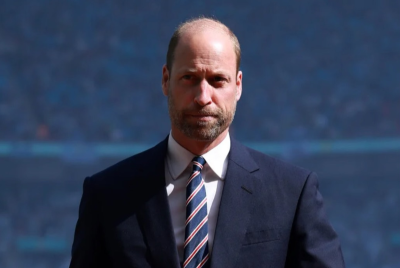
Prince William reportedly has no intention of wearing a traditional kilt during official visits to Scotland, according to royal commentator Phil Dampier. The Prince of Wales made that choice apparent again on 17 September, when he visited the Isle of Bute with Catherine, Princess of Wales, in trousers rather than Highland dress.
The claim contrasts sharply with King Charles III's enthusiasm for kilts. The King regularly wears tartan during visits to Scotland, including a special King Charles III tartan at the Braemar Gathering on 5 September.
Prince William's Kilt Choice Draws Attention
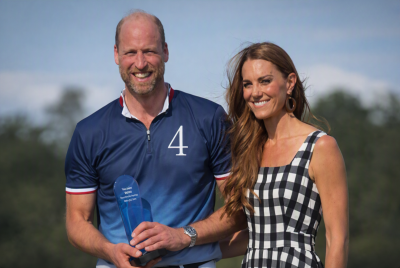
The news came after William and Catherine visited Rothesay on the Isle of Bute, where they used their Scottish titles, the Duke and Duchess of Rothesay. William wore navy trousers, an olive-green jacket and a brown jumper over a white shirt. Catherine chose a similarly autumnal outfit, pairing earthy tones with a brown coat.
Neither outfit featured the kilt, one of the most recognisable symbols of royal life in Scotland.
Dampier told the Daily Mail that William's decision was not an oversight. He attributed it to the prince's personal dislike of the garment and his tendency to remain firm once he has reached a decision.
'He doesn't want to and has never been seen wearing a kilt in Scotland, whereas King Charles will don a kilt at the drop of a hat,' Dampier said.
'William doesn't like wearing them and once he's made his mind up, he tends to stick to it. If he doesn't want to wear a kilt, he won't.'
That is a strikingly definite explanation for what remains, officially, an unconfirmed personal preference. William has not publicly said that he dislikes kilts, and Kensington Palace has not announced any policy concerning his clothing choices.
Still, the pattern is hard to miss.
The Prince of Wales has not been publicly seen wearing a kilt as an adult, despite regular visits to Scotland and holding the titles of Duke of Rothesay and Lord of the Isles. Even at his 2005 graduation from the University of St Andrews, he wore academic dress rather than Highland attire, according to Hello!
A Royal Tradition William May Leave Behind
For context, the royal family's association with kilts dates back to the 19th century. Prince Albert created the Balmoral tartan in 1857 for the family's use, establishing a distinctive connection between the monarchy and its Scottish residence.
Charles has embraced that tradition throughout his public life. He has been photographed wearing several tartans during visits to Balmoral, Scottish ceremonial events and the annual Braemar Gathering. Prince Philip also wore kilts regularly, including during royal appearances in Scotland.

William's apparent refusal therefore sets him apart from both his father and grandfather. Prince Harry appears to have followed a similar path. Like William, he has not become associated with wearing a kilt during public engagements.
But there is no formal rule requiring members of the Royal Family to wear one. The kilt is a tradition, not an obligation. William can represent the monarchy in Scotland without adopting the outfit that has become so closely linked with his father.
That distinction matters. Calling the choice a break with a 170-year-old tradition makes for a strong headline, but it does not mean William is rejecting Scotland or its heritage. It means he is choosing not to wear one particular garment.
The difference may seem minor. Royal symbolism rarely works that way.
Charles often uses Scottish dress to reinforce his connection with Balmoral and the country's ceremonial life. William's conventional tailoring sends a different message, whether intended or not. His approach is less theatrical and more restrained, though perhaps not as visually memorable.
There is also a practical limit to what can be established. William may have worn a kilt privately, but no public evidence confirms that. His reasons for avoiding it are also unknown beyond Dampier's reported assessment.
For now, the evidence is limited to his public appearances and the commentator's claim. Nothing is confirmed by William himself, so the explanation should be treated cautiously.
What seems clear is that Charles will continue to wear the kilt whenever he chooses, while William has shown little interest in following his example. If his current pattern continues after he becomes King, a small item of Highland clothing could become an unexpectedly visible marker of a different royal style.
And William, apparently, is perfectly happy to leave the kilt to his father.
© Copyright IBTimes 2026. All rights reserved.
- Recommended For You