Dyslexic High School Dropout Solved Retail's $1 Trillion Problem, Now on Track for $500M in Revenue
ReturnPro now processes over 40 million returns annually, quickly deciding whether to resell, refurbish, donate or recycle each item
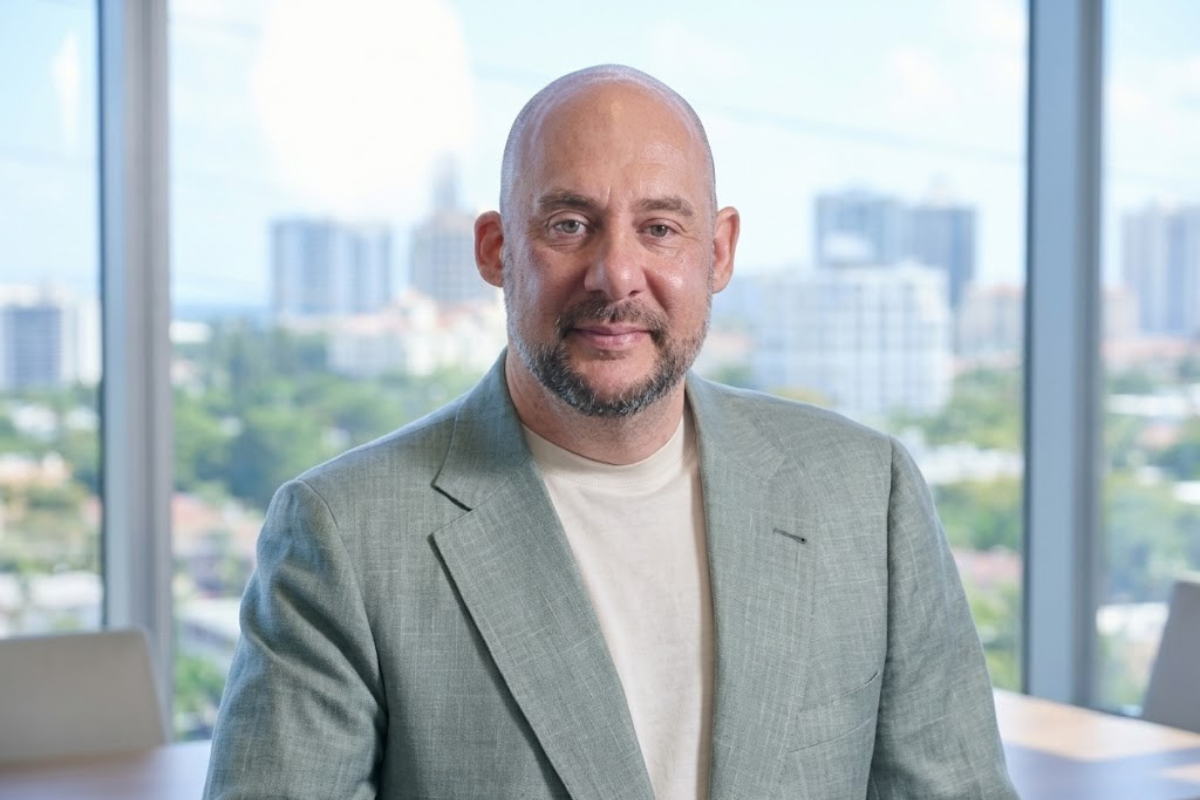
Sender Shamiss built a company around a problem most retailers would rather ignore: what happens to the goods shoppers buy, then send straight back. That company, the reverse logistics firm ReturnPro, is now on track for more than $500M (£376M) in revenue this year.
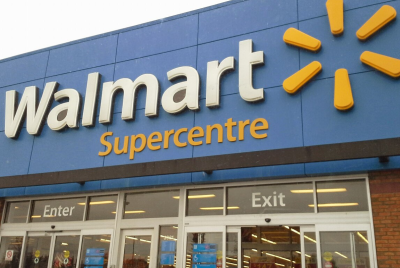
The scale is unusual because ReturnPro has grown without outside investment. The Miami-based firm handles tens of millions of returned items a year for retailers including Walmart, Sam's Club, and Bass Pro Shops, running them through its own warehouses, resale marketplaces, and returns software, according to the company.
The founder's route there was unlikely. Shamiss has spoken openly about being severely dyslexic and dropping out of high school, college, and university before finding his way into the returns trade. A Toronto native now known across the industry as the 'Godfather of Returns', he co-founded the business in 2008 as goTRG and rebranded it ReturnPro in 2024.
The problem he chose is enormous. American shoppers returned about $890B (£669B) of merchandise in 2024, or 16.9 per cent of everything retailers sold, according to the National Retail Federation. Counting the full value of goods flowing back, the industry now puts the figure closer to $1T (£752B) a year. Online, the rate is higher still, with nearly one in five purchases coming back.
Handling that flood is deceptively hard. Identical products leave a warehouse under one barcode but return in wildly different states, from pristine and resaleable to damaged, used or counterfeit. Each has to be inspected and routed on its own, which is why so much returned stock has traditionally been dumped or sold to liquidators for pennies on the dollar.
From a Truckload of Returns to a Reverse Logistics Business
Shamiss stumbled into the trade in 2001, after a friend pointed him to a shop selling heavily discounted electronics that turned out to be store returns. He borrowed enough to buy a lorry loaded with 26 pallets of returned stock for $10,000 (£7,520), tested every item, and sold the lot on eBay and Craigslist for $26,000 (£19,550) within two days. The margins convinced him there was a business in what everyone else treated as waste.
By 2008 he had turned that instinct into a company. Rather than simply buying returns cheaply and reselling them, ReturnPro began working directly with retailers, charging fees to refurbish, repackage, and resell their sent-back goods while handing them a bigger share of the recovered value.
The company says the model lets retailers recoup far more than the pennies on the dollar they get from liquidation. 'Our mission has always been to solve returns,' Shamiss said when the firm rebranded from goTRG.
Why Returned Electronics Are Worth a Second Life
The economics are clearest with electronics, which hold their value and sell quickly. A returned laptop or games console is tested, wiped, cleaned, and repackaged, then listed across dozens of resale channels, including ReturnPro's own VIP Outlet marketplace. The company now processes more than 40 million returns a year, deciding in seconds whether each item should be resold, refurbished, donated or recycled.
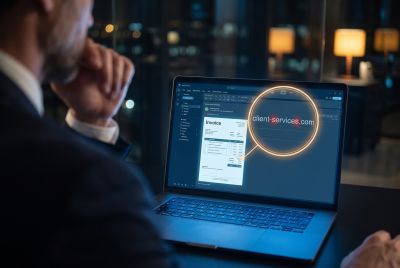
Fraud is the next target. The NRF has flagged returns fraud as a fast-growing cost for retailers, often a shopper posting back a knockoff instead of the real thing. ReturnPro says it is investing in scanning technology that can flag fakes before a refund is ever issued.
For all its growth, ReturnPro still controls only a sliver of the returns market, which Shamiss treats as room to expand rather than a limit. He has long argued that returns are not going away, and that as online shopping grows, the money in handling them properly only gets bigger.
© Copyright IBTimes 2026. All rights reserved.
- Recommended For You