UK Internet Users Targeted by Russian Military Hackers in Widespread Attack: Is Your Home Router Safe?
The NCSC warns that state-linked APT28 'Fancy Bear' agents are using home Wi-Fi to siphon passwords and bank details through a stealthy DNS hijacking plot
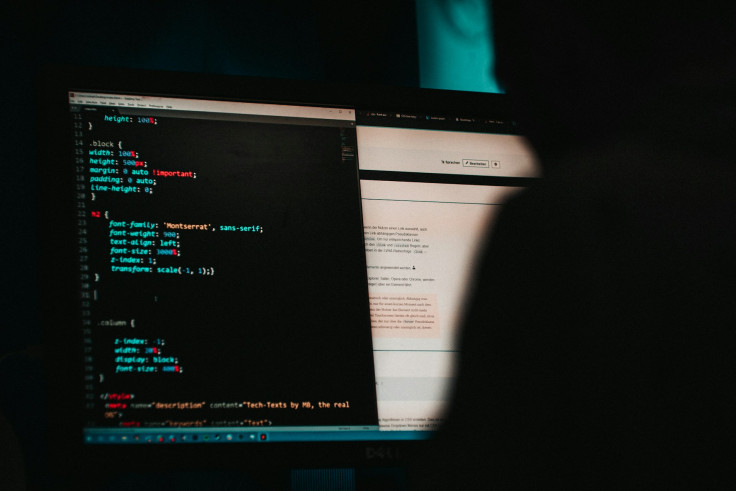
Millions of British households are at risk after the National Cyber Security Centre (NCSC) revealed a coordinated Russian campaign to hijack home internet routers.
On Thursday, 9 April 2026, security officials confirmed that the GRU-linked hacking group APT28 is actively exploiting consumer-grade hardware to monitor private internet traffic and harvest sensitive credentials. This aggressive UK cyber threat of 2026 bypasses traditional antivirus software by compromising the gateway to the home, allowing foreign agents to redirect users to fraudulent websites.
According to the latest National Cyber Security Centre advisory, the operation focuses on Domain Name System (DNS) hijacking, a method in which hackers alter router settings to redirect unsuspecting victims to malicious servers. This means that when you attempt to log in to your bank or email, you could be entering your details into a perfect replica controlled by the Kremlin.
The NCSC cyber warning 2026 highlights that this is not just a threat to high-level officials, but also to everyday citizens, whose routers have become the 'frontline' of a global digital conflict.
Routers Turned Into Silent Spying Tools
NCSC says Russian military hackers have been exploiting vulnerabilities in internet routers to covertly manipulate internet traffic and harvest personal data. In its advisory, the NCSC revealed that attackers can 'reroute users' internet traffic through malicious servers under their control.' This means victims may unknowingly enter passwords or sensitive details into fake versions of legitimate websites.
Security experts say the threat is particularly dangerous because routers act as the gateway between all connected devices and the wider internet. Once compromised, they provide attackers with a powerful foothold.
Who Is Behind The Attacks?
The campaign has been linked to APT28, also known as Fancy Bear, a hacking group widely believed to be part of Russia's GRU military intelligence agency. The group has a long history of cyber-espionage, including attacks on governments, political institutions, and critical infrastructure.
Recent investigations suggest the operation is global in scale, with thousands of routers compromised across 120 countries. In some cases, attackers have intercepted passwords, authentication tokens, and email credentials by redirecting traffic through rogue servers.
Authorities warn that the campaign is 'opportunistic in nature,' initially targeting a broad pool of victims before narrowing in on high-value intelligence targets.
How The Attack Works
The method used is both sophisticated and alarmingly simple. Hackers scan the internet for routers with known vulnerabilities, often older models that no longer receive security updates. Once accessed, they alter key settings such as DNS configurations.
This allows them to silently intercept data flowing through the network. Victims may be redirected to fake login pages designed to capture credentials or have their communications monitored without any visible signs.
In some cases, attackers do not even need to install malware. Instead, they exploit existing weaknesses to maintain persistent access and monitor traffic over time.
Why UK Users Are At Risk
The UK has become a key target due to the widespread use of consumer-grade routers and the high volume of sensitive personal and business data transmitted online. Many users continue to rely on outdated devices or fail to apply critical firmware updates.
Authorities have warned that such attacks can expose not only individuals but also organisations in sectors such as defence, government, and energy. Once a router is compromised, all connected devices, including smartphones and laptops, can become vulnerable.
The scale of the threat has prompted international concern. In a related development, US authorities recently disrupted a similar Russian operation that hijacked thousands of routers worldwide to intercept internet traffic and steal data.
How To Protect Your Home Router
Cybersecurity experts stress that protecting your router is now as important as securing your computer or smartphone. The NCSC advises users to regularly update router firmware, change default passwords, and disable unnecessary remote management features.
Basic steps such as enabling WPA2 or WPA3 encryption and replacing outdated hardware can significantly reduce risk. Experts also recommend rebooting routers periodically and monitoring for unusual network behaviour.
For added protection, some users go a step further by routing traffic through a trusted proxy provider, which adds an extra layer between the home network and the open internet - particularly useful when the default ISP DNS settings are the vector being abused.
As officials warn, the threat is ongoing and evolving. But with simple precautions, users can reduce their exposure to what is becoming one of the most widespread forms of cyber-espionage targeting everyday internet users.
Ultimately, the message is clear: your router is no longer just a utility; it is a frontline defence in an increasingly complex digital battlefield.
© Copyright IBTimes 2026. All rights reserved.
- Recommended For You