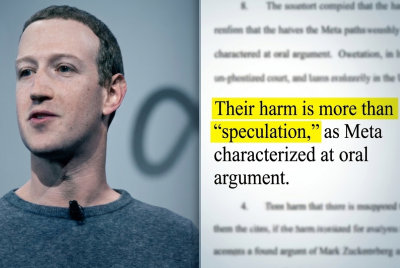
'The Vibes Are Off': Meta CTO Admits Employee Morale Is Near Its Lowest Point in 20 Years
Meta's AI ambitions lead to internal strife and employee dissatisfaction
Meta's most senior technology executive has acknowledged that staff morale is close to the lowest he has seen in his two decades at the company, a rare admission of strain as the social media group absorbs thousands of job cuts and a costly turn towards artificial intelligence.
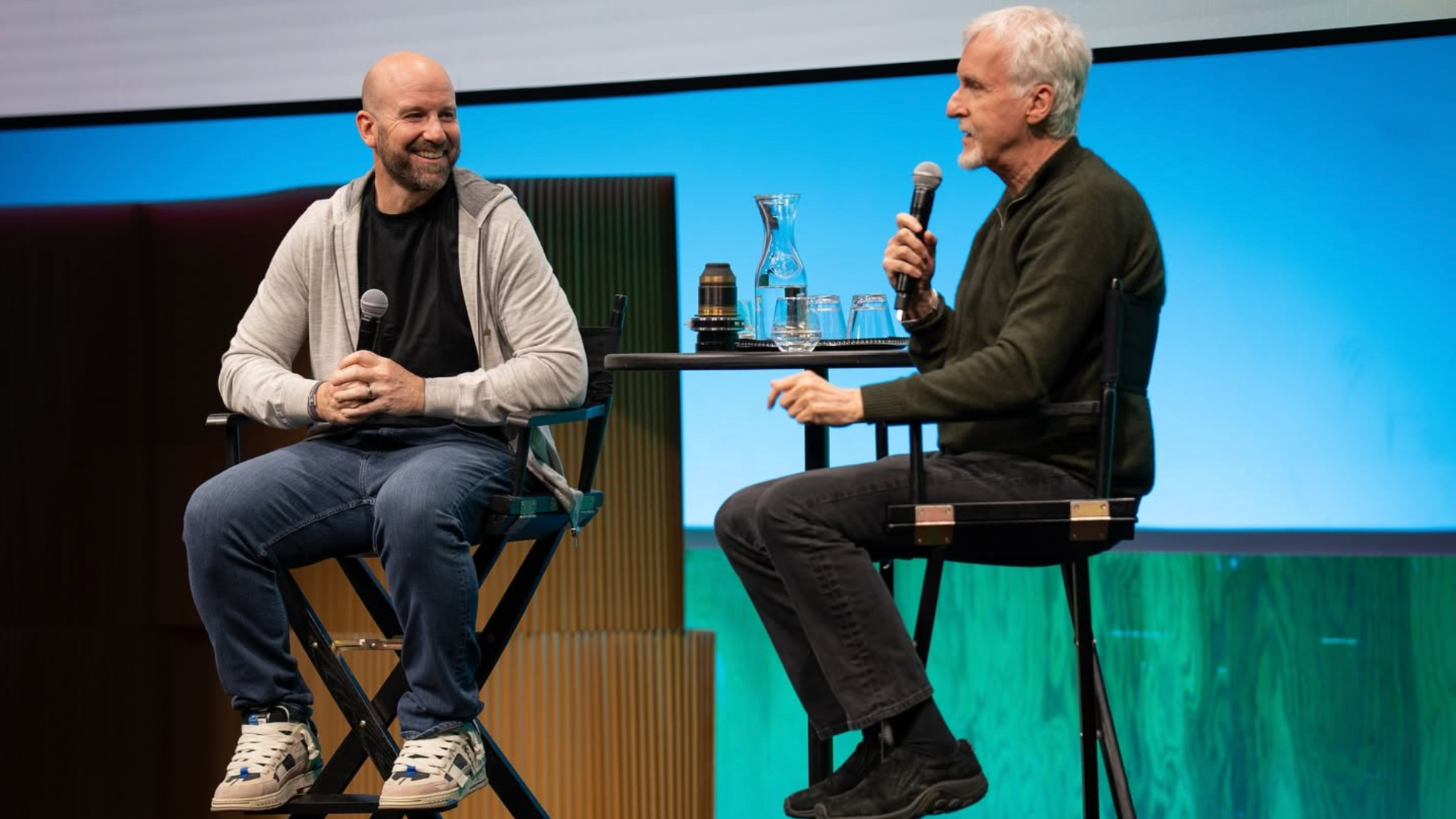
Andrew Bosworth, the chief technology officer who joined what was then Facebook in 2006, remarked at an internal 'Tuesdays with Boz' session on 2 June. He put the mood as 'maybe not the worst it's ever been in 20 years here, but it's probably up there. It's definitely up there', Business Insider reported, comparing the atmosphere to the fallout from the Cambridge Analytica data scandal.
The discontent is not hard to find. Speaking to Wired, which interviewed more than a dozen current and former staff, one Instagram employee said simply that 'everyone is unhappy', and that the only people who were not were the executives.
Several told the outlet they were quietly hoping to be cut, if only to bank the package on offer: 16 weeks of pay and 18 months of health cover. The bitterness has a clear root. The layoffs landed just weeks after one of Meta's richest quarters on record, with $26.8 billion (£20 billion) in net income for the first three months of 2026.
Why Meta's AI Reorganisation Has Hit Morale
Much of the anger centres on Applied AI, a unit formed in March that swept up around 6,500 engineers and product managers. Many were given little say in the move, and little sense of what it meant for their careers. One worker described the division to Wired as 'a gulag', with staff feeling trapped, unhappy, and pushed into a unit they did not choose.
Bosworth's memo this week tried to answer that. He pledged to cap managers at roughly 20 direct reports, to shuffle staff between teams less often during reorganisations, and to offer optional AI coaching.
Maher Saba, the vice-president running Applied AI, told employees that anyone pushed into the unit could now apply elsewhere. Some perks have returned, with bigger budgets for travel, events, and office snacks.
Sitting atop all this is a fight over monitoring. Since April, Meta has run software on US employees' laptops that logs keystrokes, clicks, and periodic screenshots to train AI agents. When staff asked how to switch it off, Bosworth was blunt: there was no opt-out on a work laptop. More than 1,500 signed a petition against it. The company has since softened its stance, letting workers pause the tracking for 30 minutes at a time, according to Reuters.
The AI Spending Bill Behind the Cuts
The cuts trace back to the sheer size of Meta's AI bet. The company has guided 2026 capital spending to between $125 billion and $145 billion (£93 billion to £108 billion), close to double the $72.2 billion (£54 billion) it laid out in 2025.
In the same memo, first reported by Wired, Bosworth conceded leadership had done 'an atrocious job explaining the vision' and had 'undermined the trust' staff placed in their own expertise and prospects.
Pay has done little to soothe things. Median total compensation slipped from $417,400 (£311,000) in 2024 to $388,200 (£290,000) last year, after two successive cuts to the stock portion of annual rises, Wired reported. The job losses themselves have come in waves: about 11,000 in late 2022, another 10,000 during the 2023 'year of efficiency', and roughly 8,000 in May, around 10% of a 78,000-strong workforce, alongside 6,000 cancelled vacancies.
Investors have doubts of their own. First-quarter revenue climbed 33% from a year earlier to $56.3 billion (£42 billion), yet Meta shares fell more than 6% in after-hours trading when it raised the spending forecast in April, Fortune reported.
The stock is down about 8% for the year, valuing the company near $1.7 trillion (£1.3 trillion). Bosworth ended his memo on a brighter note, telling staff he wanted Meta to be 'the best place for the best people to do their best work.'
© Copyright IBTimes 2026. All rights reserved.
- Recommended For You