Couple Says One Money Rule Saved Their Marriage and Finances: 'What's Mine Is Yours, and Vice Versa'
No 'mine' or 'yours': Their unconventional money rule helped them weather life's biggest setbacks

Hannah and Max credit one simple money rule that keeps their marriage and finances strong: they see money as a shared responsibility. Despite having different incomes and views on money, both decided early on to put everything they earned towards their shared goals.
Max, 31, says, 'We've always wanted to do things 50/50. We made a commitment to each other that what's mine is yours, and vice versa.' This mindset allowed them to navigate life's biggest challenges, from purchasing their first home to losing a job and starting a business.
One Account, Equal Spending, Shared Future
Hannah and Max started their marriage with a big income difference, but they didn't allow their salaries to define their relationship. Max made £70,000 working in tech, while Hannah made less in the charity sector.
Instead of keeping their money separate, they combined their income into a joint account. They then approached their finances as a team effort. The account pays their mortgage, household bills, food, petrol, and other essentials.
Each of them also gets the same personal spending allowance. This allows them the freedom to spend without feeling monitored. 'If one of us wants to buy clothes, make-up, or go to the pub, we can do that without feeling watched,' Max says.
Breaking the Silence Around Finances
The couple wasn't raised with the same financial mindset. Although Hannah grew up in a home where money was openly discussed, Max says finances were a complete mystery in his family. According to him, 'Money was totally taboo. I reached adulthood without knowing things like what a good salary looked like or how to negotiate my pay.'
Their approach changed when the couple started saving for a home. To make it work, they openly discussed their income, savings, and what they could realistically afford.
'As first-time buyers, there are costs you don't think about,' Hannah says, pointing to expenses like stamp duty and solicitor fees. Today, financial talks are part of their everyday routine.
Their Finances Survived a Major Setback
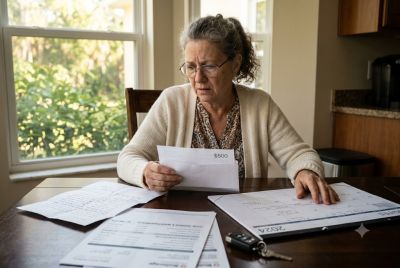
When Max lost his job last year, their money system was tested. Since they had to rely mostly on Hannah's income, they had to make some tough decisions.
'We sat down and really looked through where we could cut things out,' Hannah says. So, they cancelled subscriptions, went through their budget, and cut unnecessary costs to keep paying their mortgage and bills. The experience changed their perspective on their financial future.
A £20,000 Gamble Led to a New Career
When Max lost his job, he used a lifelong passion to create a business opportunity: starting his own pizza company. A culinary graduate, Max left the hospitality industry because he thought it didn't pay well enough.
Hannah was not so sure of the idea at first. However, they decided it was a risk they were willing to take. 'We don't have kids, and no one else is depending on us,' she says. 'This was the right moment to take the risk.'
Max invested £20,000 of his redundancy payout to convert a horsebox trailer into a pizza truck. Today, the business brings in £4,000 to £6,000 monthly revenue through events and private bookings, with Max paying himself enough to cover their mortgage. His safety net? If it failed, he would get back to work.
Why Money Conversations Matter
For couples, money can still be a difficult topic. Quilter's research found 46% deal with financial planning on their own in some way, while more than 10% leave it entirely to one partner.
Hannah's advice: start small. 'Talk about your salaries or how much you spend,' she says, adding that these early conversations can help with bigger financial decisions down the road. What started as simple conversations about spending and salaries has evolved into a shared approach to managing their finances.
© Copyright IBTimes 2025. All rights reserved.
- Recommended For You