'Paycheck to Paycheck': 63% of Americans Have Under $500 Left Each Month After Paying Their Bills
Survey Reveals Financial Strain and Delayed Life Milestones for Many Americans
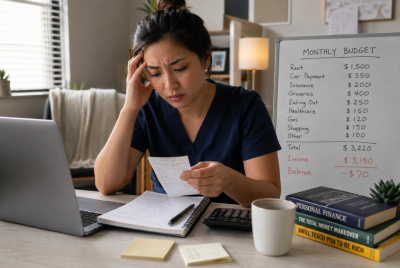
Nearly two-thirds of Americans are now living paycheque to paycheque, according to the latest SurveyMonkey Quarterly Money Survey, underscoring the financial strain many households continue to face despite a resilient labour market and slowing inflation.
The survey found that 63% of US adults rely on each paycheque to cover monthly expenses, while most have little or no financial cushion after paying for essentials such as housing, food, utilities and transportation.
The findings suggest that millions of Americans remain financially vulnerable, with many saying they would struggle to absorb even a modest unexpected expense or a temporary interruption to their income.
Most Americans Have Less Than $500 Left Each Month
According to the SurveyMonkey survey, an overwhelming majority of respondents reported having less than $500 remaining each month after covering essential living costs.
Among all respondents, 20% said they generally break even each month, and 17% reported spending more than they earn, leaving them in a monthly deficit. Only a minority said they consistently have significant disposable income remaining after paying bills.
For households already living paycheque to paycheque, the picture is even more challenging. The survey found that 90% of those respondents have almost no money left after meeting basic financial obligations, while 47% either break even or operate at a monthly deficit.
Monthly Budget Shortfalls Vary Widely
Among respondents who reported ending each month with a financial deficit, the size of those shortfalls differed considerably.
The survey found 25% fall short by less than $100 each month, 26% report deficits between $101 and $250, 37% say they are short between $251 and $1,000, and 12% face monthly deficits exceeding $1,000
Those figures illustrate how even relatively small budget gaps can accumulate over time, often forcing households to rely on savings, credit cards or loans simply to cover routine expenses. The survey also found that ongoing financial stress is reshaping long-term personal and financial decisions.
According to SurveyMonkey, 61% of respondents said money pressures have forced them to postpone important life milestones. Those delayed plans include saving for retirement, purchasing a home, buying a vehicle, getting married, and making other significant financial commitments.
Rather than building wealth or investing for the future, many households report focusing primarily on covering immediate living expenses.
Financial Anxiety Continues to Rise
More than half of those surveyed said they feel more financially stressed today than they did one year ago. Among the biggest contributors to that stress were insufficient savings (45%), credit card debt (30%), auto insurance costs (25%), and medical expenses (23%).
The findings suggest that while inflation has eased from its post-pandemic peak, many households continue struggling with elevated everyday costs and limited financial reserves. For households trying to avoid additional upfront utility costs, no deposit electricity can offer an alternative that does not require a large initial payment.
The survey also highlights how little financial flexibility many Americans have.
Among those living paycheque to paycheque, 71% said even a one-week delay in receiving their wages would create financial problems. 50% described such a delay as a major hardship, and 21% said it would trigger a financial emergency. Only 23% believed a delayed paycheque would be a minor inconvenience.
Those responses indicate that many households have limited emergency savings available to bridge even short-term disruptions in income.
Economic Outlook Remains Pessimistic
Beyond their personal finances, respondents also expressed concern about the broader economy. According to the survey, 50% believe economic conditions will worsen over the next year.
The leading reasons cited included the rising cost of living (79%), government policy (68%), and international conflicts and global uncertainty (62%) The findings reflect continued uncertainty despite relatively low unemployment and steady consumer spending in many parts of the economy.
Economists often monitor household financial resilience because consumer spending accounts for roughly two-thirds of US economic activity.
When families have little disposable income remaining after paying essential bills, they are generally more likely to delay major purchases, reduce discretionary spending, increase reliance on credit, and postpone investments in housing, vehicles or education
That can affect sectors ranging from retail and travel to automotive sales and residential real estate.
At the same time, prolonged financial pressure may increase demand for discount retailers, lower-cost grocery chains and financial products aimed at consumers managing tighter household budgets.
Analysts also continue watching indicators such as credit card delinquencies, household debt levels and buy now, pay later borrowing for signs of whether financial stress is becoming more widespread.
Household Finances Remain Under Pressure
While many economic indicators have improved since the height of pandemic-era inflation, the SurveyMonkey findings suggest that financial recovery has not been evenly experienced across American households.
For many workers, rising wages have been offset by higher living costs, insurance premiums, healthcare expenses and debt repayments, leaving little room to build emergency savings or pursue longer-term financial goals.
The survey ultimately paints a picture of households operating with very limited financial flexibility, where even a temporary disruption in income or an unexpected expense could quickly create significant hardship for millions of Americans.
© Copyright IBTimes 2026. All rights reserved.
- Recommended For You