

Former WH Smith Chain on Brink of Collapse: £8M Shortfall Threatens 4,700 Jobs and 150 Stores
Small suppliers and landlords will shoulder the financial losses of rescuing TG Jones, losing a large portion of what they are owed
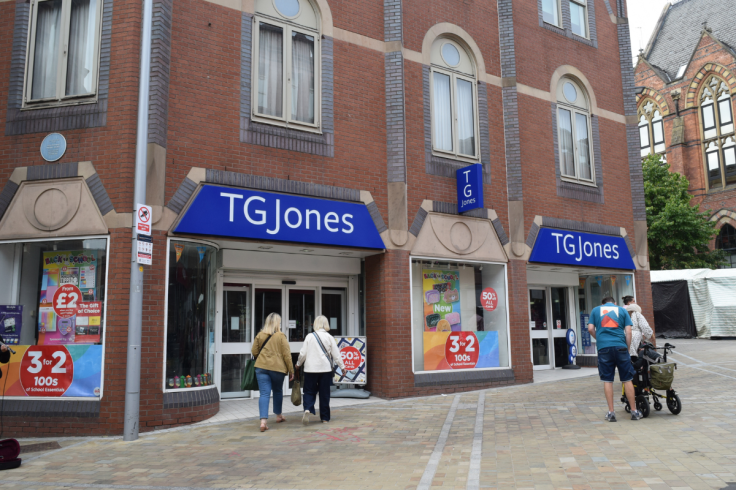
TG Jones, the high street chain carved out of WH Smith and rebranded last year, came within days of running out of cash, telling the High Court it faced an £8M shortfall by the end of the week that left 4,700 jobs and up to 150 stores hanging in the balance.
On 1 July 2026, a judge approved the rescue plan that keeps the tills open, but the reprieve comes with shutters coming down on branches across Britain, and small suppliers braced to lose a chunk of what they are owed.
How Close It Came
The language in court was blunt. Lawyers for TG Jones described the business as 'highly distressed' and 'running on fumes', warning it faced a cash shortfall of almost £8M within days unless Justice Hildyard signed off on the restructuring. He initially delayed, saying the case was too complex to rush, which left the chain staring at administration. On 1 July, he approved it.
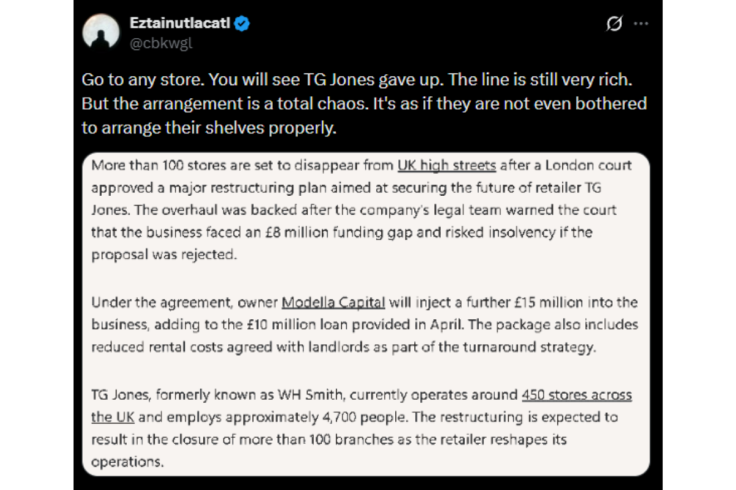
This was not the first scare. The court heard TG Jones had narrowly dodged running out of money earlier in 2026 after a £10M emergency loan from its owner, Modella Capital. The chain currently trades from 451 stores. Once the overhaul is done, it expects to run around 302, with the final tally resting on whether landlords accept lower rents or walk away.
Who Actually Pays for the Rescue
Here is the part that reaches past the boardroom. Keeping TG Jones alive means someone absorbs the loss, and it is not the private equity owner. Small suppliers, including card and toy manufacturers, are expected to lose a significant share of the money owed to them. Some non-core suppliers may recover less than half; certain exit contracts could be wiped out entirely.
Landlords took a hit too, though they fought harder and clawed back more. Property giant British Land branded the plan 'fundamentally unfair' before withdrawing its objections once Modella improved the terms. Six British Land-linked landlords shifted from opposing the plan to staying neutral. Under the revised deal, they secured a larger slice of any future profit than landlords have won in previous restructurings of this kind, plus deferral rather than write-off of some rent arrears.
What It Means for the High Street
For shoppers, the immediate question is simple: is my local branch on the list? Up to 150 could close, and the chain has not published which. If yours is among the roughly 149 being cut, the stationery run, the last-minute birthday card, the school supplies, all of it moves online or to a rival.
For the 4,700 staff, the plan is survival rather than security. Modella says it will pump £35M into the turnaround, alongside rent cuts and reworked supplier terms. Chief executive Alex Willson said the ruling lets the company press on with its strategy and protect the core of the business. The subtext is that a leaner core means fewer shops and fewer of those jobs than the headline figure suggests.
The mechanism doing the heavy lifting is a Part 26A restructuring plan, which lets a court force a deal on creditors who vote against it, a so-called cross-class cramdown. It is the same route walked recently by Poundland, River Island, Superdry, and Pizza Express. Restructuring specialist Hossein Dabiri of Debtwire said the approval underlines how central these plans have become for retailers weighed down by long leases, while noting the concessions landlords extracted show the process is 'not limitless'.
Hildyard had a warning of his own. He criticised the severe time pressure dumped on the court, cautioning that even powerful rescue tools work best when a company acts early, not when it is already down to its last few days of cash. TG Jones made it. The next chain that leaves it this late might not.
© Copyright IBTimes 2026. All rights reserved.