

Trump Administration Asks Supreme Court To Block TPS Restoration and Keep 1,800 Venezuelans Detained
A temporary court order leaves thousands of Venezuelan families awaiting clarity over their immigration protections
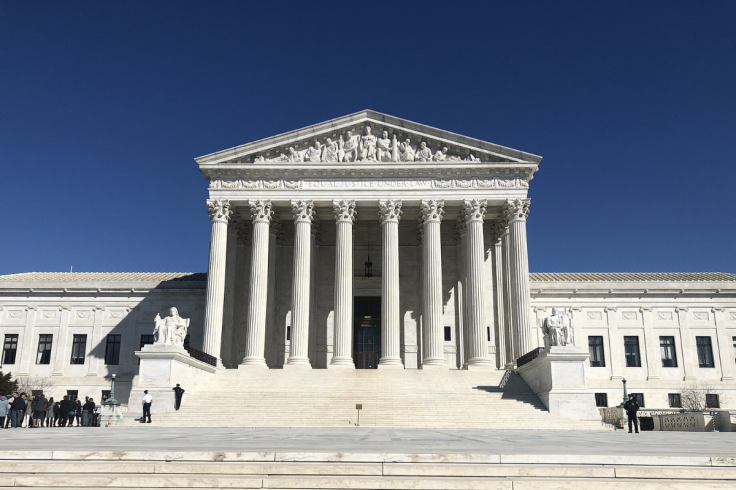
The Trump administration withdrew its Supreme Court request in Washington on Thursday, 19 November, after an appeals court extended a temporary stay. That stay prevents a lower-court ruling restoring deportation protections for Venezuelans from taking effect.
The move followed an emergency application filed a day earlier by Solicitor General D. John Sauer. He warned that reinstating Temporary Protected Status (TPS) could require the release of around 1,800 Venezuelans from immigration detention.
The Ninth Circuit extended its stay until seven days after it publishes its judgment. That removed a 20 November deadline and left the disputed TPS termination in place while the appeal proceeds.
Why the Supreme Court Request Was Withdrawn
Sauer explained the withdrawal in a letter to the Supreme Court on 19 November. The Ninth Circuit had extended the stay hours after the Justice Department filed its application, removing the immediate need for intervention.
The application marked the administration's third attempt to obtain emergency Supreme Court relief in the litigation. Although the justices had previously granted stays, they issued no ruling on this latest request.
Venezuela first received a TPS designation under President Joe Biden in 2021. A separate 2023 designation widened eligibility. In January 2025, the Biden administration announced an extension of the 2023 designation through 2 October 2026.
Kristi Noem, then the homeland security secretary, cancelled that extension and terminated the 2023 designation. She argued that continued protection was contrary to the national interest.
The National TPS Alliance and individual Venezuelan TPS holders challenged the measures. In September 2025, US District Judge Edward Chen set aside both decisions, finding that they violated the Administrative Procedure Act.
The Supreme Court stayed his ruling while the government appealed. On 5 October 2026, it vacated an earlier Ninth Circuit judgment and returned the case for reconsideration. That followed its separate decision in Mullin v. Doe, which limited judicial review of certain TPS termination decisions.
Supreme Court Filing's 1,800-Detainee Warning
In its 18 November application, the Justice Department estimated that restoring the designation could require releasing about 1,800 people from detention. It separately warned that reinstatement could prevent enforcement of up to 332 final removal orders.
Neither figure represents a court finding. Nor does the filing establish that the people covered by those removal orders are all among the detainees potentially affected.
TPS offers eligible nationals of designated countries temporary protection against removal and eligibility for work authorisation. It does not itself provide permanent residence. The consequences of losing TPS depend partly on each person's immigration circumstances.
The challengers criticised the government's attempt to secure another emergency stay. Emi MacLean, an attorney at the ACLU of Northern California representing the plaintiffs, accused officials of trying to 'jump the line' rather than await the appeals court's decision.
Jose Palma, a coordinator with the National TPS Alliance, said the loss of protection had caused family separation, deportations and instability. His comments were issued by the plaintiffs' legal team and reflect their account of the policy's impact.
The appeals court has yet to decide the underlying dispute, and its temporary stay is not a final ruling on the legality of the termination.
Sauer said the administration intended to return immediately to the Supreme Court if the Ninth Circuit ruled against it.
© Copyright IBTimes 2026. All rights reserved.