

Donald Trump Kept Saying 'Well This Is Not So Bad' as GOP Lost Congress on Election Night, Michael Wolff Claims
As Democrats prepare to take Congress, a new account raises questions about how Trump privately confronted his party's defeat
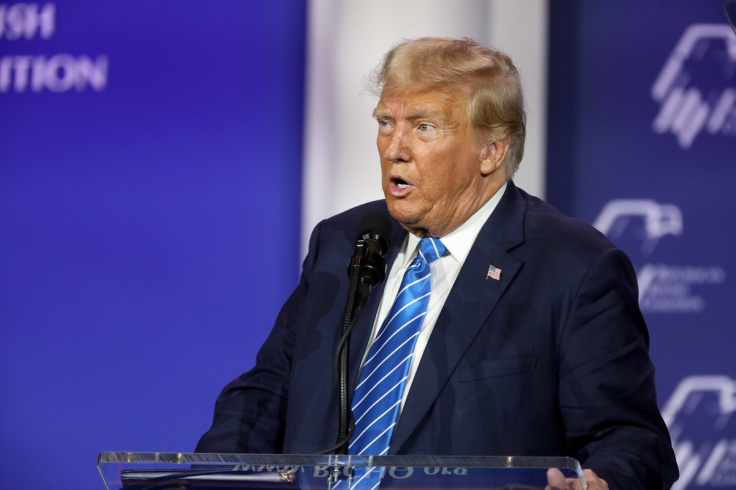
President Donald Trump repeatedly said 'Well, this is not so bad' as Republican losses emerged on 3 November, Michael Wolff claims.
The author said the remarks were made at the White House as results came in. His account of the president's private reaction to the 2026 midterms has not been independently corroborated.
Democrats secured majorities in the House of Representatives and Senate, although they will not take control until Congress convenes in January 2027. Their gains threaten Trump's legislative priorities and will give Democrats greater authority to scrutinise his administration.
Wolff published his account on 19 November and discussed it the following day on the podcast Inside Trump's Head. He said people close to the president had described how election updates reached him while he waited upstairs in the White House residence.
Donald Trump's Focus Turned to Florida as Results Arrived
According to Wolff, staff tracked returns in the White House Map Room and relayed developments to Trump. The president reportedly responded by insisting the results were less damaging than expected.
'They said it was going to be much worse,' Wolff quoted Trump as saying during the podcast. Wolff portrayed the remarks as evidence that the president was reluctant to acknowledge the scale of Republican defeats.
Trump then concentrated on Florida, the author alleged. In his written account, Wolff quoted him saying, 'It's all about Florida', before recalling the state's role in his 2016 presidential victory.
Florida did provide Republicans with victories. Byron Donalds won the governor's race, while Ashley Moody retained the state's US Senate seat. Those results contrasted with the party's losses in congressional races across the country.
Wolff also named then-chief of staff Susie Wiles, adviser Stephen Miller and presidential aide Natalie Harp among those around Trump. He claimed Harp reinforced the president's optimism by saying, 'So much better'. None of those alleged private exchanges has been independently confirmed.
Donald Trump Confronts a Congress Led by Democrats
The election will give incoming Democratic majorities power to set congressional agendas, hold hearings and seek testimony from administration officials. It does not automatically establish which investigations lawmakers will pursue.
On 6 November, Trump announced that Miller would succeed Wiles as White House chief of staff. The White House confirmed the appointment but did not say the election result caused the personnel change.
Wolff said people around Trump had used words including 'PTSD' and 'trauma' when discussing his reaction to the losses. Those were second-hand descriptions, not evidence of a medical condition. Wolff provided no clinical findings or diagnosis.
Trump's public statements provide a separate account of his approach to the election outcome. Late on election night, he posted an image of a red cap bearing the word 'VETO' on Truth Social.
At a White House briefing on 20 November, Trump said his veto power could create opportunities for negotiations with Democrats, particularly on healthcare. He also indicated that he would reject measures he opposed.
Presidential vetoes can be overridden only by two-thirds votes in both the House and Senate. Democrats' new majorities will therefore face limits on passing legislation without Trump's support.
Wolff's portrayal of election night remains an unverified account of private conversations. The congressional results, Miller's appointment and Trump's public comments are documented. Lawmakers will navigate that new balance of power when Congress convenes in January.
© Copyright IBTimes 2026. All rights reserved.