

Trump's SNAP Crackdown Could Strip Food Aid From 6.3M Americans and End Free School Meals for 121,000 Children
A Democratic lawmaker calls proposed SNAP changes 'heartless and cruel' as millions face losing benefits
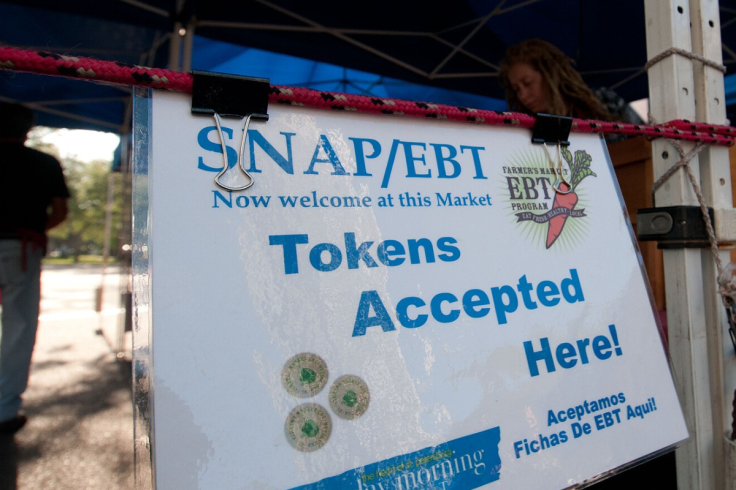
The Trump administration has proposed sweeping changes to food assistance that the USDA estimates could cost 6.3 million Americans their SNAP benefits and leave 121,000 children ineligible for free school meals. The plan, unveiled on Tuesday, 10 November, would tighten eligibility rules while cutting nearly $45 billion in federal food assistance spending over five years.
Millions Face Losing Food Stamps
The US Department of Agriculture (USDA) wants to restrict automatic eligibility for the Supplemental Nutrition Assistance Program (SNAP), commonly known as food stamps. Currently, households receiving certain benefits through Temporary Assistance for Needy Families (TANF) can qualify for SNAP without having to meet federal income thresholds.
TANF income limits vary by state, often reaching between 130% and 200% of the federal poverty level. Under standard federal rules, SNAP gross income eligibility is generally limited to 130% of the federal poverty level, although some states allow higher income thresholds.
Under the proposed change, USDA estimates approximately 3.2 million households, or about 6.3 million people, would lose benefits in fiscal 2029 if the proposal is implemented. That would account for nearly 18% of SNAP recipients.
USDA Seeks to Tighten Rules on Expanded SNAP Eligibility
The changes aim to standardise SNAP eligibility requirements. The administration argues that some states have used broad-based categorical eligibility to 'create a de facto and significant increase' in income thresholds beyond congressional limits.
'The Department believes the proposed changes would ensure States implement categorical eligibility in accordance with its original intent and would address concerns that States used BBCE to expand SNAP eligibility beyond congressionally approved limits intended to preserve benefits for the truly needy,' the USDA stated in its proposed rule. Federal SNAP benefit spending would fall by approximately $45 billion between fiscal 2027 and fiscal 2031, according to its projections.
The latest proposal builds on changes introduced under the One Big Beautiful Bill Act, which President Donald Trump signed into law on 4 July 2025. The legislation expanded SNAP work requirements and tightened eligibility rules for certain recipients.
School Meals Also at Risk
The proposed changes could also affect children's access to school meals. USDA estimates that approximately 121,000 children would no longer qualify for free school meals. Of these, 93,000 would move to reduced-price meals, while another 28,000 would have to pay the full price.
The USDA estimates that approximately 97% of children affected by the loss of automatic eligibility would remain eligible for free or reduced-price meals based on household income, but their families would need to complete a separate certification process.
Additionally, the USDA also projects that 42,000 children could lose summer food benefits, while 5,500 people could lose eligibility for the Special Supplemental Nutrition Program for Women, Infants, and Children.
Democratic Lawmaker Criticises Proposed SNAP Changes
The proposed changes come as the administration seeks to further restrict food assistance. The decline in SNAP enrolment is partly attributed to challenges states face in implementing administrative changes to the programme and managing the additional costs imposed by President Donald Trump's law.
Democratic Representative Angie Craig of Minnesota, the ranking member of the House Agriculture Committee, condemned the latest proposal as 'heartless and cruel'. She said, 'The proposed rule would make it harder to meet basic needs and roll back efforts to streamline federal programmes.'
© Copyright IBTimes 2026. All rights reserved.