

Trump Airport Crackdown Sparks Fears of Immigration Chaos in NYC, LA and Chicago
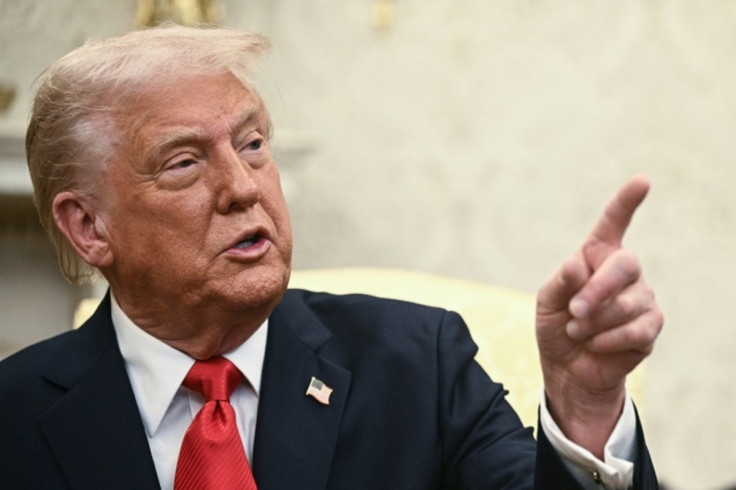
The Trump administration is reportedly weighing a sweeping new policy that could dramatically change how international travellers are processed at some of America's busiest airports, fuelling warnings of major disruption to global travel, commerce and immigration systems. The idea, still under internal review, would target airports in 'sanctuary cities' and could effectively turn routine international arrivals into flashpoints in the long-running fight over US immigration policy.
Trump Reportedly Halting Immigration Processing at Key US Airports in Sanctuary Cities
According to Reuters, federal officials are drawing up plans to halt or significantly scale back immigration and customs processing at airports in so‑called 'sanctuary cities', jurisdictions that limit cooperation with federal immigration authorities. The proposal could affect major international gateways, including New York, Los Angeles, Chicago and San Francisco.
Homeland Security officials have indicated that the measure is being explored as part of a broader effort to pressure local governments that resist federal immigration enforcement. While no final decision has been made, officials have suggested that Customs and Border Protection (CBP) staffing and operations could be reduced or withdrawn from certain airports, effectively limiting CBP's ability to process international arrivals as usual.
How This Affects Proper Immigration Customs Processing
If implemented, the consequences for international travel could be significant. Airports serve as critical entry points for millions of passengers each year, with CBP officers responsible for screening travellers, verifying visas, enforcing immigration law and conducting security checks. Any reduction in staffing or processing capacity could lead to longer wait times, bottlenecks at arrival terminals and delays that ripple across domestic and international flight networks.
Industry groups have warned that even partial disruptions to customs operations could have wide-ranging effects on aviation efficiency. International airports operate on tightly coordinated schedules, meaning delays in immigration clearance can quickly cascade into missed connections, congestion in terminals, and increased operational costs for airlines. Cargo processing could also be affected, potentially slowing down the flow of imported goods through major logistics hubs.
The proposal has also sparked concern from travel and business organisations, which argue that restricting immigration processing at major airports would damage tourism and international commerce. Airports in sanctuary cities collectively handle tens of millions of international passengers annually, making them central to the US travel economy.
Experts Weigh in On The Immigration Plan
Legal experts have questioned whether the federal government could selectively reduce or suspend immigration processing at specific airports based on local political designations. Immigration enforcement is generally considered a federal responsibility, and critics argue that altering operations in this way could trigger legal challenges over jurisdiction and equal treatment under federal law.
Sanctuary city policies themselves have long been a point of political conflict. These jurisdictions typically limit cooperation with Immigration and Customs Enforcement (ICE), particularly in cases involving non‑violent immigration violations, arguing that local resources should not be used for federal civil immigration enforcement.
Supporters of the proposed changes argue that federal immigration enforcement should not be undermined by local policies and that adjusting airport processing could be a way to ensure compliance. However, opponents say the move could effectively politicise airport operations and create uncertainty for travellers regardless of immigration status.
For now, the proposal remains under internal review, and no timeline has been announced for implementation. But the debate highlights growing tensions between federal immigration policy and local governance, with some of the nation's busiest airports potentially at the centre of the dispute.
© Copyright IBTimes 2026. All rights reserved.
- Recommended For You


