

Trump Allegedly Betrays MAGA Fans: Why Criminals He Pardoned Are Back Behind Bars
Pesident's political manoeuvres shocks supporters, convicted rioters back behind bars
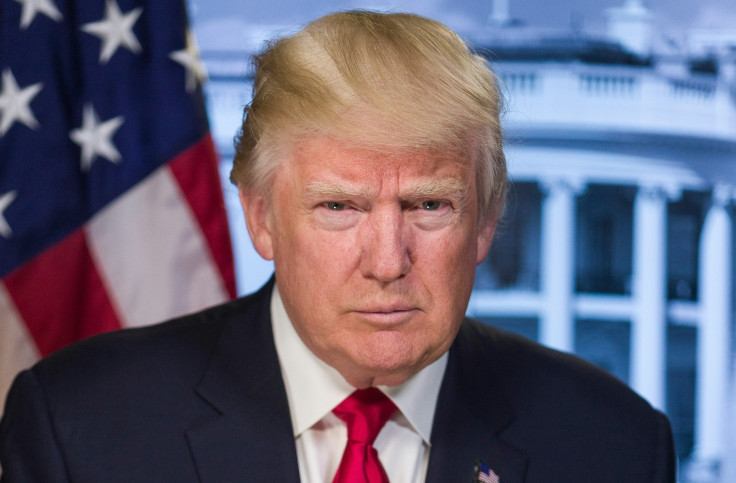
Five years after the 6th January insurrection at the U.S. Capitol, President Donald Trump is once again at the centre of controversy.
Several individuals he pardoned in the aftermath of the violent riot have been re-arrested for new crimes, leaving MAGA supporters stunned and critics outraged.
Rioters Return to Prison
The news highlights the complexities of presidential pardons and raises questions about whether Trump's clemency efforts were intended to help his allies or simply to bolster his own political influence.
Among the latest to face justice is 33-year-old Zachary Allum, arrested for allegedly breaking into a home in Henrico County near Richmond. Allum had previously faced charges for firing a gun into the air during the 6th January riot. Similarly, other pardoned rioters are now charged with serious offences, ranging from threats against public officials to violent crimes.
Brian Tyler Cohen, discussing the developments on his podcast, emphasised that 'these are not minor incidents. These are people who were already given a second chance and have now returned to the legal system.'
The pattern is clear: at least 33 pardoned individuals have been re-arrested, charged, or sentenced for additional crimes. Experts suggest that Trump's pardons may have unintentionally created a sense of impunity among his supporters, reinforcing the idea that political loyalty could shield them from consequences.
The Limits of Trump's Protections
Trump's clemency spree included high-profile allies such as Rudy Giuliani, Sidney Powell, and former chief of staff Mark Meadows. The Department of Justice confirmed that 77 people received full, unconditional pardons, many for involvement in attempts to overturn the 2020 election. While these pardons were widely expected, the return of pardoned individuals to prison underscores that loyalty to Trump does not guarantee lasting protection from the law.
Brian Tyler Cohen pointed out on his show that 'Trump has created a new class of criminal who believe that if they are aligned with him politically, they are untouchable.' Yet, as recent events demonstrate, even those in Trump's inner circle are not immune to legal consequences when they commit further crimes. Critics argue that the system favours the wealthy and connected, while ordinary supporters face the full force of justice.
MAGA Supporters Feel Betrayed
For many MAGA loyalists, the news has been a bitter pill. The belief that Trump will protect his supporters in any legal trouble has been a cornerstone of his political messaging. Yet with multiple pardoned rioters now back behind bars, that perception is being challenged. Some supporters express frustration and confusion, questioning whether the promises of political loyalty equalling safety were ever genuine.
Cohen noted that Trump's strategy was less about protecting the little guy and more about consolidating power and reinforcing his influence. By pardoning high-profile allies and 6th January participants, Trump sends a message to his base: loyalty matters, but only in ways that benefit him politically. Ordinary citizens and minor supporters are often left without protection, highlighting a stark divide in the application of justice.
The Political Consequences
The return of pardoned criminals to jail has broader implications for Trump and his political movement. Critics argue it exposes the fragility of the narrative that Trump has the backs of all his supporters. Meanwhile, legal experts warn that future pardons could face greater scrutiny, and the public may be less inclined to trust assurances from political leaders.
Ultimately, the unfolding situation underscores the challenges inherent in Presidential pardons and the potential consequences of wielding that power without consideration of long-term impact. For MAGA supporters, the lesson is sobering: political allegiance may not be enough to shield anyone from the law, and the risks of blind loyalty are increasingly apparent.
© Copyright IBTimes 2026. All rights reserved.