Trump Promises Staff Mass Pardons Before Leaving Office — Aides Say He Means It
Examining the Implications of Trump's Clemency Promises

President Donald Trump is privately assuring senior administration officials that he will grant them sweeping clemency before departing the White House. The prospect of widespread immunity for top aides is no longer dismissed by political observers as mere political theatre.
The president has actively transformed what initially appeared to be an offhand remark into a consistent, actionable promise. This guarantee has become a recurring theme in private meetings, raising questions about executive authority.
Expanding the Radius of Presidential Clemency
'I'll pardon everyone who has come within 200 feet of the Oval,' Trump said in a recent meeting to laughs, according to people with knowledge of the comments.
That radius appears to be expanding as he repeats the line. Another person who met with Trump earlier this year said the president quipped about pardoning anyone who had come within 10 feet.
In one specific conversation with advisers in the dining room next to the Oval Office last year, Trump explicitly stated he would host a formal news conference and announce mass pardons before he left office.
The unconditional power to pardon remains one of the most formidable tools available. During this term, Trump utilised this authority in an unprecedented manner, dispensing some 1,600 grants to date.
Many of these executive reprieves have gone directly to political allies and campaign donors, often materialising shortly after a casual round of golf.
Unprecedented Bipartisan Criticism
Some decisions drew intense criticism, including clemency for a crypto billionaire whose enterprise bolstered Trump's digital-currency venture. Another grant went to a former Honduran president convicted of conspiring with cartels.
He repeatedly raised the spectre of pardons with White House aides when staff suggested they could face prosecution. Frequent references have led some aides to believe he is genuinely serious.
Protective Measures Against Investigations
Trump aides have worried about losing control of the House of Representatives to Democrats in the November elections. Democrats might investigate the president for issues including his control over the Justice Department and his pardons.
The Justice Department ultimately would make the decision on whether to charge someone for not adhering to a congressional subpoena. Several aides said Trump raises the pardons so regularly that some advisers laugh about it.
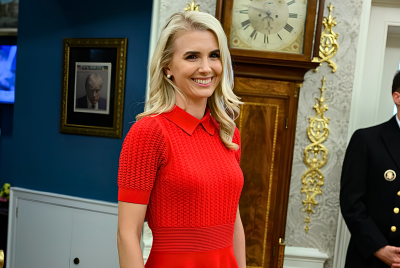
'The Wall Street Journal should learn to take a joke, however, the President's pardon power is absolute,' Karoline Leavitt, the White House press secretary, said.
A Precedent Set by Predecessors
Trump's liberal use of the pardon power follows former President Joe Biden's sweeping end-of-term grants to multiple top officials.
'By testing the boundaries of the pardon power, Biden cracked the door open and we can't now complain about Donald Trump walking through it, even if he blows it wide open,' said Michael LaRosa, a former communications aide to Biden.
🚨 BREAKING: President Trump has vowed to MASS PARDON his top admin officials and staffers when he leaves office — WSJ
— Eric Daugherty (@EricLDaugh) April 10, 2026
Good. The left is going to GO AFTER these patriots relentlessly.
"I'll pardon everyone who has come within 200 feet of the Oval," Trump said in a "recent… pic.twitter.com/2FVLJhAP6E
Learning From the Past
Some 1,500 of Trump's second-term pardons are for defendants charged in connection with Jan. 6.
At one point, former press secretary Stephanie Grisham was in trouble for violating the Hatch Act.
Grisham recalled, 'Who cares? You know who is the boss of the Hatch Act, and I'll pardon you.'
'It seems like he previewed many times his intent to use the pardon power to bail out those who carry out his agenda faithfully,' former DOJ pardon attorney Liz Oyer said. The prospect of mass pardons casts a long shadow over his administration.
© Copyright IBTimes 2026. All rights reserved.
- Recommended For You