

Trump Slams Olympic Skier Hunter Hess as a 'Loser' After Athlete Questions What It Means To Represent the US
At the Milan-Cortina Olympics, Trump clashes with US skier Hunter Hess over patriotism after his remarks on national representation
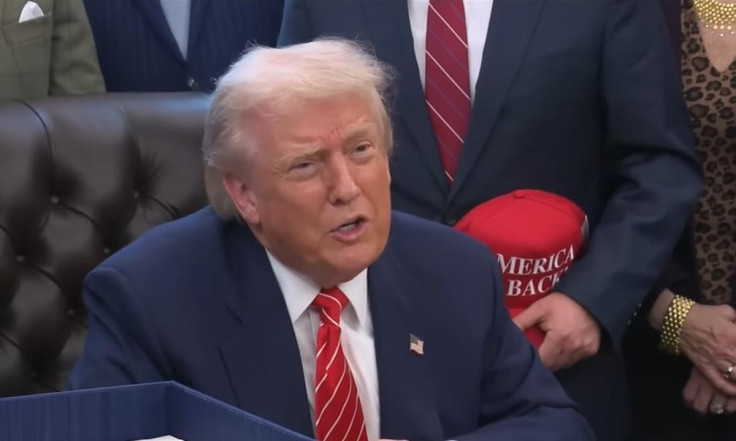
President Trump's scathing attack on Olympic skier Hunter Hess after the athlete questioned what it means to represent the United States has ignited fierce debate over patriotism, free expression, and the role of sport in a politically charged era.
Three days into the 2026 Winter Olympics in Milan and Cortina d'Ampezzo, Hess's remarks on national identity became a flashpoint in a broader culture clash that has reverberated far beyond the snow-covered slopes of northern Italy.
Athlete's Comments Spark Diplomatic-Style Backlash
Hunter Hess, a 27-year-old freestyle skier from Oregon, told reporters that representing the US at the Olympics brings up mixed emotions, given current domestic issues, including controversial actions by US Immigration and Customs Enforcement agents.
During a press event on Friday, Hess said: 'It's a little hard. There's obviously a lot going on that I'm not the biggest fan of, and I think a lot of people aren't.' He added that wearing the American flag did not mean he endorsed all aspects of US policy and that he was competing for the people he cared about and the values he believed in.
Hess's comments reflect a growing trend amongst some American athletes who feel the weight of the nation's political climate as they step onto the global stage. Notable Team USA teammate Chris Lillis echoed Hess's sentiment, acknowledging pride in representing the US while urging respect and human rights for all citizens.
Trump's Rebuke Amplifies Global Attention
The controversy escalated dramatically when President Donald Trump took to his social media platform Truth Social to denounce Hess. In a post on Sunday, Trump called the skier 'a real Loser', contending that if Hess could not unequivocally represent his country, he should not have earned a place on the Olympic team.
Trump's message was blunt: 'US Olympic Skier, Hunter Hess, a real Loser, says he doesn't represent his Country in the current Winter Olympics. If that's the case, he shouldn't have tried out for the Team... Very hard to root for someone like this.'
Trump's intervention has elevated what might otherwise have been an internal Olympic conversation into an obvious political confrontation, illustrating how domestic divisions can spill onto the international stage. Several political figures also weighed in online, with some conservative voices echoing Trump's critique and accusing Hess of being unpatriotic.
Athletes, Allies, and Critics Respond
The backlash to Hess's comments has been swift and polarised. Legendary 'Miracle on Ice' hockey captain Mike Eruzione criticised Hess's stance, suggesting he should not wear the US uniform if he felt conflicted about the country he represents.
Social media responses have spanned from vehement condemnation to supportive praise, highlighting deep cultural rifts that echo back to debates surrounding national identity, politics, and sport.
Other US Olympians, such as figure skater Amber Glenn, have also shared their perspectives on domestic social issues. Glenn, who became the first openly LGBTQ woman to compete for the US at these Games, said the current political climate has been 'a hard time' for her community and that expressing her views has drawn significant online harassment. The US Olympic and Paralympic Committee has taken steps to support athletes, emphasising respect and safety amid heightened tensions.
Broader Political Context at Milan Cortina
Hess's remarks occurred against a backdrop of political unrest in the US. Controversial immigration enforcement actions by ICE, including high-profile incidents in Minnesota resulting in multiple deaths, have spurred protests and intense debate over national values and law enforcement tactics.
This domestic contention has followed athletes to the Winter Games, where anti-ICE demonstrations were held in Milan ahead of the official Opening Ceremony. Vice President JD Vance's appearance at that event was met with boos from the crowd, underlining international awareness of US politics.
Vance booed during the Olympic opening ceremony pic.twitter.com/JCiQwjhKlh
— Molly Ploofkins (@Mollyploofkins) February 6, 2026
Sport and National Identity Collide
The clash between Hunter Hess and President Trump emphasises an evolving intersection between sport, personal expression, and national identity. For decades, Olympic athletes were encouraged to downplay political differences and focus on unity under the banner of the Games. Today, however, global platforms and social media have made it increasingly difficult for athletes to separate personal conscience from international competition.
Hess's comments reveal a generational shift amongst competitors who see representing their country as a nuanced act, one that may encompass pride, criticism, and advocacy simultaneously. Yet the fierce backlash from political leaders and commentators reflects a contrasting view that national representation should remain unequivocal, especially at events charged with symbolic significance like the Olympics.
Whether this dispute will overshadow Hess's athletic performance remains to be seen, but the incident has already become a defining story of the 2026 Winter Olympics, one that underscores the powerful role sport can play in cultural and political discourse.
© Copyright IBTimes 2026. All rights reserved.