Trump Is Threatening to Quit NATO for Abandoning Him in a War He Started Without Telling Them
As tensions rise, allies weigh the consequences of a potential US withdrawal and what it could mean for global security.

Trump's NATO withdrawal is back in the global spotlight after Donald Trump suggested the US could leave the alliance, accusing NATO allies of abandoning America during a conflict he says they did not support.
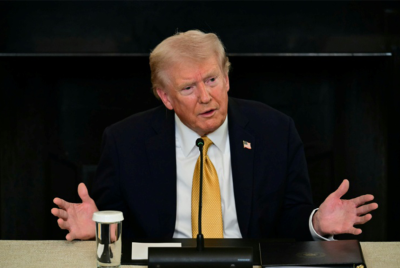
The controversy reignited after a widely shared video posted by Fox News on X, where Trump criticised NATO partners and questioned whether the US should remain a member. His remarks are adding fresh tension to the growing Trump-NATO war conflict and raising serious questions about the future of the alliance and global security.
What Did Trump Actually Say About NATO?
In the clip, Donald Trump suggested that NATO allies did not stand by the US when it mattered most, hinting at a lack of support during conflict. He did not officially announce a withdrawal, but his tone clearly fuels the ongoing Trump quits NATO threat narrative.
Trump has long argued that NATO members do not contribute enough, either financially or militarily, a stance he held throughout his presidency. This time, however, the stakes feel higher. His comments are now tied to the wider Trump-Iran war controversy, raising questions about how decisions were made and whether allies were properly informed.
That difference matters. NATO's foundation, collective defence under Article 5, relies on trust and coordination. Any suggestion that a conflict unfolded without unity is enough to alarm member states.
Why This Feels Like A Breaking Point
A Shift From Complaints To Consequences
For years, tensions between Donald Trump and NATO have been simmering. Now, it feels more serious because his words are tied to a real global flashpoint, not just political rhetoric.
If the US follows through on leaving, it would be the biggest break in the alliance since NATO was formed in 1949. The alliance has long been a key pillar of Western security, especially in countering threats from countries like Russia and maintaining global stability.
Allies Are Paying Attention
The response from NATO allies has been cautious, but clearly uneasy. European leaders continue to stress the need for unity, particularly amid ongoing tensions over Ukraine and broader security risks in the region.
Behind the scenes, diplomats are already considering backup plans, including how Europe might respond if the US steps back. That alone shows just how seriously Trump's remarks are being taken.
🇺🇸 "NATO is shameful" - Trump pic.twitter.com/r1eOZCuSr1
— Commentary: Trump Truth Social Posts On X (@TrumpTruthOnX) April 12, 2026
What Happens If The US Leaves NATO?
A Global Security Shake-Up
The idea of the US leaving NATO in 2026 or later is no longer just talk. It now carries real strategic risks.
Without US leadership, NATO would be far weaker. The United States provides the largest share of defence spending and key support, from intelligence to logistics.
A withdrawal could also embolden rivals. Analysts say countries like China may see it as a major shift in global power.
PRESS SEC: It’s quite sad that NATO turned their backs on the American people over the last six weeks when it’s the American people who have been funding their defense.
— Department of State (@StateDept) April 8, 2026
President Trump looks forward to having a very frank and candid conversation with Secretary Rutte. pic.twitter.com/lNvCIUhaqp
Economic And Political Fallout
The impact would go beyond the military. A US exit could shake global markets and strain international partnerships, many of which are closely tied to NATO.
It would also deepen the ongoing Trump foreign policy crisis, raising serious doubts about the reliability of US commitments on the world stage.
The Bigger Question: Strategy Or Escalation?
There is still debate over whether Donald Trump is using this rhetoric as a negotiating tactic or signalling a real policy shift. Some analysts believe he is trying to pressure allies into spending more on defence. Others see it as a move toward a more isolationist US stance.
Either way, the impact is already clear. Even the idea of leaving NATO is changing how allies plan, work together, and respond to new threats.
President Trump on NATO: 🇺🇸 If you want to know the truth, Greenland. We want Greenland.
— Donald J Trump Posts TruthSocial (@TruthTrumpPost) April 6, 2026
They don't want to give it to us, and I said, 'bye bye! pic.twitter.com/zu60lJcIPI
Why This Story Matters Now
This is more than just another political headline. It touches on defence policy, global alliances, and international stability.
The Trump NATO withdrawal debate raises a bigger question: What happens to collective security if its strongest member steps back?
For those trying to keep up, it is important to watch what comes next, especially statements from NATO leaders and US officials. It also helps to explore related topics like NATO's Article 5, US defence spending, and the history of transatlantic alliances.
Because if this turns into real action, the impact will go far beyond politics. It could affect economies, borders, and everyday life around the world.
© Copyright IBTimes 2026. All rights reserved.
- Recommended For You