

Licences for Knives? UK Launches World's First Scheme To Crack Down on Grey Market Knife Sellers
Ministers believe licensing knife sellers can help keep dangerous weapons out of the reach of children and criminals
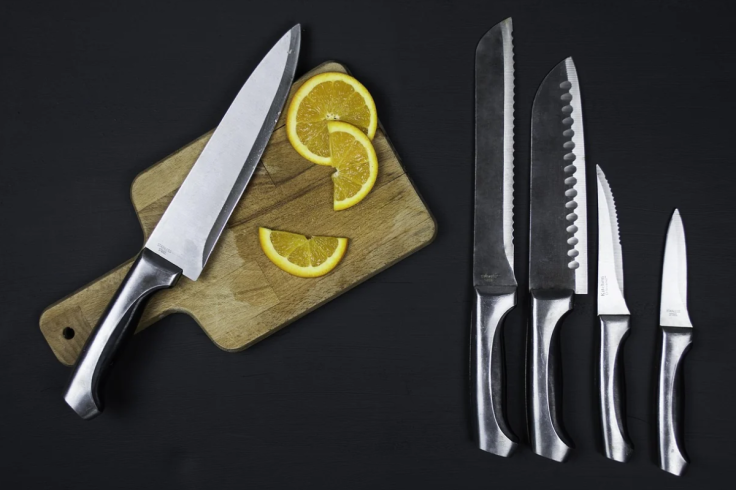
The UK government has announced plans to introduce what it describes as the world's first licensing scheme covering businesses and private individuals selling knives, in an effort to curb grey market sales and reduce knife crime. The proposal, unveiled on Wednesday by the Home Office, would require sellers of knives and bladed articles to obtain a licence, while overseas retailers would also be brought under new rules through UK-based intermediaries.
The proposal follows a public consultation launched in December 2025 after the Southport killings and forms part of the government's wider pledge to halve knife crime within a decade. Since then, ministers have introduced tougher age verification requirements for online knife sales and rules requiring retailers to report bulk purchases of six or more knives.
Knife Licensing Scheme Targets Rogue Sellers
Unlike existing licensing systems that focus on particular weapons, the proposed UK scheme would cover a much wider range of knives and bladed articles. Scotland already operates a licensing scheme for businesses selling non-domestic knives, but the new proposals would extend licensing to private sellers and a broader range of products across England and Wales.
The Home Office said the measures are aimed at unregulated and grey market sellers that continue to supply dangerous knives to children and criminals. Overseas businesses wishing to sell knives into Britain would also have to appoint a UK-based intermediary responsible for ensuring compliance with domestic law. Police would have the power to revoke licences from sellers who breach the rules, making it more difficult for rogue operators to continue trading.
Knife Sellers Face Greater Accountability
Policing Minister Sarah Jones said businesses profiting from knife sales would bear the responsibility for ensuring they are sold safely and lawfully.
'If you make money selling knives, you should be responsible for making sure they are sold safely and lawfully,' Jones said. She added that the licensing system would help improve standards, hold retailers accountable and make it harder for dangerous weapons to reach children and criminals.
The announcement received backing from campaigners whose families have been affected by knife crime.
Leanne Lucas, who survived the Southport attack in which Bebe King, Elsie Dot Stancombe and Alice Da Silva Aguiar were killed, said preventing easy access to knives must become as important as responding to knife violence after it has happened.
Meanwhile, Pooja Kanda, whose son Ronan was fatally stabbed with a ninja sword bought online, described the proposed legislation as 'an important step' towards preventing similar tragedies. She said sellers must take responsibility for where dangerous weapons end up.
The government is still considering limited exemptions following consultation responses, including for heritage collections, traditional crafts and certain trades. It is also examining whether some rounded-tip cutlery knives should be exempt from age restrictions while maintaining the wider licensing framework.
However, the proposals have faced opposition from some businesses, collectors and heritage groups. In the consultation, 79% of small and medium-sized businesses and manufacturers who responded opposed licensing for business sellers, while 76% of collectors and hobbyists who responded online were against it.
Police and local authorities, by contrast, were overwhelmingly in favour. Respondents also raised concerns about administrative costs and the impact on legitimate sellers. The Home Office said it would work with police, Border Force, Trading Standards and local authorities to ensure the scheme was practical and proportionate.
Official figures show police recorded 48,615 offences involving a knife or sharp instrument in the year ending June 2026. That represents a 6% fall compared with the previous year but remains 49% higher than levels recorded a decade earlier, underlining why ministers argue further action is needed.
© Copyright IBTimes 2026. All rights reserved.