Henry Nowak Case: Why Police Handcuffed a Dying Teen and the Questions It Raises
Bodycam footage showing police handcuffing fatally injured teenager Henry Nowak has sparked outrage and raised questions about police training and decision-making.
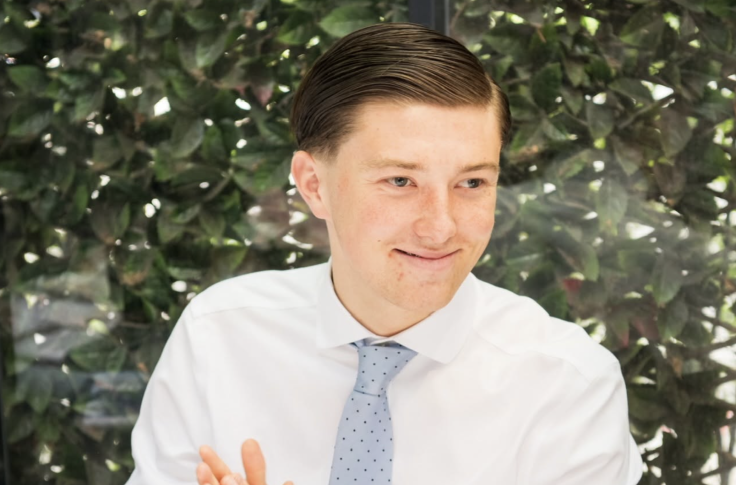
The death of Henry Nowak has horrified Britain, but for many people, the most disturbing part of the story came after the fatal stabbing itself.
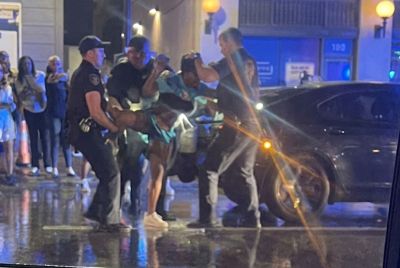
Body-worn camera footage released following the murder trial showed the 18-year-old lying critically injured on a Southampton street, handcuffed by police officers who believed they were dealing with a suspect rather than a victim. Moments later, Nowak could be heard repeatedly saying, 'I can't breathe.'
The footage has sparked outrage, calls for accountability and difficult questions about police training. How could a teenager suffering catastrophic injuries be treated as the aggressor? What do officers learn about identifying victims at violent crime scenes? And under what circumstances can police lawfully handcuff someone who is seriously injured?
Those questions now sit at the centre of one of the most controversial policing incidents in recent memory.
What Happened to Henry Nowak?
Henry Nowak was stabbed to death by Vickrum Digwa, 23, in Southampton in December last year.
The court heard that the pair crossed paths on Belmont Road at around 11.30pm. Digwa was carrying a knife as well as a kirpan, a ceremonial blade carried by practising Sikhs. During the trial, Judge Mr Justice Goose rejected Digwa's claims that he had been racially abused and acted in self-defence.
Instead, the court found that Digwa deliberately stabbed Nowak four times, including a fatal wound to the chest.
Last week, Digwa was jailed for life with a minimum term of 21 years.
Yet despite the conviction, public attention has increasingly shifted towards what happened in the immediate aftermath of the attack.
According to evidence heard during the trial, Digwa's brother contacted emergency services claiming that Digwa had been the victim of a racist attack. When police officers arrived, they were responding to information that later proved to be false.
Bodycam footage showed officers handcuffing Nowak while he lay bleeding heavily on the ground. At one point, he was informed that he was being arrested on suspicion of assault.
For his family, those images were almost as painful as the loss itself.
Mark Nowak has described the treatment of his son as 'inhumane and degrading', saying the contrast between how Henry and his killer were treated was 'unbearable'.
Can Police Legally Handcuff an Injured Person?
Contrary to what some people believe, there is no rule preventing police from handcuffing an injured person.
Under UK policing guidelines, handcuffs are considered a use of force. Like any use of force, officers must be able to justify why they were necessary at that particular moment.
That justification could include concerns that someone poses a danger to others, may attempt to escape, could harm themselves, or presents a risk to officers at the scene.
The key point is that handcuffing is not supposed to be automatic.
Officers are expected to assess the circumstances in front of them and continually reassess as new information emerges. In situations involving serious injuries, medical need should also form part of that assessment.
This is precisely why the Nowak case has generated such scrutiny.
Critics argue that the visible evidence at the scene should have immediately raised doubts about who the victim was. A young man was lying on the ground with multiple stab wounds, struggling to breathe and in obvious distress. They question whether officers became too focused on the information they received before arriving and failed to reassess the situation quickly enough once they saw it for themselves.
Supporters of the officers argue that violent crime scenes are often chaotic and confusing, with incomplete information and competing accounts.
The truth of what happened will ultimately be determined by the ongoing investigation.
Why Is the Police Response Being Investigated?
The Independent Office for Police Conduct (IOPC) is currently investigating the actions of the officers involved.
Hampshire Police have defended the responding officers by pointing to the information available at the time. Temporary Deputy Chief Constable Robert France said officers had been misled by the initial emergency call and were dealing with what he described as an 'extremely complex' incident.
That explanation has done little to quiet criticism.
For many observers, the central issue is not what officers were told before arriving, but what they saw once they got there.
The footage has become a lightning rod for wider concerns about police decision-making under pressure. It has also renewed debate over how officers are trained to evaluate competing claims during violent incidents and recognise the signs of severe internal bleeding.
Donna Jones, Hampshire's Police and Crime Commissioner, has called for a review into how officers are trained to assess conflicting accounts and identify life-threatening injuries.
The Wider Debate
Nowak's death has also become part of a broader national conversation about policing, race and public confidence.
Racial tensions flared in Southampton following the killing, despite repeated pleas from Henry's family not to use his death to fuel division. Demonstrations took place in the city, with clashes leaving 11 police officers and a police dog injured. Far-right activist Tommy Robinson was among those present, while political figures across the spectrum weighed in on the case.
US Vice-President JD Vance blamed the tragedy on what he described as the 'mass invasion of migrants', while Reform UK leader Nigel Farage argued the case raised concerns about 'two-tier policing'. Both interventions drew criticism from those who felt Henry's death was being used to advance wider political arguments.
At the same time, the incident has prompted renewed scrutiny of the Police Race Action Plan, a national programme introduced in 2022 to improve trust between police forces and ethnic minority communities.
Some critics have questioned whether modern policing has become overly cautious when responding to allegations involving race, while others argue such claims ignore the long history of racial discrimination in British policing, including the failures surrounding the murder investigation of Stephen Lawrence.
Whether any of these wider issues influenced the officers involved in the Nowak case remains unknown.
What is clear is that the debate has shifted beyond Southampton and into a broader discussion about how officers process information, challenge assumptions and make critical decisions under pressure.
What Happens Next?
The criminal case against Digwa may be over, but the questions surrounding the police response are only beginning.
The IOPC investigation remains ongoing, and a future inquest is expected to examine the circumstances surrounding Nowak's death in greater detail.
IOPC director Derrick Campbell has said investigators are reviewing a significant amount of body-worn footage alongside other evidence presented during the murder trial as they work to establish the full sequence of events.
For Henry's family, the goal is not political point-scoring. It is understanding what happened and ensuring lessons are learned.
Whether those lessons lead to changes in police training, medical triage procedures or how officers assess competing accounts at violent incidents remains to be seen.
What is certain is that the image of a dying teenager being placed in handcuffs has left a lasting impression on the public conscience. The investigation will determine whether officers acted appropriately. Until then, the case continues to raise uncomfortable but important questions about policing, judgement and accountability.
© Copyright IBTimes 2026. All rights reserved.
- Recommended For You